The right microphone can make spoken-word audio sound clearer, warmer, and more professional—even in a home office or untreated room. Dynamic microphones are especially popular for podcasting because they focus on the speaker and help reduce background noise.
We compared 10 strong options across sound quality, connectivity, ease of use, price, and recording flexibility. Whether you need a straightforward USB setup or a broadcast-ready XLR microphone, this roundup highlights practical choices for different budgets and workflows.
Best 10 Dynamic Microphone for Broadcast Podcasting Picks for 2026
Studio Broadcast Standard
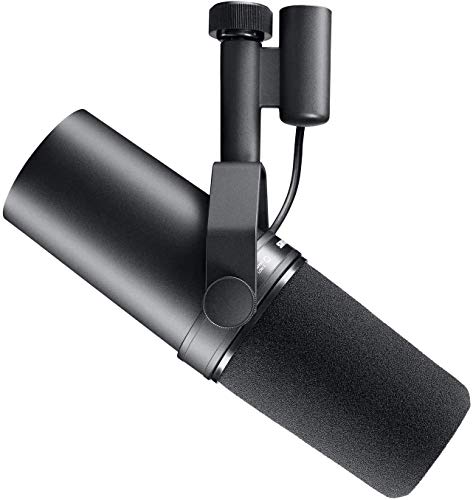
- Warm, balanced vocal sound
- Cardioid isolation and pop filtering
- Needs XLR chain with ample gain
Best For: Professional podcasting, broadcast, and voiceover setups
Podcast-Ready Value

- Speech-tuned dynamic capsule
- Internal pop and shock protection
- Requires XLR interface or mixer
Best For: XLR podcasting and RØDECaster-based setups
Focused Vocal Isolation
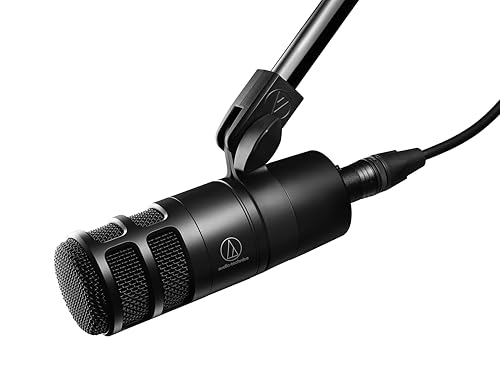
- Hypercardioid room-noise reduction
- Warm, assertive speech sound
- Integrated shock mount and windscreen
Best For: XLR podcasting in untreated or noisy rooms
Flexible Starter Setup

- USB-C and XLR connectivity
- Includes stand, windscreen, and cables
- Easy computer-based starting point
Best For: Beginner podcasters and creators needing upgrade flexibility
Broadcast-Ready Classic

- Cardioid dynamic design for focused spoken-word capture
- Rugged all-metal body with adjustable yoke mount
- XLR-only connection for interfaces and mixers
Best For: Creators seeking a durable, broadcast-inspired XLR microphone
Compact Voice Specialist

- Speech-tuned cardioid capsule for warm, clear vocals
- Includes XLR cable and three foam windscreens
- Compact all-metal body for small setups
Best For: Voice-focused podcasts, interviews, and streaming
Flexible Desktop Creator

- USB and XLR outputs support multiple recording workflows
- Zero-latency headphone monitoring in USB mode
- Includes stand, shock mount, pop filter, and cables
Best For: Home creators wanting plug-and-play USB plus upgradeable XLR connectivity
Best Hybrid Starter
FIFINE AM8 USB/XLR Dynamic Microphone

- USB plug-and-play plus XLR upgrade path
- Cardioid pickup with tap-to-mute
- Headphone monitoring and gain control
Best For: Beginner podcasters and streamers planning a future interface upgrade
Best Wireless Setup
MAONO PD200W Hybrid Podcast Microphone

- Wireless, USB, and XLR connectivity
- Supports two-mic wireless conversations
- Up to 60 hours of battery life
Best For: Mobile creators and duo podcasters needing flexible connections
Studio Broadcast Standard – Shure SM7B
The Shure SM7B is a premium dynamic microphone for broadcast podcasting when you want warm, balanced vocals and extensive control through an XLR interface or mixer. Its cardioid pickup, shielding, built-in pop filtering, and rugged metal construction suit demanding studio and streaming setups.
Best For: Podcasters, broadcasters, voiceover artists, and creators with an XLR setup and ample preamp gain.
Pros:
- Warm, natural vocal reproduction with a wide-range frequency response.
- Cardioid pickup and air suspension help reduce room interference and handling noise.
- Built-in pop filtering, electromagnetic shielding, and durable all-metal construction.
- XLR output supports detailed gain, EQ, and tone control.
Cons:
- Requires an XLR interface or mixer and at least 60 dB of recommended gain.
- Its premium, heavier design may be more than casual users need.
The SM7B is a strong long-term choice for polished close-mic vocals, provided your recording chain can supply sufficient gain.
Podcast-Ready Value – RØDE PodMic
The RØDE PodMic is a focused dynamic microphone for broadcast podcasting, with a speech-tuned capsule designed to reject room noise in untreated spaces. It uses XLR connectivity and adds internal pop protection, shock mounting, and a durable all-metal body.
Best For: Podcasters using an XLR interface, mixer, or RØDECaster who want straightforward broadcast sound.
Pros:
- Broadcast-quality dynamic capsule is tuned for spoken voice.
- Internal pop filter and shock mounting help control plosives and desk thumps.
- All-metal construction is built for regular studio use.
- Integrated swing mount is included.
Cons:
- Requires an XLR interface or mixer; it is not a USB microphone.
- The substantial metal body may require a suitably sturdy support.
The PodMic keeps the setup focused on spoken-word recording and is especially practical for creators already using an XLR podcasting system.
Focused Vocal Isolation – Audio-Technica AT2040
The Audio-Technica AT2040 is a practical dynamic microphone for broadcast podcasting when vocal isolation is a priority. Its hypercardioid pattern reduces pickup from the sides and rear, while the large diaphragm, multistage windscreen, and integrated shock mount support clean, controlled speech.
Best For: Podcasters and streamers recording in less-than-ideal rooms who want focused pickup through an XLR connection.
Pros:
- Hypercardioid pickup helps limit side and rear sound.
- Large diaphragm delivers warm, assertive broadcast-style vocals.
- Multistage foam mesh windscreen provides internal pop filtering.
- Integrated shock mount reduces stand, boom, and vibration noise.
Cons:
- Uses XLR connectivity, so an interface or mixer is required.
- Its directional pattern benefits from careful mic positioning.
The AT2040 is a sensible choice for speech-focused recording where isolation and built-in handling-noise control matter more than USB convenience.
Flexible Starter Setup – Samson Q2U
The Samson Q2U is a flexible dynamic microphone for broadcast podcasting that can connect directly to a computer over USB-C or to traditional gear through XLR. Its included desktop stand, windscreen, and cables make it a convenient starting point for recording without requiring a separate interface immediately.
Best For: New podcasters, remote creators, and users who want both computer-based USB recording and an upgrade path to XLR.
Pros:
- Offers both USB-C and XLR connectivity.
- Plugs directly into a computer with a USB-C interface.
- Includes a tripod stand, extension, mic clip, windscreen, and both cables.
- Unidirectional dynamic design suits single-speaker recording.
Cons:
- Its 50 Hz–15 kHz frequency range is narrower than some studio-oriented options.
- The included desktop setup may be less suitable for multi-mic broadcast rigs.
The Q2U is a practical all-in-one option for getting started quickly, while retaining XLR compatibility for a later equipment upgrade.
Broadcast-Ready Classic – Shure MV7X
The Shure MV7X is a focused choice for anyone seeking a dynamic microphone for broadcast podcasting with a traditional XLR workflow. Its cardioid design, integrated shock mount, and voice-isolating approach are suited to spoken-word recording in studio or creator setups.
Best For: Podcasters, streamers, and vocalists using an audio interface or mixer who want a durable, broadcast-inspired XLR microphone.
Pros:
- Cardioid dynamic pickup helps focus on the speaker and reduce room distractions.
- All-metal construction with an adjustable yoke mount supports regular use.
- XLR output allows signal control through an interface or mixer.
- Includes a 3/8-inch adapter for compatibility with many stands and boom arms.
Cons:
- XLR-only connectivity requires an audio interface, mixer, or similar hardware.
- No USB connection is listed for direct computer recording.
The MV7X makes the most sense for creators already building an XLR setup and prioritizing controlled, focused vocal capture over plug-and-play convenience.
Compact Voice Specialist – Movo CastMic
The Movo CastMic is a practical dynamic microphone for broadcast podcasting, interviews, voiceover, and streaming. Its speech-tuned cardioid capsule is designed to emphasize the person in front of the mic while helping keep room sound in the background.
Best For: Podcasters and interview creators who want a compact XLR microphone with the cable and windscreens included.
Pros:
- Voice-tuned 40Hz–16kHz response is shaped for warm, clear speech.
- Cardioid pickup can help reduce keyboard noise, fan noise, and room echo behind the microphone.
- Includes a 6.5-foot XLR cable and three foam windscreens.
- Compact all-metal body saves desk space and travels easily between setups.
Cons:
- XLR output requires an audio interface, mixer, or podcast console.
- Its listed 40Hz–16kHz response is focused on voice rather than broad-range recording.
With its compact build and useful included accessories, the CastMic is a straightforward option for voice-focused XLR recording, especially in smaller or untreated rooms.
Flexible Desktop Creator – MAONO HD300T
The MAONO HD300T is a versatile dynamic microphone for broadcast podcasting when you want both direct USB recording and conventional XLR connectivity. Its cardioid dynamic capsule, zero-latency headphone monitoring, and desktop accessories make it suitable for an adaptable home recording setup.
Best For: Podcasters and streamers who want to start with USB recording while retaining the option to connect to an interface or mixer through XLR.
Pros:
- USB/XLR dual-mode connectivity works with computers as well as interfaces and mixers.
- Built-in 3.5mm headphone output provides zero-latency monitoring in USB mode.
- Includes volume control, shock mount, pop filter, desktop stand, USB cable, and XLR cable.
- Cardioid dynamic design helps reduce unwanted background sound and room reflections.
Cons:
- The included desktop stand may be less suitable than a boom arm for larger or more complex setups.
- Its expanded feature set may be unnecessary for creators who only need a basic XLR microphone.
The HD300T is the most flexible choice of the three for creators moving between computer-based recording and more advanced audio hardware without replacing the microphone.
Best Hybrid Starter – FIFINE AM8 USB/XLR Dynamic Microphone
The FIFINE AM8 is a practical dynamic microphone for broadcast podcasting when you want simple USB recording now and an XLR upgrade path later. Its cardioid pickup, mute control, headphone monitoring, and gain adjustment suit desk-based recording and streaming.
Best For: Beginner podcasters, streamers, and creators who want USB convenience with future XLR flexibility.
Pros:
- USB and XLR connectivity supports both plug-and-play recording and interface-based setups.
- Cardioid dynamic pickup helps reject unwanted off-axis noise.
- USB mode includes tap-to-mute, headphone monitoring, volume control, and mic gain adjustment.
- Built-in 3/8-inch and 5/8-inch threads fit many microphone stands.
Cons:
- XLR cable is not included.
- RGB and function controls work only over USB.
- Recommended recording distance is relatively close, at about 2 to 6 inches.
The AM8 is a flexible choice for creators who value an easy setup but do not want to replace the microphone when moving to an audio interface. Keep the mic aimed toward the source for the clearest results.
Best Wireless Setup – MAONO PD200W Hybrid Podcast Microphone
The MAONO PD200W stands out as a dynamic microphone for broadcast podcasting when cable-free recording matters. It supports wireless, USB, and XLR connections, while its cardioid capsule, noise cancellation, and included desktop stand make it ready for varied creator setups.
Best For: Mobile creators, duo podcasters, interviews, and users who want wireless freedom alongside USB and XLR options.
Pros:
- Three connection modes cover wireless, USB, and XLR recording.
- A single receiver can connect two wireless microphones for duo podcasts, with separate tracks.
- Cardioid pickup and three-stage noise cancellation help focus on voices.
- Offers up to a 60-meter wireless range and up to 60 hours of battery life with RGB off.
Cons:
- Camera and Lightning accessories are sold separately.
- Wireless battery life is specified with RGB turned off.
- The microphone weighs about 1.32 kg, which may be substantial for portable use.
With its broad compatibility and two-mic wireless support, the PD200W is especially versatile for interviews and collaborative shows. Choose USB or XLR when you prefer a wired workflow, or use wireless mode for a cleaner desk and more flexible positioning.
Best Audio Controls – TONOR TD510 Air Dynamic Podcast Mic
The TONOR TD510 Air is a useful dynamic microphone for broadcast podcasting when you want built-in sound-shaping controls. Its USB/XLR outputs, three enhancement modes, AI noise reduction, and headphone monitoring provide practical control for desktop recording.
Best For: Content creators who want adjustable vocal profiles and a straightforward path from USB recording to XLR equipment.
Pros:
- Three modes—Bass Roll-off, Vocal Clarity, and Mid-Range Emphasis—adapt the sound to different recording needs.
- AI noise reduction helps filter background noise.
- USB and XLR outputs support both computer recording and future sound-card upgrades.
- Includes headphone monitoring, volume adjustment, tap mute, and a desktop stand.
Cons:
- XLR cable is not included.
- USB mode is listed as compatible with computers, PS4, and PS5, but not Xbox.
- Its controls and enhancement modes may require experimentation to match your voice and room.
The TD510 Air is a strong fit for creators who prefer hands-on control rather than relying entirely on editing software. Its dual outputs preserve an upgrade route, while the built-in modes and noise reduction can simplify everyday recording.
How We Picked the Best Dynamic Microphone for Broadcast Podcasting
We focused on microphones designed for spoken-word recording, podcasting, streaming, voice-over work, and broadcast-style delivery. Our comparison considered vocal clarity, off-axis noise rejection, connection options, gain requirements, monitoring features, build quality, and setup simplicity.
USB/XLR models received extra consideration for flexible home-studio use, while XLR-only microphones were evaluated for compatibility with mixers, audio interfaces, and more advanced production systems. We also included options at several price points so beginners and experienced creators can find a suitable match.
Quick Comparison
| Best For | Recommended Type | Why It Matters |
|---|---|---|
| Professional studio podcasting | Premium XLR dynamic | Detailed sound and long-term production flexibility |
| Simple computer recording | USB dynamic | Plug-and-play setup without an audio interface |
| Flexible upgrades | USB/XLR hybrid | Start simply and move to an interface later |
| Noisy rooms | Close-talk cardioid or hypercardioid | Better focus on the speaker and reduced room sound |
| Mobile or wireless recording | Wireless-capable dynamic | More freedom for remote and on-location work |
Key Buying Factors for a Dynamic Microphone for Broadcast Podcasting
Connection Type
USB microphones connect directly to a computer and are usually easiest for beginners. XLR microphones require an audio interface, mixer, or recorder but provide a more expandable setup. Hybrid USB/XLR models offer both paths and can be a sensible choice if your equipment may change.
Pickup Pattern and Room Conditions
Cardioid and hypercardioid patterns emphasize sound from the front while reducing some noise from the sides and rear. They do not eliminate room echo, so microphone placement still matters. Position the mic close to your mouth, speak toward its intended front side, and use a boom arm or stable stand.
Gain, Monitoring, and Accessories
Some broadcast-style dynamics need substantial clean gain. Check whether your interface can drive the microphone without excessive hiss, or consider an inline preamp. A headphone output, mute control, included cable, shock mount, windscreen, or desk stand can also improve everyday usability.
Build and Workflow
For frequent recording, prioritize a sturdy body, reliable controls, and a mounting system that fits your desk or boom arm. A heavier microphone may feel more secure but can require a stronger arm. Also check whether the mic’s size and connector placement work with your intended setup.
Who Should Buy Which Dynamic Microphone for Broadcast Podcasting?
Choose a premium XLR model if you want a polished broadcast sound and already use an audio interface or mixer. Choose a USB/XLR microphone if you want beginner-friendly recording today with a clear upgrade path later.
Choose a compact budget dynamic for casual podcasting, streaming, gaming, or voice chat where value and easy setup matter most. Choose a microphone with wireless capability if you record away from a desk or need greater movement during production.
For any Dynamic Microphone for Broadcast Podcasting, consistent technique matters as much as the microphone itself. Keep a close, steady speaking distance, aim the capsule correctly, and set input levels with enough headroom to avoid clipping.