Choosing among the best laptops for music production means balancing processor performance, memory, storage, portability, and reliable connectivity. A suitable system should handle your digital audio workstation, virtual instruments, plug-ins, and recording projects without becoming a bottleneck.
This roundup includes creator laptops, business-class workstations, renewed models, and budget-friendly options. Use the guide below to match each configuration to your DAW workflow, track count, and studio setup.
Best 10 Laptops for Music Production Picks for 2026
Best Flexible Windows Pick

- 8-core Ryzen 7 processor
- 32GB RAM and 1TB SSD
- US support and 2-year warranty
Best For: Windows-based producers needing ample memory and storage
Best macOS Value

- 6-core Intel Core i7
- 16-inch Retina P3 display
- Radeon Pro graphics and four USB-C ports
Best For: macOS users seeking a large display and Thunderbolt connectivity
Best Large-Screen Studio Workstation

- 32GB RAM and 2TB SSD
- 17.3-inch 400-nit IPS touchscreen
- Thunderbolt 4 plus six USB ports
Best For: Studio users needing a large display and extensive connectivity
Best Budget Large-Screen Option

- 17.3-inch anti-glare FHD display
- 512GB SSD and Windows 11 Pro
- USB-C, HDMI, Wi-Fi 6, and accessories
Best For: Beginners and students working on lighter production sessions
Best Premium Ultraportable

- Core Ultra 9 processor with up to 5.1GHz boost
- 32GB RAM and 1TB SSD
- 3.09-pound design with USB-C 4.0 and HDMI 2.1
Best For: Mobile producers needing powerful performance in a compact laptop
Best Budget Multitasker
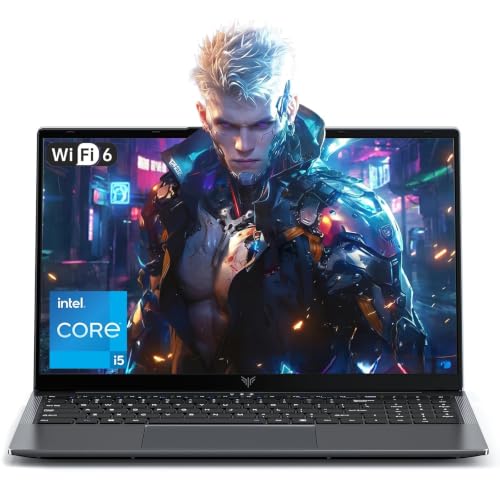
- 12-core Intel i5 processor up to 4.5GHz
- 24GB DDR5 RAM with a 512GB NVMe SSD
- Broad port selection and Wi-Fi 6 connectivity
Best For: Beginners and students building a versatile home production setup
Best Workstation Option

- 10-core Core i7 processor up to 4.8GHz
- 32GB RAM and 1TB NVMe SSD
- Dedicated RTX A500 graphics with 4GB GDDR6
Best For: Desktop-focused producers needing workstation-style multitasking
Best Value Laptop

- Six-core Ryzen 5 processor
- 16GB RAM and 512GB NVMe SSD
- 15.6-inch FHD screen with versatile ports
Best For: Home studios and beginner producers
Best Desktop Workstation

- 32GB DDR4 memory for heavy multitasking
- 512GB SSD plus 2TB HDD storage
- HDMI, DisplayPort, and 10 USB ports
Best For: Permanent home studios and media workstations
Best Premium Mobile Workstation
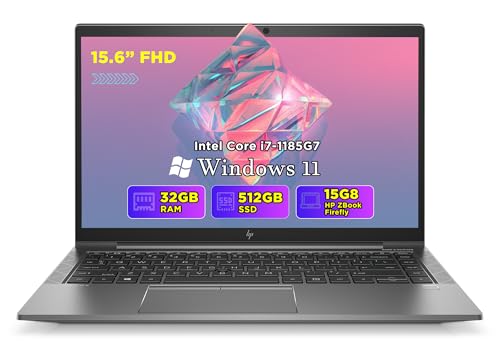
- 11th-gen Core i7 with 32GB RAM
- Thunderbolt 4 supports fast expansion
- 15.6-inch FHD display and durable design
Best For: Mobile producers and hybrid studio setups
Best Flexible Windows Pick – NIMO Ryzen 7 Creator Laptop
For shoppers comparing laptops for music production, the NIMO N158 offers a practical Windows setup with an eight-core Ryzen 7 processor, 32GB of DDR5 memory, and a 1TB SSD. Its integrated Radeon 780M graphics, backlit keyboard, and claimed 15.5-hour battery life also make it suitable for general creative and mobile work.
Best For: Windows-based producers who want generous memory, solid-state storage, and US-based warranty support.
Pros:
- Eight-core Ryzen 7 8745HS processor with speeds up to 4.9GHz.
- 32GB DDR5 RAM and a 1TB SSD provide useful headroom for projects and applications.
- Includes a backlit keyboard, fingerprint reader, HDMI, and USB-C 100W PD charging.
- US assembly and warranty support, with a listed two-year warranty.
Cons:
- Integrated graphics use shared memory rather than dedicated VRAM.
- The 15.6-inch display is limited to 1920×1080 resolution and a 60Hz refresh rate.
The NIMO is a well-rounded option for producers who prioritize RAM, storage, and Windows compatibility over a dedicated graphics card or higher-resolution screen.
Best macOS Value – Renewed 16-inch MacBook Pro
Among laptops for music production, this renewed 2019 MacBook Pro remains appealing for users who prefer macOS and a large, high-resolution display. It combines a six-core Intel Core i7, 16GB of RAM, a 512GB SSD, and an AMD Radeon Pro 5300M GPU.
Best For: macOS users who want a spacious Retina display and four Thunderbolt/USB-C ports in a renewed laptop.
Pros:
- Six-core 2.6GHz Intel Core i7 processor.
- 16-inch 3072×1920 Retina display with P3 color gamut.
- AMD Radeon Pro 5300M graphics with 4GB of GDDR6 memory.
- Four Thunderbolt/USB-C ports support compatible recording and expansion gear.
Cons:
- It is a 2019 renewed model with a listed 90-day warranty.
- 16GB RAM and 512GB storage are less generous than some newer alternatives.
- The supplied listing contains inconsistent operating-system and display specifications.
This MacBook Pro is worth considering when macOS, the Retina screen, and Thunderbolt connectivity matter more than buying the newest hardware.
Best Large-Screen Studio Workstation – HP OmniBook 7 17.3-inch
For desktop-style music production, the HP OmniBook 7 stands out with a 17.3-inch IPS touchscreen, 32GB of DDR5 RAM, and a 2TB SSD. Its Intel Ultra 7 processor, Thunderbolt 4, multiple USB ports, HDMI 2.1, and Wi-Fi 6E provide a strong connectivity foundation for a home or project studio.
Best For: Producers who want a large working canvas, substantial storage, and extensive peripheral connectivity.
Pros:
- Eight-core Intel Ultra 7 258V processor with integrated Intel Arc 140V graphics.
- 32GB DDR5 memory and a spacious 2TB SSD.
- 17.3-inch 1920×1080 IPS touchscreen rated at 400 nits and 100% sRGB.
- Includes Thunderbolt 4, two USB-C ports, three USB-A ports, and HDMI 2.1.
Cons:
- At 5.2 pounds, it is less convenient for frequent travel.
- Graphics are integrated and use shared memory.
- The supplied configuration lists a maximum of 32GB RAM, limiting future memory upgrades.
The OmniBook 7 is a compelling studio-oriented choice for buyers who value screen size, storage capacity, and ports more than minimum weight.
Best Budget Large-Screen Option – HP 17 Ryzen 5 Laptop
If you need laptops for music production on a tighter budget, this HP 17 pairs a large 17.3-inch Full HD display with an AMD Ryzen 5 7520U processor, a 512GB SSD, and Windows 11 Pro. Its anti-glare screen, numeric keypad, HDMI, USB-C, and included accessories support a straightforward home or student setup.
Best For: Beginners, students, and casual producers who want a large display and basic storage without a premium configuration.
Pros:
- 17.3-inch 1920×1080 IPS anti-glare display with a matte finish.
- 512GB SSD provides faster storage than a traditional hard drive.
- Windows 11 Pro, Wi-Fi 6, Bluetooth 5.3, USB-C, and HDMI offer practical connectivity.
- Includes a numeric keypad, privacy camera shutter, mouse, and tablet stand.
Cons:
- 8GB RAM is modest for large music projects and heavy multitasking.
- The four-core Ryzen 5 7520U is a lower-tier processor than the CPUs in the other listed laptops.
- Integrated Radeon graphics use shared memory.
This HP makes the most sense as an entry-level production laptop for lighter sessions; serious projects with many instruments or effects may benefit from more memory.
Best Premium Ultraportable – Acer Aspire 14 AI
For shoppers comparing laptops for music production, the Acer Aspire 14 AI offers a strong portable foundation: an Intel Core Ultra 9 processor, 32GB of RAM, and a 1TB SSD. Its compact design and extensive connectivity make it practical for mobile recording, editing, and everyday creative work.
Best For: Mobile producers and creators who want high-end processing, generous memory, and a compact touchscreen laptop.
Pros:
- Core Ultra 9 288V processor with boost speeds up to 5.1GHz
- 32GB DDR5 RAM and a 1TB SSD support large projects and multitasking
- Two USB-C 4.0 ports, HDMI 2.1, USB-A, and Ethernet provide flexible studio connectivity
- Light 3.09-pound design with a 14-inch 100% sRGB touchscreen
Cons:
- Integrated Intel Arc graphics may be less suitable than a dedicated GPU for demanding visual workloads
- The 14-inch display provides less workspace than a larger desktop replacement
The Aspire 14 AI is an especially capable choice when portability matters. Its memory, fast storage, and modern ports suit a compact production setup, while the touchscreen and color coverage add flexibility for creative tasks.
Best Budget Multitasker – MALLRACE 15.6-Inch Laptop
The MALLRACE laptop is a practical entry in the laptops for music production category for users building a modest home or school setup. Its 12-core Intel i5 processor, 24GB of DDR5 memory, and NVMe SSD provide a useful combination for recording software, office work, and general multitasking.
Best For: Students, beginners, and home producers who need capable specifications at a practical size and price point.
Pros:
- 12th Gen Intel i5-12600H offers 12 cores, 16 threads, and speeds up to 4.5GHz
- 24GB DDR5 RAM supports running multiple applications together
- 512GB NVMe SSD provides fast startup and room for project files
- Three USB 3.2 ports, two USB-C ports, HDMI, Wi-Fi 6, and Bluetooth 5.2 support varied peripherals
Cons:
- Integrated Intel Iris Xe graphics are intended for general use rather than demanding graphics work
- The 512GB drive may fill quickly with large sample libraries and multitrack projects
- Its 15.6-inch chassis weighs about 1.65kg, making it less compact than an ultraportable
This laptop delivers a balanced starting point for music production, especially when paired with external storage for larger libraries. The expandable dual-M.2 design and broad port selection give it useful upgrade and connectivity potential.
Best Workstation Option – Dell Precision 3570
Among laptops for music production, the renewed Dell Precision 3570 stands out as a workstation-oriented option with 32GB of DDR5 RAM, a 1TB NVMe SSD, and a 10-core Intel Core i7 processor. It is suited to users who also want dedicated graphics for broader creative and professional workloads.
Best For: Producers and creative professionals who value workstation-class multitasking, large storage, and dedicated graphics.
Pros:
- 10-core Core i7-1265U processor boosts up to 4.8GHz
- 32GB DDR5 RAM and a 1TB PCIe NVMe SSD support substantial projects and multitasking
- NVIDIA RTX A500 graphics include 4GB of dedicated GDDR6 memory
- Windows 11 Pro, Wi-Fi, and Bluetooth suit professional workflows
Cons:
- The renewed workstation weighs approximately 8 pounds, limiting portability
- Its 15.6-inch display is standard FHD and non-touch
- The product is a renewed model, so condition and included coverage should be reviewed carefully
The Precision 3570 makes the most sense as a desk-based production machine that can also handle visual applications. Its ample memory and storage are well matched to larger sessions, while the dedicated GPU adds flexibility beyond audio work.
Best Value Laptop – Lenovo V15 Ryzen 5
The Lenovo V15 is a practical entry point for shoppers comparing laptops for music production. Its six-core Ryzen 5 processor, 16GB of RAM, and 512GB NVMe SSD provide a solid foundation for recording, arranging, and running several music applications at once.
Best For: Home studios, beginners, and producers who want a capable Windows laptop with a large screen and useful connectivity.
Pros:
- Six-core, 12-thread Ryzen 5 5500U processor with boost speeds up to 4.0GHz
- 16GB of RAM supports multitasking across music software and browser tabs
- 512GB PCIe NVMe SSD offers quick boot and file-transfer performance
- 15.6-inch 1080p display, HDMI, USB-C, Ethernet, and numeric keypad
Cons:
- Integrated AMD Radeon graphics are not intended for demanding graphics workloads
- Traditional clamshell design and 3.8-pound weight may be less portable than ultralight models
For a straightforward music-production setup, the V15 balances useful memory, fast solid-state storage, and a six-core CPU without unnecessary extras. Its Windows 11 Pro operating system and broad port selection also make it easy to connect common studio peripherals.
Best Desktop Workstation – Dell Precision 3620 Studio PC
The renewed Dell Precision 3620 is a desktop alternative for shoppers seeking laptops for music production but willing to use a dedicated studio tower. With 32GB of RAM, a 512GB SSD, and a separate 2TB hard drive, it offers substantial working and archive storage for a fixed recording setup.
Best For: Permanent home studios that need plentiful memory, dual-drive storage, and many connection options.
Pros:
- 32GB of DDR4 RAM is well suited to large multitasking sessions
- Combines a 512GB SSD for booting with a 2TB HDD for project storage
- Intel Core i7-6700 reaches up to 4.0GHz turbo speed
- Offers HDMI, two DisplayPort outputs, Ethernet, and 10 USB ports
Cons:
- This is a desktop tower, so it is not portable like a laptop
- Older 2016-era hardware and integrated Intel HD Graphics 530 limit future-facing performance
- As a renewed product, it includes a listed 90-day warranty
The Precision 3620 makes the most sense when your music gear stays in one room. Its generous RAM and two-drive layout are particularly useful for projects, sample libraries, and other media files, while the extensive ports simplify studio connectivity.
Best Premium Mobile Workstation – HP ZBook Firefly 15 G8
The renewed HP ZBook Firefly 15 G8 is a strong mobile option among laptops for music production, pairing an 11th-generation Core i7 processor with 32GB of RAM and a 512GB SSD. Its Thunderbolt 4 support is useful for expanding a portable studio with fast storage, displays, and compatible accessories.
Best For: Producers who need substantial multitasking capacity, a professional chassis, and flexible connectivity for a mobile or hybrid studio.
Pros:
- Core i7-1185G7 reaches up to 4.8GHz and works with 32GB of DDR4 RAM
- 512GB SSD supports fast startup, application loading, and file access
- Thunderbolt 4 supports up to 40Gbps transfers, dual 4K displays, and charging
- 15.6-inch FHD display, HDMI, USB-A, spill resistance, and MIL-STD-810H durability
Cons:
- Integrated graphics are less suitable for demanding GPU-focused work
- 512GB may fill quickly with large sample libraries and multitrack projects
- As a renewed workstation, condition and included warranty should be checked before purchase
The ZBook Firefly stands out when portability and expansion matter as much as core performance. It provides ample RAM for complex sessions and professional connectivity, though producers with extensive libraries may eventually want external Thunderbolt storage.
How We Picked These Laptops for Music Production
We focused on the specifications that most directly affect music-production performance: processor generation and core count, RAM capacity, SSD storage, display size, portability, and workstation-oriented features. Systems with 16GB or more memory and solid-state storage generally provide a better starting point for modern DAWs, sample libraries, and plug-in-heavy sessions.
We also included a range of form factors and prices. Some choices prioritize large screens and storage, while others are easier to carry between a home studio, classroom, rehearsal space, or live setup. Because product configurations can vary by seller, confirm the exact operating system, ports, warranty, and included accessories before ordering.
Quick Comparison
| Best For | What to Prioritize |
|---|---|
| Large projects and virtual instruments | 32GB RAM, a modern multi-core CPU, and a 1TB or larger SSD |
| Portable production | 14- or 15-inch design, strong battery claims, and USB-C connectivity |
| Budget recording | At least 16GB RAM, an SSD, and a capable Ryzen 5 or Core i5 processor |
| Large sample libraries | 1TB or more internal storage, with room for external expansion |
| Fixed studio use | Workstation performance, plentiful ports, and upgrade flexibility |
Key Buying Factors for Laptops for Music Production
Processor Performance
CPU speed affects plug-in processing, software instruments, mixing, and low-latency monitoring. Favor recent multi-core Intel Core Ultra, Core i7, AMD Ryzen 7, or comparable processors when running many effects or instruments simultaneously. A strong processor can also reduce the need to freeze or bounce tracks.
RAM and Storage
Choose 16GB RAM as a practical baseline for most projects and 32GB for extensive sample libraries, orchestral templates, or demanding production workflows. An NVMe SSD improves boot times, project loading, and sample streaming. A 1TB drive is more comfortable than 512GB, but external SSD storage may still be useful for libraries and backups.
Ports, Display, and Audio Setup
Check for USB-A or USB-C ports compatible with your audio interface, MIDI controller, external drive, and other studio hardware. HDMI can help with an additional monitor. A 15- or 16-inch screen offers a useful workspace, while a 17-inch display is easier to arrange for mixing but less portable. For recording, plan on using a dedicated USB or Thunderbolt audio interface rather than the built-in headphone jack.
Thermals, Battery, and Operating System
Long sessions can expose cooling limitations, so favor reputable designs with effective ventilation. Battery life matters for mobile work, but performance often decreases away from a charger. Confirm that your preferred DAW, plug-ins, drivers, and interface are supported by Windows or macOS before purchasing.
Who Should Buy Which Laptops for Music Production?
Choose a high-memory creator laptop if you produce with numerous virtual instruments, high-resolution sample libraries, or demanding plug-in chains. Models with 32GB RAM and 1TB to 2TB SSDs provide the most comfortable headroom in this selection.
Choose a portable 14- or 15-inch laptop if you move between locations or want one computer for production, school, and general work. Look for a balance of weight, battery capacity, ports, and sustained processor performance rather than peak specifications alone.
Choose a budget model for songwriting, podcasting, beat-making, and moderate track counts. Prioritize an SSD and at least 16GB RAM; a low-memory configuration may require upgrades or more frequent track freezing.
Choose a desktop workstation when portability is unimportant and you want a stable, expandable studio computer. A desktop can offer more convenient connectivity and upgrade potential, but you will need a monitor, keyboard, mouse, and suitable audio interface.