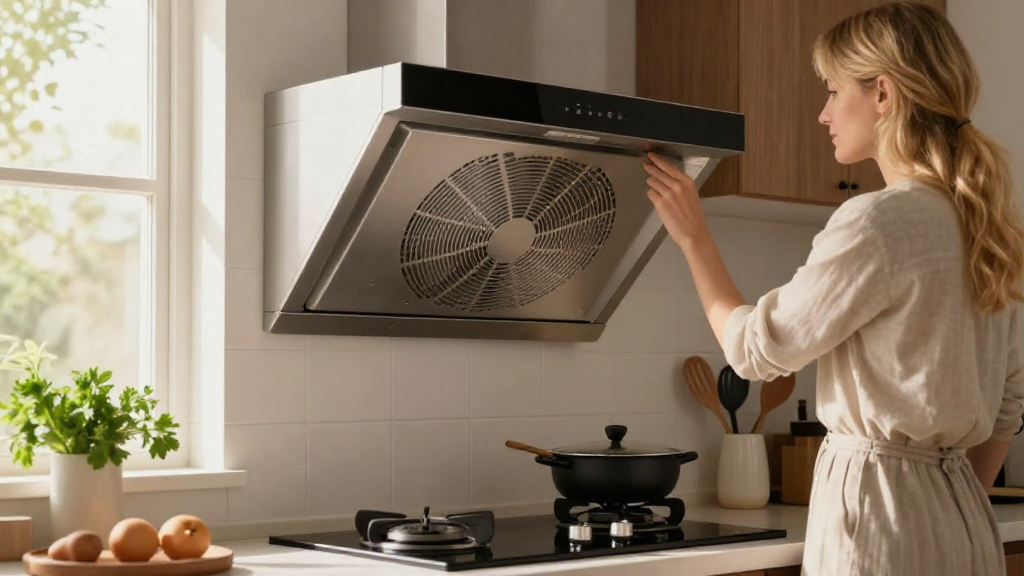
If you’ve ever been disturbed by a loud exhaust fan in your kitchen or bathroom, you’re likely searching for how to quiet a noisy exhaust fan.
In this article, we’ll explore various methods and tips to help you reduce that bothersome noise and restore peace to your home.
What Causes a Noisy Exhaust Fan?
Understanding the reasons behind your noisy exhaust fan is crucial in determining how to quiet a noisy exhaust fan effectively.
Common causes include:
- Old Age: As fans age, their motors can become less efficient and noisier.
- Loose Parts: Vibration from loose screws or fittings can create unwanted noise.
- Debris or Dust: Accumulated dirt and debris can cause the fan to work harder, leading to increased noise.
- Imbalance: A fan blade that’s bent or misaligned can create an imbalance, causing rattling and noise.
Identifying the source of the noise will help you choose the best method to quiet your exhaust fan.
How Can You Reduce Noise from Your Exhaust Fan?
Once you’ve pinpointed the cause of the noise, it’s time to explore how to quiet a noisy exhaust fan with practical solutions:
1. Tighten Loose Parts
Start with the simplest fix.
- Check screws and brackets: Tighten any loose screws or brackets that may have come undone over time.
- Inspect blades: Ensure that fan blades are secure and free of debris.
2. Clean the Fan Regularly
A build-up of dust and grease can significantly affect the performance of your exhaust fan.
Here’s how to properly clean your fan:
- Turn off the power: Always start by disconnecting or turning off the power to avoid accidents.
- Remove the fan cover: Most fan covers can be easily unscrewed or clipped off.
- Use a damp cloth: Wipe down the blades and surrounding areas with a microfiber cloth.
- Vacuum debris: Use a vacuum cleaner to remove any larger dust particles and build-up from the home surrounding the fan.
Regular cleaning not only reduces noise but also improves airflow efficiency.
3. Isolate the Fan
Sometimes, the noise can be amplified by the materials around the fan.
To improve isolation, consider:
- Using rubber grommets: Place rubber grommets around the mounting brackets to absorb vibration and reduce noise levels.
- Mounting the fan on a soft surface: If possible, use acoustic foam or other sound-deadening materials beneath the fan to help absorb sound.
4. Lubricate Moving Parts
If your exhaust fan has moving parts, it’s essential to keep them well-lubricated.
- Check the motor: Some fans have oil ports that allow you to add lubricant directly.
- Use the right type of lubricant: Choose a silicone-based lubricant suitable for motors to avoid attracting dust.
By ensuring that parts of the fan can move freely, you’ll prevent unnecessary noise during operation.
5. Replace the Fan
If your fan is old or has sustained damage, it might be time to consider a replacement.
When shopping for a new exhaust fan, look for:
- Designated quiet models: Many manufacturers produce low-noise or whisper-quiet exhaust fans.
- Energy-efficient options: Upgrading to a newer model can save energy and reduce electricity bills.
Installing a new fan can drastically reduce noise levels and improve air quality in your kitchen or bathroom.
When Should You Call a Professional?
Sometimes, the noise from your exhaust fan might indicate a more significant issue.
Consider calling a professional if:
- The noise persists: If you’ve tried all the suggested fixes for how to quiet a noisy exhaust fan and it’s still too loud.
- Electrical issues arise: If you notice flickering lights or burning smells, it could signal a dangerous electrical problem.
- The fan isn’t working efficiently: If the fan fails to remove moisture or odors, get a professional opinion.
A qualified technician will help you diagnose the problem and suggest the best solution.
Additional Tips for Maintaining a Peaceful Environment
In addition to knowing how to quiet a noisy exhaust fan, consider implementing these practices to ensure a calming atmosphere:
1. Optimize Room Layouts
- Place fans away from living areas: If possible, position your exhaust fan away from high-traffic areas to minimize perceived noise.
- Install sound-absorbing materials: Use carpets, curtains, and wall hangings to help dampen noise.
2. Use Soundproofing Techniques
For ultimate peace, especially in homes where quiet is a priority:
- Soundproofing foam: Invest in soundproofing foam panels that can absorb excessive noise.
- Weather stripping: Ensure that doors and windows are properly sealed to minimize outside noise.
These enhancements can make a noticeable difference in the overall sound conditions of your kitchen or bathroom.
Conclusion
Quieting a noisy exhaust fan might require some investigation and effort, but with the right approach, you can successfully reclaim tranquility in your kitchen and bathroom settings.
Remember to:
- Identify the cause.
- Follow the steps on how to quiet a noisy exhaust fan discussed above.
- Take preventative measures to keep your exhaust fan operating smoothly.
By maintaining your exhaust fan and considering these various approaches, your home can finally enjoy the peace and comfort you deserve.