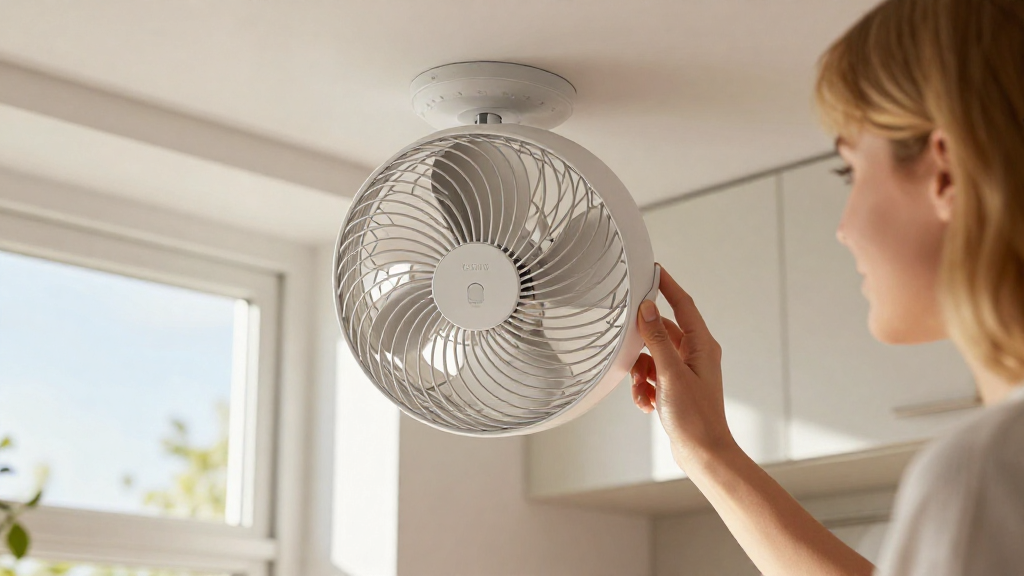
A ventilation fan is an essential appliance designed to improve air circulation in various indoor environments.
These fans play a crucial role in maintaining optimal air quality and comfort levels.
What Is a Ventilation Fan?
A ventilation fan is a mechanical device that ensures proper air movement within homes, commercial buildings, and industrial facilities.
By drawing stale air out and bringing fresh air in, these fans help reduce humidity, eliminate odors, and control temperature fluctuations.
What Are the Different Types of Ventilation Fans?
There are several types of ventilation fans, each designed for specific applications.
Here’s a brief overview of some common types:
- Exhaust Fans:
- These fans pull stale or contaminated air out of a space.
-
Ideal for bathrooms and kitchens to remove excess moisture, smoke, and odors.
-
Intake Fans:
- Designed to bring fresh air into a particular area.
-
Often used in spaces that require a consistent supply of outside air.
-
Ceiling Fans:
- While generally categorized as comfort fans, they also aid in air circulation.
-
They help maintain even temperatures by distributing air throughout a room.
-
Wall-mounted Fans:
- These are installed on walls to provide direct airflow in specific areas.
-
Commonly used in garages or shops.
-
Inline Fans:
- These fans are connected to ductwork and are used to boost air movement in ventilation systems.
- They are efficient for larger spaces with extensive duct systems.
What Is a Ventilation Fan Used For?
Ventilation fans serve multiple purposes that contribute to overall indoor air quality.
Here are some primary uses of a ventilation fan:
-
Humidity Control:
– High humidity can lead to mold and mildew growth.
– Ventilation fans help regulate moisture levels, preventing damage and health issues. -
Odor Removal:
– In kitchens and bathrooms, unwanted smells can linger.
– By providing proper exhaust, these fans effectively dissipate odors. -
Temperature Regulation:
– In warmer climates, ventilation fans help cool spaces by promoting air movement.
– They reduce the load on air conditioning systems, saving energy and costs. -
Pollutant Reduction:
– Indoor activities can produce fumes and harmful chemicals.
– A ventilation fan can effectively expel these pollutants, improving air quality. -
Comfort Enhancement:
– By circulating air, these fans create a breezy environment, enhancing overall comfort.
– This is especially beneficial in closed spaces during warmer months.
How Do Ventilation Fans Work?
Understanding how a ventilation fan operates can help determine the best type for your needs.
-
Airflow Mechanism:
– A motor drives the fan blades, creating airflow by pulling air in or pushing it out. -
Duct Systems:
– Many ventilation fans are integrated with duct systems to manage airflow more efficiently.
– They can be installed to work in tandem with HVAC systems. -
Controls:
– Most modern fans come with controls, including speed settings and timers, allowing users to customize airflow based on conditions. -
Filters:
– Some fans feature built-in filters that help capture dust and allergens, ensuring cleaner air circulation.
Where Should Ventilation Fans Be Installed?
The effectiveness of a ventilation fan largely depends on its placement.
Here are some ideal locations for installation:
- Kitchen:
-
Install an exhaust fan above the stove to eliminate smoke, steam, and odors.
-
Bathroom:
-
Place an exhaust fan to prevent moisture buildup, which can lead to mold.
-
Attics:
-
Roof-mounted ventilation fans can reduce heat accumulation, improving energy efficiency.
-
Garages:
- Wall-mounted fans help remove exhaust fumes from vehicles and improve air quality.
How to Choose the Right Ventilation Fan?
Selecting the right ventilation fan may seem overwhelming, but considering the following factors can simplify the decision:
-
Purpose:
– Identify what you need the fan for—humidity control, odor removal, or general air circulation. -
Size:
– Assess the space where the fan will be installed. A fan that is too small won’t be effective, while a fan that is too large can create unnecessary noise. -
Noise Level:
– Check the decibel rating of the fan. Some applications may require quieter fans, especially in residential areas. -
Energy Efficiency:
– Look for energy-efficient models that can help reduce utility bills. Fans with Energy Star ratings are ideal. -
Installation Type:
– Decide if you need a ceiling-mounted, wall-mounted, or ducted fan. Each type serves different needs and applications.
What Are Some Benefits of Using a Ventilation Fan?
Utilizing a ventilation fan provides numerous advantages, including:
- Improved Indoor Air Quality:
-
Regularly circulating fresh air reduces allergens, dust, and pollutants.
-
Energy Savings:
-
Efficient ventilation systems can lead to lower energy costs by reducing reliance on air conditioning.
-
Health Benefits:
-
Proper ventilation can alleviate respiratory issues caused by stagnant air and indoor pollutants.
-
Enhanced Comfort Levels:
- Maintaining a steady flow of air keeps indoor temperatures even, contributing to overall comfort.
Conclusion
In summary, understanding what a ventilation fan is and its applications is crucial for maintaining a healthy and comfortable indoor environment.
From controlling humidity levels and removing odors to improving air quality, the right fan can make a significant difference.
When deciding on a ventilation fan, consider the specific needs and layout of your space to enhance its effectiveness.
Investing in a quality ventilation fan not only promotes a healthier living or working environment but also ensures energy efficiency and comfort year-round.