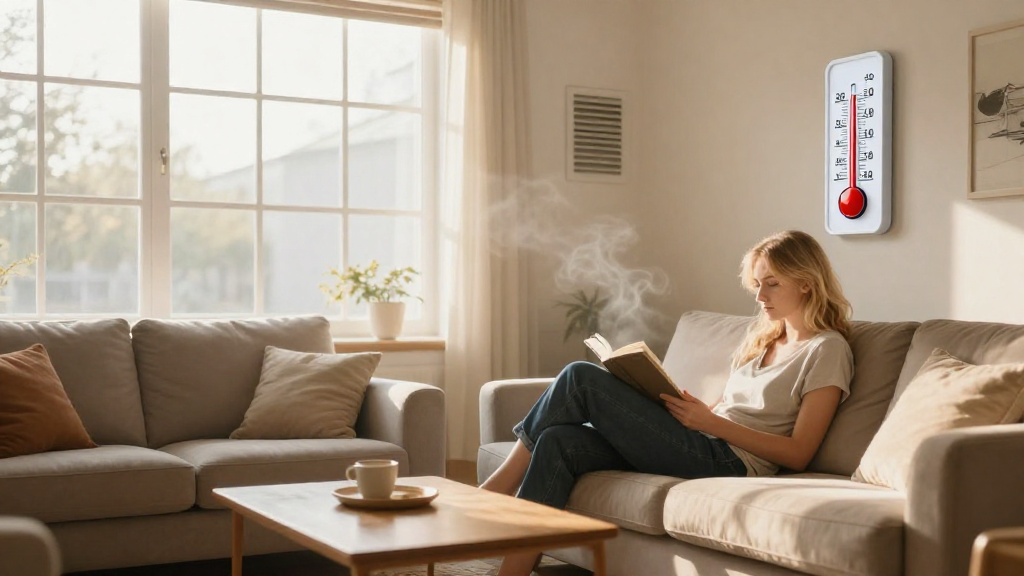
Are you frequently wondering why is one room hotter than the rest of your home?
This common issue can be frustrating, especially during summer months when comfort is paramount.
Understanding the reasons behind temperature disparities can help you achieve a more consistent and comfortable home environment.
What Are the Common Causes of Hot Rooms?
Several factors can contribute to why one room feels hotter than the rest of your home.
Here are some of the most common causes:
-
Insulation Issues
Poor or insufficient insulation in walls, ceilings, or floors can lead to temperature imbalances.
Without proper insulation, heat can escape or enter more easily, causing certain rooms to become hotter. -
Sun Exposure
Rooms that receive direct sunlight most of the day tend to be warmer.
Large windows, especially on the west or south-facing sides, can amplify this effect.
Consider using shades or curtains to block some of the sun’s heat. -
HVAC System Problems
An inefficient or improperly functioning heating, ventilation, and air conditioning (HVAC) system can also lead to temperature imbalances.
Some rooms may not receive enough airflow due to blocked vents or incorrect duct sizing.
Schedule regular HVAC maintenance to address these issues. -
Air Circulation Issues
Poor air circulation can lead to hot spots in your home.
Furniture blocking vents, or rooms being too closed off, can restrict airflow.
Ensure that all air vents are unblocked and consider using fans to aid circulation. -
Heat-Generating Appliances
Appliances and electronic devices can generate heat, making nearby rooms warmer.
Common culprits include computers, televisions, and kitchen appliances.
Try to keep these devices in well-ventilated areas or limit their use during the hottest parts of the day.
How Can I Identify Temperature Disparities?
Identifying why one room is hotter than the rest involves a little detective work.
Here are steps you can take to determine the cause:
-
Use a Thermometer
Measure the temperature in various rooms with a reliable thermometer to identify discrepancies.
This will give you a clear idea of which room is the hottest. -
Look for Sunlight
Assess which areas receive the most sunlight throughout the day.
Note the differences in temperature between sun-exposed areas and shaded areas. -
Spot Check Air Vents
Check if air vents are delivering adequate airflow in all rooms.
If some are blocked or poorly positioned, this may explain the heat imbalance. -
Assess Insulation
Inspect insulation levels in the attic, walls, and crawl spaces.
Consider whether insulation appears worn, or if there are gaps that allow heat to enter. -
Monitor Appliance Use
Take note of which appliances are frequently used in hotter rooms.
Limiting their usage or improving ventilation around them can help regulate temperatures.
What Solutions Can Help Balance the Temperature?
If you’ve identified why one room is hotter than the rest, it’s time to take action.
Consider the following strategies for balancing temperatures in your home:
-
Insulate Properly
Upgrade insulation in affected rooms to prevent heat loss or gain.
This includes walls, attics, and ducts. -
Install Ceiling Fans
Ceiling fans can circulate air and help equalize temperatures.
Ensure they are set to rotate counterclockwise in summer for a cooling breeze. -
Use Window Treatments
Consider heavy curtains, blinds, or window films that block UV rays.
This can significantly reduce the heat entering sunlit areas. -
Check HVAC Equipment
Schedule regular inspections of your HVAC system to ensure it’s functioning efficiently.
Dirty filters or malfunctioning components can limit airflow and heating/cooling capabilities. -
Improve Airflow
Rearrange furniture to avoid blocking vents and improve circulation.
You might also consider installing additional vents or ductwork if necessary. -
Implement Zoning
If hot rooms persist, consider installing zoning systems for your HVAC.
This allows for more precise control of temperatures in different areas of your home. -
Seal Drafts
Prevent warm air from entering or leaving your home by sealing any drafts.
This can be done with weather stripping or caulk around windows and doors.
When Should I Call a Professional?
If you continue to wonder why is one room hotter than the rest despite trying DIY solutions, it may be time to call in a professional.
Consider consulting with a licensed HVAC technician if:
- You have an outdated or malfunctioning heating/cooling system.
- You notice significant condensation, which could indicate moisture issues.
- The disparities are extensive—where some rooms are uncomfortably hot compared to others.
- You are unsure about how to assess your home’s insulation or airflow.
A professional can provide a comprehensive analysis and suggest long-term solutions for better temperature control in your home.
Conclusion: Achieving Balanced Comfort
Understanding and addressing why one room is hotter than the rest is essential for achieving comfort in your home.
Multiple factors contribute to temperature discrepancies, from insulation and airflow issues to sunlight exposure and appliance heat.
By identifying the causes and taking necessary actions, you can enjoy a more consistently cool and comfortable living space.
Don’t hesitate to explore both DIY methods and enlist professional help to restore balance to your home’s temperature.
The comfort and enjoyment of your living environment depend on it!