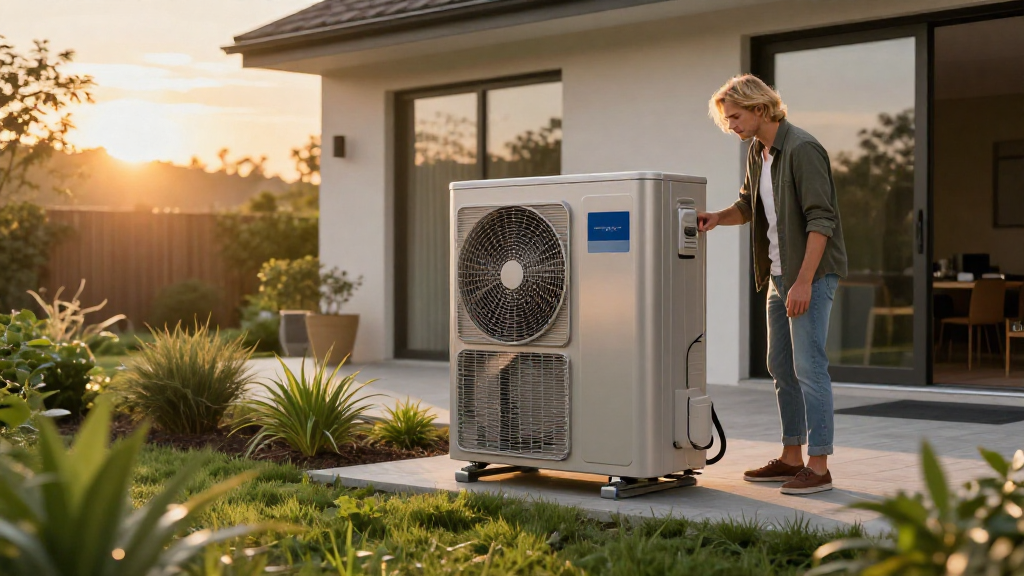
In today’s world, understanding efficient heating and cooling technologies is essential for energy conservation.
One such technology is the heat pump.
But what is a heat pump, and how does it function to regulate indoor temperatures?
In this article, we’ll explore the ins and outs of heat pumps, their operation, benefits, and common types.
What Is a Heat Pump?
A heat pump is a versatile device that can either heat or cool a home.
It transfers thermal energy from one location to another, using a small amount of electricity to facilitate the process.
Heat pumps are designed to move heat, rather than generating heat themselves as traditional heating systems do.
They can be an energy-efficient alternative for heating and cooling, making them a popular choice for many homeowners.
How Does a Heat Pump Work?
Understanding how a heat pump works can clarify its efficiency.
Heat pumps operate on the principle of heat transfer, which involves the following key components:
- Evaporator Coil
- Compressor
- Condenser Coil
- Expansion Valve
1. What Happens in the Evaporator Coil?
The evaporator coil is the heart of the heat pump’s operation.
In warmer months, the heat pump absorbs heat from the inside of your home through the evaporator coil.
This coil contains a refrigerant, which is a fluid with a low boiling point that evaporates quickly.
As the refrigerant absorbs heat, it transforms from a liquid into a gas.
2. How Does the Compressor Function?
Once the refrigerant is in gas form, it is transported to the compressor.
The compressor plays a crucial role by increasing the pressure and temperature of the gaseous refrigerant.
This allows the refrigerant to release the absorbed heat when it reaches the next stage.
3. What Happens in the Condenser Coil?
The condenser coil is where the heated refrigerant releases heat into the space.
As it does so, the refrigerant changes from gas back to liquid, cooling down in the process.
During winter, this process moves heat from outside air or the ground into your home, raising indoor temperatures.
4. What Role Does the Expansion Valve Play?
Finally, the refrigerant flows through the expansion valve before returning to the evaporator coil.
This valve reduces the pressure of the refrigerant, causing it to cool further.
By returning to the evaporator coil, the cycle begins anew, continuing the process of heating or cooling indoor spaces.
What Types of Heat Pumps Are There?
Heat pumps come in several different types to suit various applications.
Here are the main categories:
1. Air Source Heat Pumps
Air source heat pumps are the most common type.
They extract heat from the air outside and transfer it indoors, working efficiently in moderate climates.
However, their performance may decline when the outside temperature drops significantly.
2. Ground Source Heat Pumps
Also known as geothermal heat pumps, these units use the earth’s stable underground temperature for heating and cooling.
They tend to be more energy-efficient than air source models due to the consistent temperature underground.
3. Water Source Heat Pumps
Water source heat pumps utilize bodies of water such as lakes or rivers for heat exchange.
This type is more specialized and is typically used in areas with suitable water sources.
4. Hybrid Heat Pumps
Hybrid heat pumps combine conventional heating systems, such as furnaces, with heat pump technology.
They switch between the two systems based on efficiency and temperature needs, providing cost-effective and consistent climate control.
What Are the Benefits of Using a Heat Pump?
Now that we understand what a heat pump is and how it works, let’s consider its benefits:
- Energy Efficiency:
Heat pumps can greatly reduce energy consumption when compared to traditional heating and cooling systems.
Their ability to transfer heat rather than generate it means significantly lower energy bills.
- Environmental Impact:
By reducing the reliance on fossil fuels, heat pumps lower greenhouse gas emissions.
This is especially true for systems powered by renewable energy sources.
- Versatility:
Heat pumps serve dual functions as both heating and cooling systems.
This versatility eliminates the need for separate systems, simplifying installation and maintenance.
- Long Lifespan:
With proper maintenance, heat pumps typically last over 15 years, outlasting traditional heating systems.
- Low Noise Levels:
Heat pumps operate more quietly than furnaces, creating a more pleasant indoor environment.
How Much Does a Heat Pump Cost?
The cost of a heat pump can vary widely depending on several factors.
These include:
-
Type of Heat Pump: Air source pumps are generally cheaper than ground source systems.
-
Installation Complexity: The complexity of installation can increase costs. Ground source systems, for example, require excavation.
-
Energy Efficiency Ratings: Higher efficiency models may have a higher price tag, but they save money in the long run through reduced energy bills.
The typical price range for a heat pump can span from $3,500 to over $10,000, including installation costs.
Are There Any Drawbacks?
While heat pumps come with numerous benefits, they also have some drawbacks:
- High Initial Costs:
The upfront cost can be a barrier, particularly for ground source heat pumps.
- Temperature Limitations:
While heat pumps work efficiently in moderate climates, performance can decline in extreme cold, requiring supplementary heating.
- Installation Requirements:
Proper installation is crucial for optimal efficiency and performance.
Poorly installed systems can lead to higher energy costs and shorter lifespans.
Conclusion: Is a Heat Pump Right for You?
In this article, we explored what is a heat pump and its components, operation, benefits, types, costs, and potential drawbacks.
Heat pumps are an excellent option for families looking to reduce energy costs while minimizing their carbon footprints.
However, it’s important to evaluate your local climate, energy needs, and budget.
By weighing the pros and cons, you can make an informed decision whether a heat pump is the right choice for your home.
If you’re considering HVAC options, consulting with a professional can help you understand the specifics of installation and efficiency in your area.