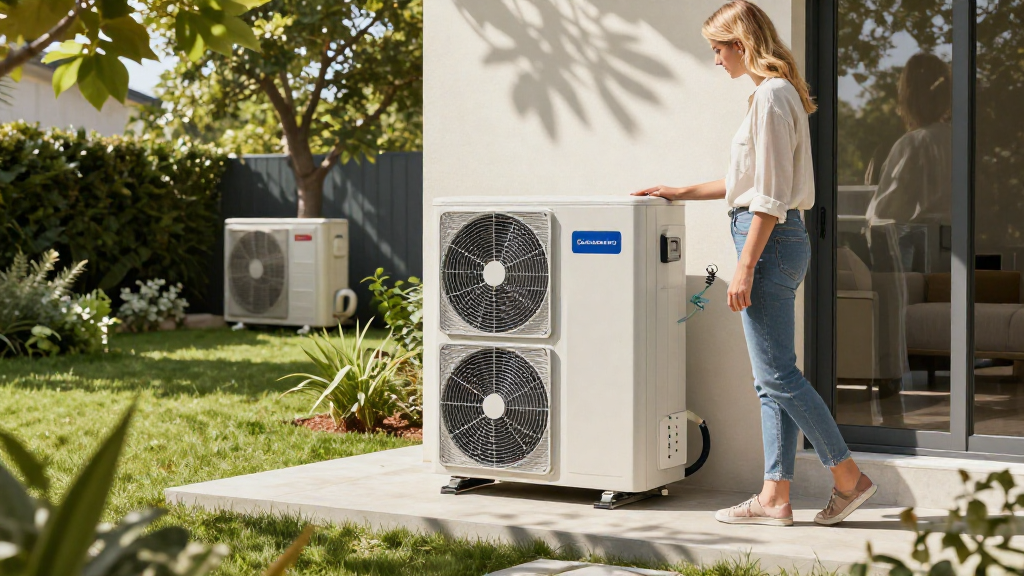
Are heat pumps efficient?
When it comes to heating and cooling your home, efficiency is a key consideration.
In recent years, heat pumps have gained popularity as an alternative to traditional HVAC systems, boasting impressive efficiency ratings and eco-friendly features. This article will explore whether heat pumps are more efficient than traditional HVAC systems, the benefits of using heat pumps, potential drawbacks, and factors to consider when choosing a heating and cooling solution for your home.
What Are Heat Pumps?
Heat pumps are versatile systems that can both heat and cool your home. They work by transferring heat from one place to another.
During the winter, heat pumps extract heat from the outside air and bring it inside.
In the summer, they reverse the process, removing heat from indoors and releasing it outside.
Some popular types of heat pumps include:
- Air-source heat pumps: Transfer heat between your home and the outside air.
- Ground-source or geothermal heat pumps: Utilize the stable temperature of the earth for heating and cooling.
- Water-source heat pumps: Extract heat from bodies of water, like lakes or wells.
Why Are Heat Pumps Efficient?
The question “are heat pumps efficient?” can be answered by looking into several key factors.
-
Energy Usage:
Heat pumps are known for their minimal energy consumption. In fact, they can produce up to three times more energy than they consume. This high efficiency can help significantly lower your utility bills. -
Environmental Impact:
Unlike traditional HVAC systems that rely on fossil fuels, heat pumps run on electricity, making them a more environmentally friendly option. -
Heating and Cooling Versatility:
Heat pumps can perform both heating and cooling functions efficiently, eliminating the need for two separate systems. -
Lower Carbon Footprint:
By reducing reliance on non-renewable energy sources and significantly lowering energy costs, heat pumps lead to a decreased carbon footprint.
How Do Heat Pumps Compare to Traditional HVAC Systems?
Now that we’ve established a foundational understanding of heat pumps, we can directly compare them to traditional HVAC systems.
This comparison will help answer the question: Are heat pumps efficient?
What Are Traditional HVAC Systems?
Traditional HVAC systems typically include:
- Furnaces: Burn fuel (natural gas, oil, or propane) to create heat.
- Air conditioners: Use refrigerants to extract heat from the indoor air.
Are Heat Pumps More Efficient Than Furnaces?
When it comes to heating efficiency, heat pumps can outperform traditional furnaces under certain conditions.
-
Energy Efficiency Ratings:
Heat pumps often have higher Seasonal Energy Efficiency Ratio (SEER) and Heating Seasonal Performance Factor (HSPF) ratings compared to furnaces. -
Heat Transfer vs. Heat Generation:
Heat pumps transfer existing heat rather than generating it from fuel, leading to higher overall efficiency.
However, their efficiency may decrease in extremely cold climates, where traditional furnaces can continue to provide consistent heating.
How Do Heat Pumps Compare to Air Conditioners?
In cooling mode, air-source heat pumps typically have higher SEER ratings than standard air conditioning units, offering more efficient cooling solutions.
This means they use less energy to cool your home effectively.
It reinforces the argument that heat pumps are efficient methods for climate control.
What Are the Potential Drawbacks of Heat Pumps?
While there are many advantages to using heat pumps, it’s essential to consider some potential drawbacks:
-
Higher Initial Cost:
Initial installation costs for heat pumps can be higher than traditional HVAC systems. However, energy savings often compensate for this expense over time. -
Performance in Extreme Cold:
Air-source heat pumps can struggle to produce sufficient heat in extremely cold temperatures. In such climates, a supplemental heating source may be necessary. -
Noise Considerations:
Some heat pumps can be noisier than traditional HVAC units, especially older models. Choose a unit with a reputation for quieter operation to mitigate this concern.
What Factors Should You Consider When Choosing Between Heat Pumps and Traditional HVAC Systems?
When considering whether to install a heat pump or a traditional HVAC system, take the following factors into account:
1. Climate
The efficiency of heat pumps is highly dependent on your local climate. If you live in a moderate climate with mild winters and summers, heat pumps can operate very efficiently. However, in areas with extreme cold or heat, traditional systems may provide more reliable performance.
2. Energy Costs
Research your local utility rates. Heat pumps tend to be more efficient but may not be cost-effective in regions where electricity prices are high compared to natural gas or fuel oil.
3. Home Size and Insulation
The size of your home and the quality of its insulation greatly influence heating and cooling efficiency. Ensure your home is well-insulated to maximize the benefits of any HVAC system you choose.
4. Environmental Concerns
If you’re environmentally conscious, heat pumps stand out as a cleaner option, reducing reliance on fossil fuels. They contribute to a more sustainable future by lowering your carbon footprint.
5. Budget
While the upfront cost of heat pumps may be higher, consider long-term savings on your utility bills, maintenance costs, and potential rebates or tax incentives for energy-efficient options.
Conclusion: Are Heat Pumps Efficient for Your Home?
In summary, the question “are heat pumps efficient?” can be answered with a resounding yes for many households.
They offer significant energy savings, lower environmental impact, and versatile heating and cooling capabilities. However, it’s crucial to weigh your local climate, energy costs, and specific home requirements before making a decision.
Ultimately, investing in a heat pump may provide you with an efficient, modern, and sustainable solution for all your heating and cooling needs.
Consider consulting with a professional HVAC contractor to assess your options thoroughly and make the best choice for your home.