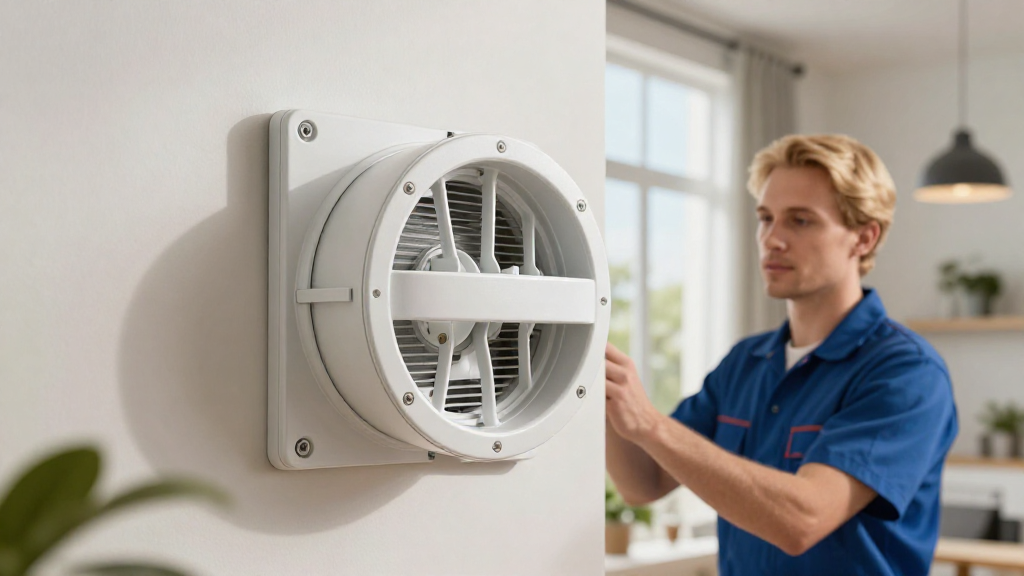
Are you wondering, do HVAC dampers save energy? The answer lies in understanding how these components function within your heating, ventilation, and air conditioning (HVAC) system and what role they play in energy efficiency.
What Are HVAC Dampers and How Do They Work?
HVAC dampers are crucial parts of an HVAC system, designed to control airflow.
They act like valves, allowing for the regulation of air distribution throughout your home or building.
Here’s a brief look at how they operate:
-
Types of Dampers: There are several types of dampers, the most common being manual, motorized, and zone dampers.
-
Functionality: Dampers can be adjusted to control the flow of air to specific areas, helping manage heating and cooling more effectively.
-
Zoning Systems: In zoning systems, dampers can open or close based on the temperature settings in different areas.
By managing airflow, these dampers help enhance comfort levels while also potentially reducing energy consumption.
Do HVAC Dampers Save Energy?
The short answer is yes!
When properly installed and maintained, HVAC dampers can significantly contribute to energy savings in various ways.
Here’s how they work:
-
Balanced Air Distribution:
– Dampers help in balancing air distribution within the home.
– This balance minimizes the workload on your HVAC system. -
Reduced Overheating and Freezing:
– By controlling airflows to specific areas, dampers prevent overheating or free cooling in rooms that do not need it.
– This process ensures that your HVAC system does not have to work harder than necessary. -
Energy-efficient Design:
– Many modern HVAC systems come equipped with intelligent dampers that are integrated with smart thermostats.
– This design allows for automated adjustments according to changing temperature needs throughout the day.
How Much Energy Can You Save with Dampers?
The amount of energy savings derived from using dampers can vary greatly based on several factors, including:
-
System Efficiency: A well-designed and correctly sized HVAC system will see more significant energy savings from damper use.
-
Installation Quality: Proper installation by a qualified technician ensures that the dampers operate effectively.
-
Home Design: Homes with multiple levels or zones can benefit the most, since dampers can optimize airflow to each area.
On average, homeowners might save 15-30% on their energy bills by utilizing dampers effectively within their HVAC system.
Are There Different Types of Dampers for Different Needs?
Yes, there are several types of dampers tailored to meet various needs and applications.
Here’s a breakdown of common types of dampers:
-
Manual Dampers:
– These require physical adjustment to control airflow.
– Ideal for systems where changes are infrequent. -
Motorized Dampers:
– These dampers operate automatically based on temperature sensors or programmable thermostats.
– They are more efficient for regular use. -
Zone Dampers:
– These dampers are used in zoned HVAC systems, allowing for customized temperature control in different parts of the home.
– They optimize energy usage by heating and cooling only occupied zones. -
Outside Air Dampers:
– Used for bringing in fresh air while controlling the volume, contributing to energy efficiency by minimizing heating or cooling needs.
Choosing the right type of damper for your HVAC system can maximize energy savings.
What Are the Benefits of Using HVAC Dampers?
Utilizing HVAC dampers brings several benefits beyond just energy savings:
- Increased Comfort:
-
By controlling airflow, dampers prevent hot or cold spots in different areas of your home.
-
Extended Equipment Life:
-
By preventing overworked HVAC systems, dampers can help prolong the life of your equipment.
-
Improved Indoor Air Quality:
-
Dampers help maintain consistent airflow, reducing chances for stale air to build up in different chambers of your home.
-
Cost Savings:
- As previously mentioned, reducing energy consumption directly translates to lower utility bills.
Can You Install HVAC Dampers Yourself?
While some homeowners may attempt to install HVAC dampers on their own, it’s generally recommended to hire a professional.
Here are a few reasons why:
- Correct Sizing:
-
A professional can determine the correct size and type of damper your system needs.
-
Proper Installation:
-
Ensures that dampers work effectively within the entire HVAC system.
-
Maintenance Tips:
- Professionals can provide valuable advice on how to maintain dampers for optimal performance.
How to Maintain HVAC Dampers for Maximum Savings?
To ensure your dampers are functioning properly and contributing to energy savings, consider these maintenance steps:
-
Regular Inspection:
– Check dampers for proper operation at least twice a year. -
Cleaning:
– Dust and debris can affect the performance of dampers, so clean them regularly. -
Monitor System Performance:
– Pay attention to changes in temperature in different areas, which might indicate an issue with the dampers. -
Professional Check-Ups:
– Schedule regular maintenance with a certified HVAC technician to ensure your entire system, including dampers, is functioning efficiently.
Conclusion: Do HVAC Dampers Save Energy?
In summary, do HVAC dampers save energy?
Absolutely!
By effectively controlling the airflow in your home, dampers can optimize your HVAC system’s efficiency, balance temperatures, and ultimately lead to significant energy savings.
Investing in the right type of damper and ensuring proper installation and maintenance can not only improve comfort and indoor air quality but can also reduce your energy bills.
If you want to maximize your home’s energy efficiency, consider integrating HVAC dampers into your system for impressive benefits.