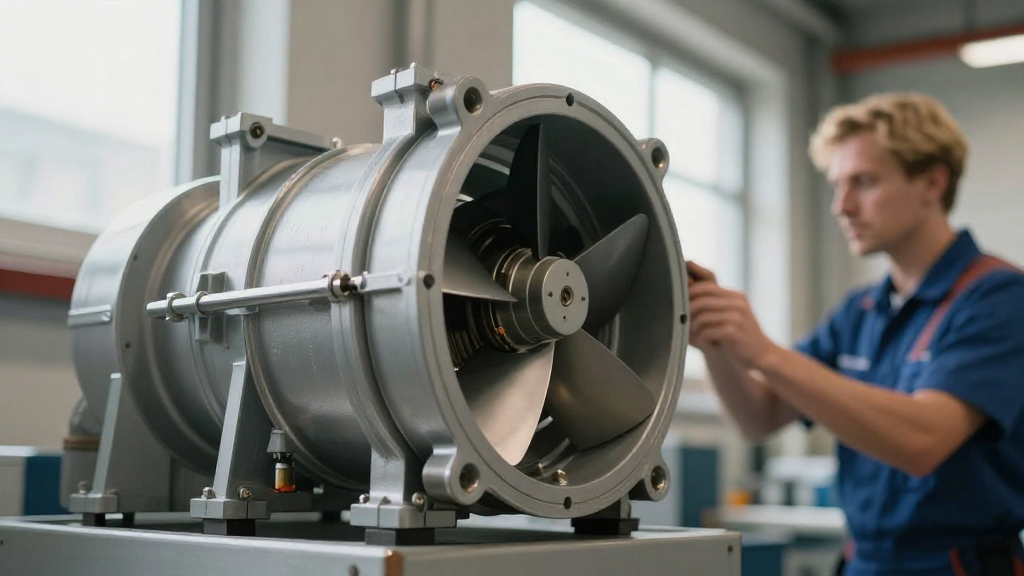
If you’ve ever wondered what is an HVAC damper, you’re not alone. Understanding this essential component of your heating, ventilation, and air conditioning (HVAC) system can help you maintain a comfortable indoor environment while optimizing energy efficiency.
What Is an HVAC Damper?
An HVAC damper is a mechanical device installed in air ducts.
It controls the airflow within the duct system.
By either partially or fully closing the ducts, it can help regulate the temperature and distribution of air throughout various rooms in your home or business.
How Does an HVAC Damper Work?
To understand the functionality of an HVAC damper, let’s break it down:
- Types of Dampers:
- Manual Dampers: These are manually operated by a lever or handle.
-
Motorized Dampers: These are automatically controlled by your HVAC system and can be adjusted based on temperature sensors.
-
Operation Mechanism:
- When the damper is opened, air flows freely through the duct.
- Closing the damper reduces or stops airflow to that specific part of the duct system.
This process allows for optimized heating or cooling, enhancing comfort and efficiency.
Why Are Dampers Important in HVAC Systems?
Understanding what is an HVAC damper leads to recognizing its importance. Dampers play several critical roles, including:
-
Temperature Control: They help in maintaining the desired temperature in different areas.
-
Energy Efficiency: By directing air to specific zones, dampers can reduce energy consumption, leading to lower utility bills.
-
Air Quality: Proper airflow regulation helps in managing humidity levels and air quality, reducing the chances of mold and mildew formation.
-
Zoning: In homes with varying heating or cooling needs across different rooms, dampers facilitate more precise zoning control.
-
Noise Reduction: By controlling airflow, dampers can also minimize noise produced by the HVAC system.
What Are the Different Types of HVAC Dampers?
If you’re curious about the options available, here’s a quick rundown of the types of HVAC dampers:
-
Balancing Dampers: Used primarily for airflow balancing in duct systems.
-
Fire Dampers: These are safety devices that close automatically in case of fire to prevent the spread of flames and smoke.
-
Smoke Dampers: Similar to fire dampers, but specifically designed to control smoke flow in air-handling systems.
-
Backdraft Dampers: These prevent outside air from entering the duct system when the HVAC system is not operating.
-
Motorized Dampers: Controlled through your HVAC system, ideally used in energy-efficient setups requiring automatic adjustments.
How to Check if Your HVAC Damper Is Working Properly?
Knowing what is an HVAC damper isn’t enough. You should also be aware of how to check its functionality. Here are steps to ensure your dampers are working properly:
-
Visual Inspection: Check to see if the damper blades are opening and closing smoothly.
-
Listen: Unusual noises can indicate obstruction or mechanical failure.
-
Temperature Test: Use a thermometer to monitor air temperature in various rooms. Significant discrepancies may indicate a damper issue.
-
Airflow Check: Place your hand near the vent to feel for airflow. Insufficient air may signal that a damper is closed or malfunctioning.
-
Consult a Professional: If you’re unsure, hiring an HVAC technician can help diagnose issues accurately.
How Do HVAC Dampers Affect Energy Efficiency?
One of the main reasons for understanding what is an HVAC damper is its impact on energy efficiency. Here are some insights:
-
Air Distribution: Properly installed dampers ensure that heated or cooled air reaches different areas of your home efficiently.
-
Reduced Load: When dampers are used in zoning systems, your HVAC system doesn’t have to work as hard to maintain temperature, reducing wear and tear.
-
Cost Savings: More efficient airflow leads to lower energy bills, allowing you to save significantly over time.
What Maintenance Do HVAC Dampers Require?
Regular maintenance ensures that your HVAC dampers function effectively. Here are key maintenance steps:
-
Clean the Dampers: Dust and debris can obstruct damper blades. Cleaning them regularly will ensure smoother operation.
-
Inspect for Rust: Check for any rust or corrosion, especially in older systems, as this can affect performance.
-
Test Motorized Dampers: If your system utilizes motorized dampers, regularly test their functionality to ensure electronic components are working.
-
Professional Inspections: Annual HVAC system check-ups by a qualified technician can identify potential issues before they escalate.
Common Questions About HVAC Dampers
Do all HVAC systems use dampers?
Not all systems will have them, but most residential HVAC systems do benefit from dampers.
Can I install dampers myself?
While some basic dampers, like manual ones, can be installed with general tools, it’s best to consult a professional for motorized systems.
How often should I have my dampers checked?
An annual inspection during regular HVAC maintenance is ideal for ensuring optimal performance.
Conclusion
In summary, understanding what is an HVAC damper is crucial for every homeowner.
Dampers play a vital role in controlling airflow, improving energy efficiency, balancing temperatures, and ensuring air quality.
By regularly checking and maintaining your dampers, you can enjoy a more comfortable and cost-effective living environment.
So take the time to consider how these essential components affect your HVAC system and reach out to a professional if you need assistance!