Winter can be a delightful season, but it comes with the challenge of keeping your home warm.
If you’ve found yourself wondering how to increase heat in one room, you’re not alone.
Many homeowners face this dilemma, especially in large spaces or drafty environments.
Let’s explore effective methods to boost the temperature in a specific room without heating the entire house.
Why Does One Room Feel Colder?
Understanding why a particular room feels chilly is the first step in effectively addressing the problem.
Several factors can contribute to a room being colder:
- Poor Insulation: If the walls, windows, or doors are not well-insulated, heat escapes.
- Drafts: Gaps around windows and doors can allow cold air to enter.
- Location: Rooms positioned away from heating sources or facing north may retain less heat.
- Size and Layout: Larger spaces require more heat compared to smaller or more compact rooms.
Now that we understand the problem, let’s move on to effective solutions.
How Can You Increase Heat in One Room?
Knowing how to increase heat in one room involves several practical strategies that can be implemented easily. Here are some tips to consider:
1. Seal Any Drafts
Drafts can significantly impact the warmth of a room.
To seal drafts:
- Use Weather Stripping: Apply self-adhesive weather stripping around windows and doors.
- Add Door Sweeps: Install a door sweep on the bottom of external doors to block cold air.
- Use Draft Stoppers: These can be placed at the base of doors or windows to provide an additional barrier against cold air.
2. Optimize Your Heating System
Your current heating system can also play a role in how to increase heat in one room.
To optimize it:
- Adjust Vents: Close vents in rooms that you aren’t using and direct more heat to the desired room.
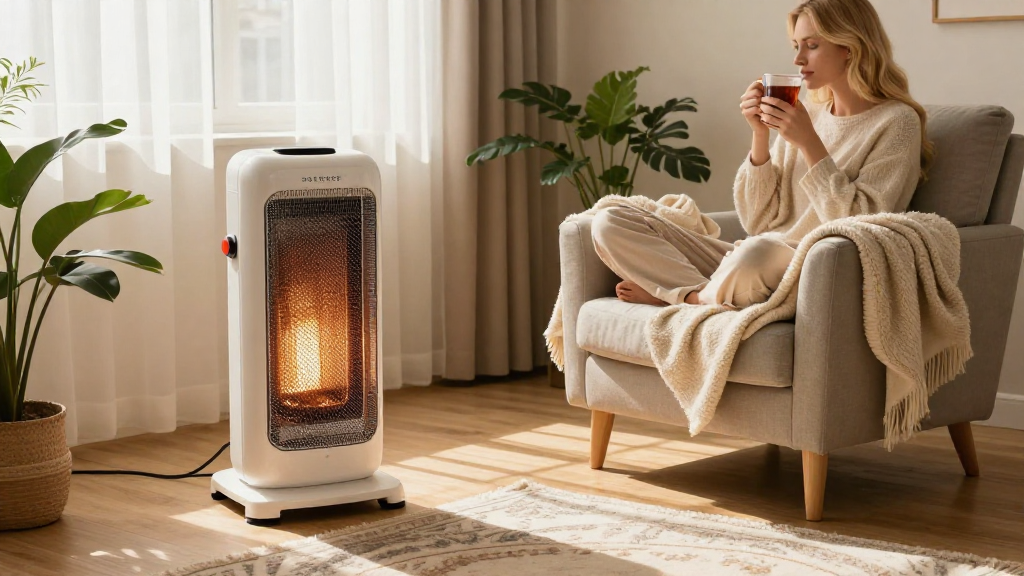
- Use a Space Heater: A portable electric heater can provide localized heating without impacting the rest of the house.
- Programmable Thermostats: Invest in a thermostat that allows you to set specific temperatures for different rooms.
3. Enhance Insulation
Improving insulation is a more permanent fix, but it’s an essential aspect of conserving heat.
Consider these enhancements:
- Insulated Curtains: Heavy, thermal-lined drapes can help reduce heat loss through windows.
- Foam Board Insulation: Adding foam board insulation to walls can significantly improve a room’s ability to retain heat.
- Rug or Carpet: Covering cold floors can also help keep the space warmer.
4. Use Heat Reflective Techniques
Utilizing heat reflective materials can also help increase heat in one room.
Here are some strategies:
- Reflective Foil Behind Radiators: This can reflect more heat into the room instead of allowing it to escape through the walls.
- Mirrors: Strategically placing mirrors can reflect light and heat into the room.
- Light Wall Colors: Painting walls a lighter color can help reflect heat throughout the room.
5. Utilize Thermal Mass
Thermal mass refers to materials that can absorb and store heat.
To utilize this concept:
- Install Stone or Concrete Fixtures: If possible, incorporating stone or concrete features can help retain heat.
- Use Heat-Absorbing Furniture: Items like dark wooden furniture or concrete tables can absorb heat during the day and release it at night.
6. Embrace Fans and Circulation
In many cases, how to increase heat in one room can also involve manipulating airflow.
To enhance circulation:
- Use Ceiling Fans: Set ceiling fans to rotate clockwise during winter to push warm air down.
- Portable Fans: Employ smaller fans or box fans to help circulate air from warmer areas to cooler parts of the room.
7. Mind the Furniture Arrangement
How your furniture is oriented can impact heating efficiency.
Here’s what to do:
- Keep Furniture Away from Vents: Make sure couches or chairs do not block heating vents or radiators.
- Avoid Heavy Drapes: Keep drapes open during sunny days to let in natural light and heat.
8. Increase Humidity Levels
Higher humidity can make a room feel warmer.
To raise humidity:
- Use a Humidifier: Adding moisture to the air can increase comfort and warmth perception.
- Place Bowls of Water: Setting containers of water near heating sources can naturally increase humidity.
When Should You Call a Professional?
While many strategies to increase heat in one room can be DIY, sometimes you need to consult a professional.
Signs it’s Time to Call for Help:
- Persistent Cold Spots: If a room remains cold despite efforts, there might be an underlying issue.
- Radiator Issues: If radiators are not heating up efficiently, a professional can help diagnose the problem.
- Insulation Evaluation: An expert can assess your home’s insulation and recommend improvements.
Conclusion
Finding effective solutions to how to increase heat in one room doesn’t have to be overwhelming.
By implementing these strategies, you can transform a chilly space into a cozy haven.
Remember to address drafts, optimize your heating system, and consider insulating enhancements.
With a little effort and the right techniques, you can enjoy a warm and inviting space throughout the winter months.
If you continue to have difficulty, don’t hesitate to seek professional advice.
The warmth of a well-heated room is well worth the investment!