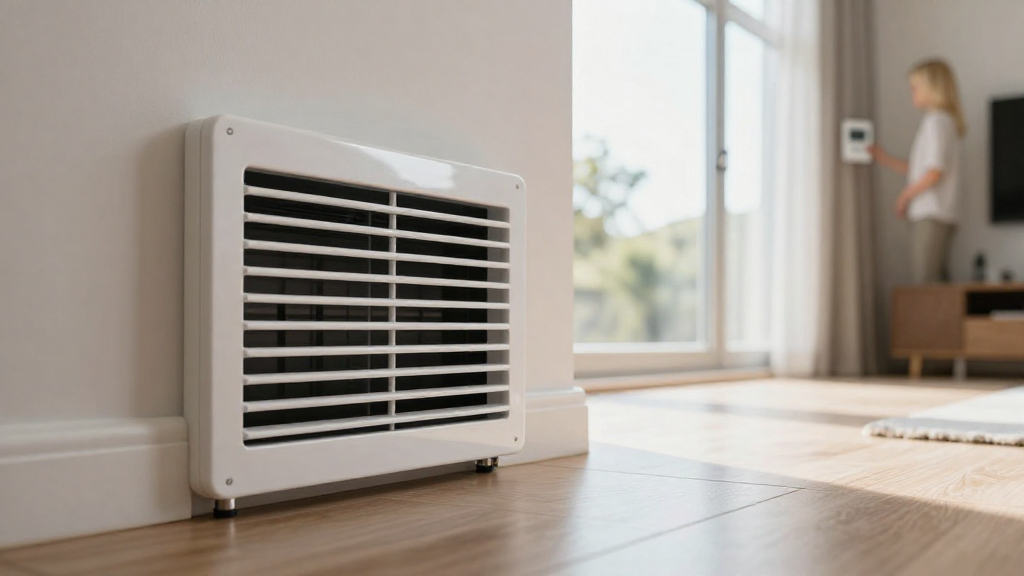
When considering home airflow issues, many homeowners wonder: do vent boosters work? This article dives into the effectiveness of vent boosters, exploring how they function, their benefits, and when to use them.
What Are Vent Boosters?
Vent boosters, often referred to as airflow boosters or duct fans, are devices installed in HVAC systems to increase airflow.
By pulling air through ductwork, these fans aim to enhance comfort in specific rooms or zones that suffer from inadequate heating or cooling.
They are commonly installed in supply vents to help redirect airflow where it’s most needed.
How Do Vent Boosters Work?
Vent boosters work by:
- Inserting an electric fan into the duct system or vent.
- Increasing air circulation, which can help balance temperatures in different areas of a home.
- Improving air distribution to rooms that may not receive enough conditioned air from the central HVAC system.
These boosters typically use a simple toggle switch or can be set to operate automatically based on temperature readings.
Do Vent Boosters Work for Different HVAC Systems?
Do vent boosters work equally well across various HVAC setups? The answer is nuanced.
-
Forced Air Systems:
Vent boosters are most effective with forced air systems, where air is blown through ducts.
They can help in areas where air simply isn’t reaching, ensuring all rooms receive adequate heating or cooling. -
Central Air Conditioning:
In central air systems, using vent boosters can potentially improve airflow issues in distant rooms.
However, they are not a substitute for proper duct design or insulation. -
Radiant Heating:
Vent boosters provide minimal benefits when used with radiant heating systems as they do not utilize duct systems.
They are not recommended for systems without forced air circulation.
What Are the Benefits of Vent Boosters?
So, do vent boosters work? Yes, but with a caveat on their effective application. Here’s why you might consider installing them:
-
Enhanced Comfort:
– In homes where certain rooms feel significantly warmer or cooler, vent boosters can help equalize temperatures. -
Energy Efficiency:
– By improving airflow, vent boosters can reduce reliance on HVAC systems, leading to lower energy bills. -
Cost-Effective Solution:
– Compared to extensive HVAC adjustments, vent boosters are a relatively affordable method to boost airflow quickly. -
Simple Installation:
– Many vent boosters can be installed easily without professional help, allowing homeowners to address airflow issues promptly.
Are There Any Downsides to Vent Boosters?
While do vent boosters work effectively for many, there are some drawbacks to consider:
-
Potential Noise Levels:
– Some vent boosters can generate noise, which might be bothersome, especially in quiet spaces. -
Increased Energy Consumption:
– While they can lead to energy savings overall, vent boosters do consume electricity, which might offset savings if used excessively. -
Limitations on Duct Design:
– If airflow issues stem from poor duct designs, vent boosters might only serve as a temporary fix instead of addressing the root problem. -
Not a Solution for All Problems:
– Vent boosters can’t compensate for other issues like poorly insulated ducts or significant imbalances in the overall HVAC system.
Do Vent Boosters Work in All Situations?
Do vent boosters work in every scenario? Not exactly. Their effectiveness depends largely on a few factors:
- Room Size and Layout:
-
In large rooms with multiple vents, a single booster might not suffice. Enhanced systems may require multiple units strategically placed.
-
System Balancing:
-
If your HVAC system is poorly balanced, using a vent booster may exacerbate the issue instead of fixing it, leading to inefficiency.
-
Isolation of Airflow Issues:
- Identifying whether a room has airflow issues due to ductwork design, insulation, or outside factors is crucial before opting for vent boosters.
How to Choose the Right Vent Booster?
When considering whether do vent boosters work for your situation, here are a few key considerations to selecting the right model:
-
Size of the Booster:
– Make sure to select a booster that is appropriately sized for your vent. A too-small booster will not be effective, while an oversized one can be noisy or unnecessarily consume energy. -
Wattage and Power Needs:
– Check the wattage to ensure it fits your energy efficiency goals. Consider options that feature variable speed settings for better control over airflow. -
Installation Type:
– Decide whether you prefer a duct-mounted option or a vent-mounted one. Each has its pros depending on the existing home structure and your DIY skills. -
Features:
– Some boosters come with smart technology allowing them to operate automatically based on temperature, which can save energy and enhance comfort.
Professional Help vs. DIY Installation
While many vent boosters are simple to install by oneself, some homeowners may prefer hiring a professional.
Consulting an HVAC expert can help you identify airflow issues within your entire system and determine whether vent boosters are the best solution.
Conclusion: Are Vent Boosters Right for You?
So, do vent boosters work? They can significantly improve airflow in specific situations, making them a valuable addition to many homes.
However, considerations such as:
- Room specifics,
- The existing duct system,
- Home energy efficiency objectives,
All play a significant role in their effectiveness.
If you’re facing airflow concerns in specific areas of your home, vent boosters might just be the solution you need to enhance comfort and energy efficiency.
Evaluate your specific situation, explore your options, and don’t hesitate to consult an HVAC professional for tailored advice.