Choosing among NanoVNA antenna analyzers can be surprisingly tricky. Small differences in screen size, frequency coverage, battery life, and accessories can make one model a much better fit for your station than another.
This roundup focuses on practical buying value: what each analyzer is best suited for, which features matter most, and how to narrow down the right choice for antenna tuning, S-parameter checks, and everyday RF work.
Best 10 NanoVNA Antenna Analyzers Picks for 2026
Best for Advanced Feature Set
AURSINC NanoVNA-H V3.7 Vector Network Analyzer
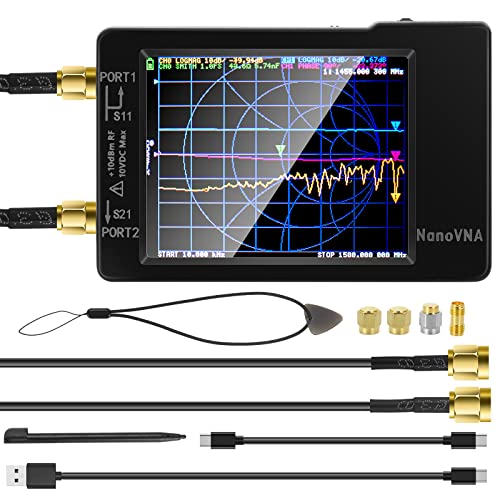
- HW V3.7 with MicroSD, USB-C phone support, and ABS case
- Measures S11/S21 plus Smith chart, phase, delay, and TDR
- Portable 650mAh battery with USB power for bench or field use
Best For: Hams and RF hobbyists who want a compact NanoVNA with extra features and broad connectivity.
Best for Portable Field Use
SEESII NanoVNA-H4 1.5GHz Analyzer Kit

- 9 kHz to 1.5 GHz measurement range
- 4-inch touchscreen with MicroSD support
- Includes EVA case, cables, and calibration kit
Best For: Ham radio operators and field users who want a protected, ready-to-go NanoVNA kit.
Best for Wide Frequency Coverage
Upgraded NanoVNA-F V2 50kHz-3GHz Analyzer

- 50kHz–3000MHz coverage
- 4.3-inch display
- 5000mAh built-in battery
Best For: Hobbyists and radio operators who need a portable analyzer for antenna tuning across HF, VHF, and UHF.
Best Portable Kit
SEESII NanoVNA-H 1.5GHz Antenna Analyzer
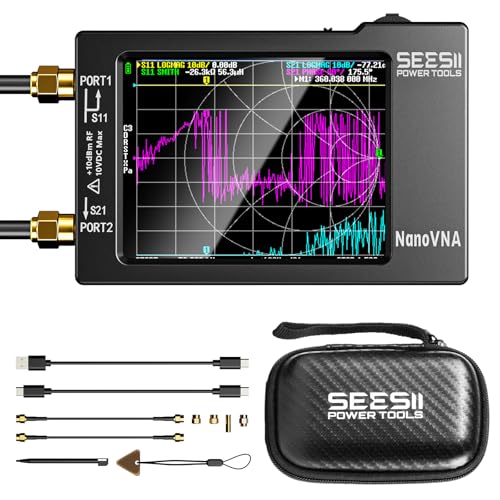
- 9KHz-1.5GHz NanoVNA-H HW3.7 analyzer
- Includes EVA case, cables, and calibration kit
- Supports PC/software export via NanoVNASaver
Best For: Portable RF testing with included protection and accessories.
Best for Wideband RF Testing
AURSINC NanoVNA-H4 Vector Network Analyzer

- 9kHz–1.5GHz range for broad RF and antenna work
- 4-inch touchscreen with Smith chart, SWR, and TDR
- Includes calibration kit, cables, stylus, and USB-C accessories
Best For: Ham radio operators and antenna builders who want a portable analyzer with wide coverage and TDR diagnostics.
Best for Portable Testing
SEESII NanoVNA-H Antenna Analyzer

- 9 kHz to 1.5 GHz coverage for HF/VHF/UHF tuning
- Built-in battery and USB-C make it easy to carry
- Includes calibration kit, SMA adapters, and RF cables
Best For: Hobbyists and radio tinkerers who want a portable NanoVNA for quick antenna and RF checks.
Best for Advanced Bench Testing
AURSINC NanoVNA-F V2 50KHz-3GHz VNA

- 301 sweep points with firmware upgrade support
- Large 4.3-inch touchscreen and 5000mAh battery
- Includes calibration tools, adapters, and RF cables
Best For: Hams, RF hobbyists, and makers who want a portable analyzer with a larger display and solid measurement range.
Best for Portable HF-to-UHF Testing
SEESII NanoVNA-H4 with 32GB Card

- 32GB card included for saving traces immediately
- 4-inch touchscreen with portable, field-friendly design
- Wide 9KHz-1.5GHz coverage for HF, VHF, and UHF
Best For: Ham operators and DIY radio users who want a portable analyzer with storage included.
Best for Portable VNA Testing
SEESII NanoVNA-H HW3.7 Analyzer

- 9KHz-1.5GHz range for HF to UHF testing
- Touchscreen, Smith chart, phase, and delay support
- MicroSD logging plus PC and Android software support
Best For: Amateur radio operators and DIY RF users who want a compact analyzer for antenna tuning and field measurements.
Best for Field Logging
SEESII NanoVNA-H4 4" Touchscreen Analyzer
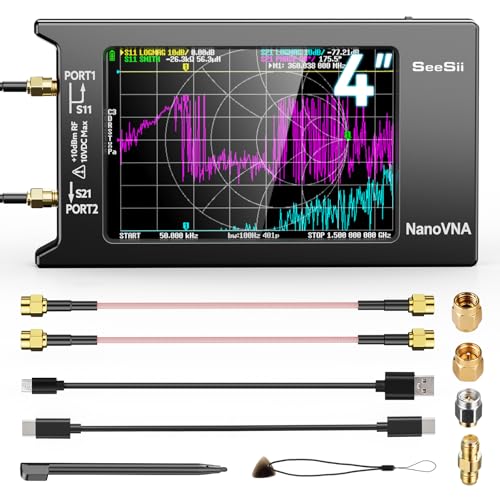
- 9KHz–1.5GHz coverage for HF/VHF/UHF testing
- 4-inch touchscreen and portable form factor
- MicroSD support for saving field measurements
Best For: Amateur radio operators and RF hobbyists who need a portable antenna analyzer with easy logging.
Best for Advanced Feature Set – AURSINC NanoVNA-H V3.7 Vector Network Analyzer
If you want one of the most feature-packed NanoVNA antenna analyzers for hands-on RF work, the AURSINC NanoVNA-H V3.7 is a strong pick. It covers antenna checks, S-parameter measurement, Smith charts, phase, delay, and TDR, while adding useful upgrades like MicroSD storage, a USB-C phone connection, and a protective ABS case.
Best For: Hams, RF hobbyists, and experimenters who want a compact VNA with broad measurement options and mobile/PC connectivity.
Pros:
- Upgraded HW V3.7 with MicroSD support and a more secure battery management circuit
- Measures S11 and S21, with PC and Android support for touchstone files and larger-screen workflows
- Extended frequency coverage up to 1.5 GHz with helpful tools like Smith chart and TDR
- Built-in 650mAh battery and USB power option for portable bench use
Cons:
- Highest frequency bands have lower dynamic range than the lower bands
- Only S12 and S22 require manual transceiver port rewiring
- 2.8-inch display is functional, but small for extended analysis sessions
For buyers comparing NanoVNA antenna analyzers, this model stands out for its upgraded hardware, broader usability, and practical extras that make field and bench testing easier.
Best for Portable Field Use – SEESII NanoVNA-H4 1.5GHz Analyzer Kit
If you want NanoVNA antenna analyzers that are easy to carry yet still cover a wide measurement range, the SEESII NanoVNA-H4 is a practical pick. It reaches 9 kHz to 1.5 GHz, adds a 4-inch touchscreen, and includes a protective EVA case plus the core calibration accessories you need to get started.
Best For: Ham radio operators, field testers, and DIY users who want a portable antenna analyzer kit with good protection and a ready-to-use accessory set.
Pros:
- Wide 9 kHz to 1.5 GHz range for antenna resonance and SWR checks
- 4-inch touchscreen and MicroSD support for convenient on-site use
- Includes calibration standards, RF cables, stylus, and carry case
- EVA hard shell case adds shockproof, waterproof, and dust-resistant storage
Cons:
- High-frequency performance is useful, but not as strong as lower bands
- MicroSD card is not included
As a kit, it stands out among NanoVNA antenna analyzers for users who value portability, organization, and extra protection more than bare-bones pricing. It is especially appealing if you move between the bench, shack, and field often.
Best for Wide Frequency Coverage – Upgraded NanoVNA-F V2 50kHz-3GHz Analyzer
If you want NanoVNA antenna analyzers that can cover everything from HF through UHF without moving up to a larger bench instrument, this upgraded NanoVNA-F V2 is a strong all-around pick. It adds a 4.3-inch display, built-in 5000mAh battery, and the core measurements most hobbyists actually use for antenna work and filter checks.
Best For: Hobbyists and radio operators who want a portable NanoVNA with broad frequency coverage for antenna tuning, SWR checks, and basic network measurements.
Pros:
- Wide 50kHz–3000MHz range for HF, VHF, and UHF work
- Measures S-parameters, SWR, phase, delay, and Smith chart data
- Large 4.3-inch screen makes traces easier to read in the field
- Built-in 5000mAh battery improves portability
Cons:
- Not as polished or turnkey as higher-end lab VNAs
- Touchscreen interface may take some learning for first-time users
For buyers comparing NanoVNA antenna analyzers, this model stands out for its combination of range, screen size, and battery capacity. It is a practical choice if you need a capable handheld analyzer for real-world antenna tuning rather than a cheap bare-minimum tester.
Best Portable Kit – SEESII NanoVNA-H 1.5GHz Antenna Analyzer
If you want a compact, ready-to-carry tool for checking antennas, filters, and RF behavior, this SEESII model stands out among NanoVNA antenna analyzers. It covers 9KHz to 1.5GHz, adds touchscreen control, and includes software support for exporting Touchstone files for deeper analysis.
Best For: Amateur radio operators, electronics tinkerers, and DIY RF users who want a portable VNA kit with protective storage and useful accessories.
Pros:
- Wide 9KHz-1.5GHz range for antenna and network checks
- Includes calibration kit, cables, USB-C leads, and EVA case
- Protective hard shell is waterproof, shockproof, and dust resistant
- Works with NanoVNASaver for PC data capture and Touchstone export
Cons:
- Touchscreen size is compact, so on-device navigation can feel cramped
- Highest-frequency measurements are less robust than lower-band results
For buyers comparing NanoVNA antenna analyzers, this SEESII kit is appealing because it combines practical measurement features with better portability and protection than a bare-bones unit. It is a smart pick if you plan to move the analyzer between the bench, field, and shack.
Best for Wideband RF Testing – AURSINC NanoVNA-H4 Vector Network Analyzer
If you need one of the more capable NanoVNA antenna analyzers for hands-on RF work, the AURSINC NanoVNA-H4 stands out with a 9kHz–1.5GHz range, 4-inch touchscreen, and useful S-parameter, SWR, Smith chart, and TDR features. It’s a practical pick for checking antennas, tuning coax runs, and verifying RF setups without moving to a much more expensive lab instrument.
Best For: Ham radio operators, antenna builders, and engineers who want a portable analyzer with broader frequency coverage and TDR support.
Pros:
- Wide 9kHz–1.5GHz measurement range with improved frequency handling
- 4-inch touchscreen plus S11/S21, SWR, Smith chart, and TDR tools
- Includes calibration kit, RF cables, stylus, and USB-C accessories
- Micro-SD support and PC/Android compatibility for saving Touchstone files
Cons:
- Upper-end accuracy and dynamic range are still limited versus bench-grade VNAs
- Some advanced measurements require manual port rewiring
- 32GB micro-SD card is not included
For buyers comparing NanoVNA antenna analyzers, this model is appealing because it balances portability, useful measurement depth, and a friendlier touchscreen interface. It’s especially strong if you want a field-friendly tool that can handle antenna checks and cable diagnostics in one device.
Best for Portable Testing – SEESII NanoVNA-H Antenna Analyzer
The SEESII NanoVNA-H is a handy choice for anyone comparing NanoVNA antenna analyzers and wanting a compact tool for field checks, quick tuning, and basic RF measurements. It covers S parameters, VSWR, phase, delay, and Smith charts in a small handheld format with USB-C connectivity and a battery built in.
Best For: Hobbyists, radio tinkerers, and portable test setups that need a budget-friendly NanoVNA with a protective case and broad frequency coverage.
Pros:
- Wide 9 kHz to 1.5 GHz range for HF, VHF, and UHF work
- Built-in 650 mAh battery and USB-C support for easy on-the-go use
- Includes calibration kit, SMA adapters, and RF cables to get started
- Metal shielding and shell case help improve durability and reduce interference
Cons:
- Small 2.8-inch screen can feel cramped for detailed analysis
- Highest-frequency performance is more limited than lower bands
- Best suited to hobby and light lab use rather than high-end lab workflows
For buyers comparing NanoVNA antenna analyzers, this model stands out as a practical portable option with strong feature coverage and a good accessory bundle. It is a smart fit if you want easy field use without moving up to a pricier bench instrument.
Best for Advanced Bench Testing – AURSINC NanoVNA-F V2 50KHz-3GHz VNA
If you want a portable tool with more bench-friendly extras than basic NanoVNA antenna analyzers, the AURSINC NanoVNA-F V2 stands out with a 4.3-inch touchscreen, 301 sweep points, and a wide 50KHz-3GHz range. It is a practical pick for checking antennas, filters, and RF components when you need readable data and enough battery life to work away from the desk.
Best For: Hams, RF hobbyists, and makers who want a portable analyzer with a larger display and solid measurement range.
Pros:
- 301 sweep points and firmware upgrade support for more detailed measurements
- 4.3-inch IPS touchscreen with side buttons for easier operation
- 5000mAh battery offers up to about 7 hours of use
- Includes calibration kits, adapters, and RF cables to get started
Cons:
- Resistive touchscreen is less modern than capacitive panels
- Learning curve can be steep for first-time VNA users
- Best results still depend on careful calibration and setup
For buyers comparing NanoVNA antenna analyzers, this model is a strong middle-ground choice: it adds a larger display, long battery life, and useful PC software support without pushing into lab-grade pricing.
Best for Portable HF-to-UHF Testing – SEESII NanoVNA-H4 with 32GB Card
If you want a compact analyzer that covers a very wide frequency range without much setup fuss, this SEESII NanoVNA-H4 is a practical pick. It’s a useful option for ham radio tuning, antenna checks, and field troubleshooting, especially among NanoVNA antenna analyzers that need to balance portability with enough measurement range for everyday use.
Best For: Ham operators, radio hobbyists, and DIYers who want a portable analyzer with a memory card included for saving traces and field data.
Pros:
- Includes a 32GB memory card, so you can start saving scans right away.
- 4-inch touchscreen and portable design make it easy to use on the bench or in the field.
- Wide 9KHz-1.5GHz range covers HF, VHF, and UHF antenna work.
- Comes with calibration kit, cables, stylus, and battery for a fuller starter package.
Cons:
- Advanced measurement features may still take some learning for first-time users.
- Performance is strongest at lower frequencies; high-end range is more limited.
- The default workflow is geared more toward antenna testing than deep lab use.
For buyers comparing NanoVNA antenna analyzers, this model stands out for its included storage and broad frequency coverage. It’s a sensible choice if you want a ready-to-use analyzer for antenna resonance, SWR checks, and basic PC-based data export without building out extra accessories.
Best for Portable VNA Testing – SEESII NanoVNA-H HW3.7 Analyzer
If you want one of the most practical NanoVNA antenna analyzers for field work, the SEESII NanoVNA-H HW3.7 gives you a wide 9KHz-1.5GHz range, touchscreen control, and easy data logging in a compact package. It’s aimed at antenna checks, SWR tuning, and general RF troubleshooting without taking up much bench space.
Best For: Amateur radio operators, RF hobbyists, and DIY users who want a compact analyzer for antenna resonance, SWR, and basic S-parameter measurements.
Pros:
- Wide 9KHz-1.5GHz measurement range for HF through UHF work
- Portable 2.8-inch touchscreen design is easy to use in the field
- Supports Smith chart, phase, delay, and Touchstone data export
- MicroSD support and PC/Android software make it flexible for logging
Cons:
- Default firmware is mainly focused on antenna measurements
- MicroSD card is not included
- Advanced TX/RX setup for full S11/S21 use takes extra manual wiring
Overall, this is a strong pick if you want a compact, feature-rich entry into NanoVNA antenna analyzers and care more about portability and practical antenna testing than lab-grade workflow.
Best for Field Logging – SEESII NanoVNA-H4 4" Touchscreen Analyzer
If you want a compact tool for practical RF checks, the SEESII NanoVNA-H4 is a capable choice among NanoVNA antenna analyzers. It covers 9KHz to 1.5GHz, adds a 4-inch touchscreen, and includes microSD support for saving measurements in the field.
Best For: Amateur radio operators and RF hobbyists who want portable antenna tuning, SWR checks, and S-parameter measurements with easy on-device logging.
Pros:
- Wide 9KHz–1.5GHz measurement range for HF, VHF, and UHF work
- 4-inch touchscreen makes setup and readings easy on the go
- MicroSD slot and date/time support help with field data collection
- Includes calibration kit, RF cables, and touch pen to get started fast
Cons:
- Direct performance is strongest at lower frequencies; top-end ranges are less precise
- Some advanced TX/RX measurements require rewiring and extra know-how
- MicroSD card is not included
For buyers comparing NanoVNA antenna analyzers, this model stands out for portability, included accessories, and simple on-device workflow. It is a solid fit if you want a handheld analyzer that can handle basic antenna diagnosis without a steep learning curve.
How We Picked These NanoVNA Antenna Analyzers
We looked for models that offer a useful mix of frequency coverage, usability, and real-world convenience. For NanoVNA Antenna Analyzers, that means readable displays, stable hardware revisions, supported measurement functions such as S11 and SWR, and enough battery life or storage to make field use easier. We also favored options with practical extras like touchscreens, protective cases, and upgraded batteries.
Quick Comparison: What Matters Most
At a glance, the biggest differences are display size, maximum frequency range, and portability. Smaller handheld units are easier to carry for field antenna tuning, while larger touchscreens are easier to operate on a bench. Higher frequency coverage can be useful for broader RF experimentation, but many users will get excellent value from a standard 1.5 GHz model.
Key Buying Factors for NanoVNA Antenna Analyzers
Frequency Range
Choose a range that matches your actual projects. If you mainly work HF, VHF, and UHF antennas, a 9 kHz to 1.5 GHz analyzer is usually enough. If you need more headroom for broader RF testing, a model that reaches 3 GHz may be the better long-term choice.
Screen Size and Interface
Touchscreens and larger displays make it easier to read traces, adjust markers, and navigate menus. That matters if you plan to use the unit at the bench or want a less fiddly experience in the field.
Portability and Protection
If you travel to antenna sites, look for protective cases, rugged shells, and compact dimensions. NanoVNA Antenna Analyzers are often used outdoors, so carrying protection can be as important as the analyzer itself.
Battery and Storage
Battery capacity is worth paying attention to for portable work. Some models add memory cards or larger batteries, which can be helpful if you save traces, log results, or spend long sessions on measurement tasks.
Who Should Buy Which NanoVNA Antenna Analyzers?
New users and casual hobbyists should usually start with a standard 1.5 GHz NanoVNA antenna analyzer because it balances cost, coverage, and simplicity. Field operators and portable antenna tuners may prefer smaller, rugged units with included cases. Bench users who want easier interaction should lean toward 4-inch touchscreen models. If you expect to explore beyond typical amateur bands or want more future-proof range, a 3 GHz option is the strongest upgrade path.
In short, the best choice is the one that matches your bands, your workspace, and how often you’ll carry the analyzer outside the shack.