When severe weather is a real possibility, a dependable desktop weather radio can deliver fast, localized alerts before your phone does. Models with SAME programming are especially useful because they can target the counties that matter most to you.
Below, we focus on practical picks that balance alert coverage, ease of use, alarm features, and backup power so you can choose a radio that fits your home, office, or emergency kit.
Best 10 Desktop Weather Radios with SAME Alerts Picks for 2026
Best for Localized NOAA Coverage
DreamSky NOAA Weather Radio with SAME Alerts

- Localized SAME county code programming
- 80+ emergency alerts with 3 tone options
- Battery backup plus FM radio and alarm clock
Best For: Households that want a plug-in desktop weather radio focused on local NOAA warnings.
Best for NOAA + Public Alert Coverage
Sangean CL-100 Weather Alert Radio
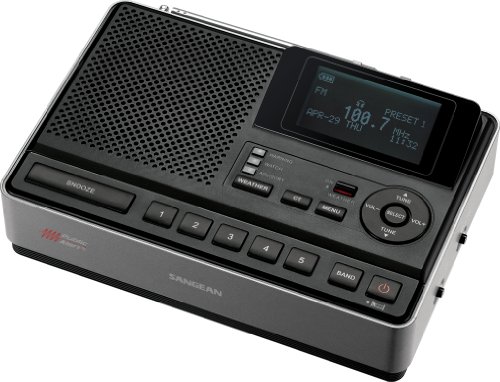
- Certified NOAA and Public Alert reception
- Up to 25 programmable SAME/FIPS codes
- AM/FM radio with preset and EEPROM backup
Best For: People who want a tabletop weather radio with dependable SAME alerts and everyday AM/FM features.
Best for Power Outages
NOAA Emergency Weather Radio with Auto Alerts

- Automatic NOAA alert mode for hands-off storm monitoring
- 5000mAh battery with solar, crank, USB, and AAA backup
- Flashlight, reading lamp, SOS alarm, and phone charging in one unit
Best For: People who want a feature-packed emergency radio for outages, storms, and everyday preparedness.
Best for Hyper-Local SAME Alerts
RunningSnail NOAA Weather Radio with SAME Alerts
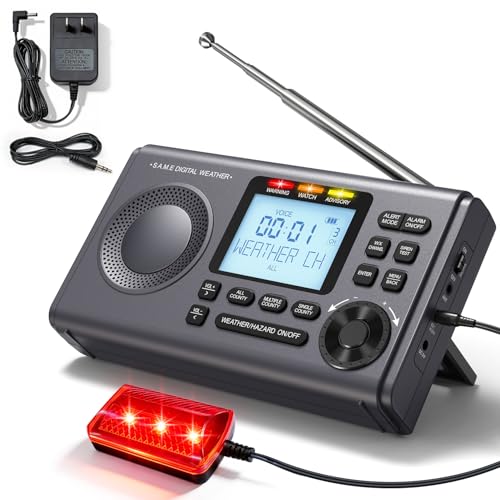
- Up to 23 county codes for localized SAME warnings
- 80+ alert types with voice, siren, or visual alerts
- AC power plus battery backup for outage readiness
Best For: Shoppers who want precise county-level weather alerts and reliable desktop backup power.
Best for Charging
Emerson WBS12 NOAA Weather Band Clock Radio
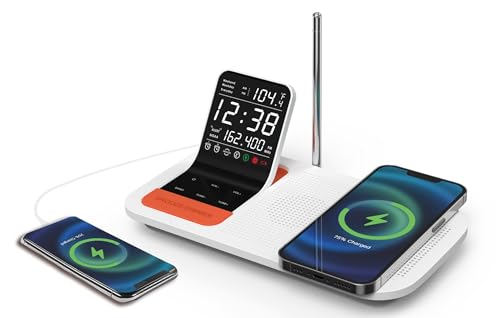
- NOAA Weather Band storm alerts for hurricane-season awareness
- 15W wireless charging with USB-C and USB-A ports
- SmartSet auto-time recovery after outages
Best For: People who want a compact alarm clock radio with weather alerts and built-in charging.
Best for Power-Outage Backup
QAUYYW Hand Crank Emergency Radio

- 37000mWh rechargeable battery
- Solar, USB-C, and hand-crank charging
- NOAA weather band plus flashlight and SOS alarm
Best For: Shoppers who want an emergency radio with long battery life and multiple backup charging options.
Best for Localized Alerts
NOAA Weather Radio with SAME Alerts

- SAME localized programming for targeted alerts
- 80+ emergency alert coverage
- Battery backup plus external warning light
Best For: Homeowners and desk or bedside setups that need localized NOAA weather alerts.
Best High-Capacity Backup
74,000mWh Emergency Weather Radio

- Huge 20,000mAh battery for extended backup use
- USB-C, solar, and hand-crank charging options
- Includes NOAA radio, flashlight, reading lamp, and SOS siren
Best For: Households and campers who want long-lasting emergency power with basic weather radio functions.
Best for SAME Coverage
Midland WR120B NOAA Weather Alert Radio

- SAME alerts for up to 25 counties
- Monitors 60+ weather and emergency alerts
- Color-coded indicators and alert override
Best For: People who want localized NOAA weather alerts on a simple desktop radio.
Best for Localized NOAA Coverage – DreamSky NOAA Weather Radio with SAME Alerts
If you want one of the more practical desktop weather radios with SAME alerts, this DreamSky model is built around localized county-code programming so you can focus on warnings that matter in your area. It also doubles as an FM radio and alarm clock, making it a useful everyday unit for a desk, nightstand, or kitchen counter.
Best For: Buyers who want a plug-in weather radio with SAME alerts, battery backup, and simple home-friendly placement.
Pros:
- SAME county code programming helps narrow alerts to your local area
- Receives 80+ emergency alerts with three alert tone options
- Battery backup adds peace of mind during outages
- FM radio and alarm clock features increase everyday usefulness
Cons:
- Designed more for tabletop use than true portability
- Setup may take a little time if you are new to SAME coding
Overall, this is a solid fit if you want desktop weather radios with SAME alerts and prefer a straightforward plug-in model that can stay ready in the background. It is especially appealing for households that want local warnings without giving up basic daily-radio convenience.
Best for NOAA + Public Alert Coverage – Sangean CL-100 Weather Alert Radio
The Sangean CL-100 is a strong pick for shoppers comparing desktop weather radios with SAME alerts, especially if you want a tabletop unit that adds AM/FM listening and clear alert handling in one device. It covers all 7 NOAA weather channels, supports programmable S.A.M.E. FIPS codes, and stores alert messages so you can keep track of warnings, watches, and advisories.
Best For: Users who want a desktop weather radio for home, office, or emergency prep with reliable NOAA/SAME alerting and everyday AM/FM use.
Pros:
- NOAA and Public Alert certified with all 7 weather channels
- Supports up to 25 programmable S.A.M.E. location codes
- AM/FM radio with preset memory and EEPROM backup
- Useful extras like alarms, snooze, dimmer control, and external alert connections
Cons:
- Requires 4 AA batteries if you want backup power during outages
- Tabletop design is less portable than pocket weather radios
For buyers focused on desktop weather radios with SAME alerts, the CL-100 stands out for combining certified storm alert reception with practical radio features and strong memory backup. It is a sensible choice if you want one unit that can serve both as a weather monitor and a daily bedside or desk radio.
Best for Power Outages – NOAA Emergency Weather Radio with Auto Alerts
If you want one emergency radio that covers alerts, lighting, and backup charging, this model is a practical pick for desktop weather radios with SAME alerts-style use. It adds automatic NOAA alerting, multiple power options, and a built-in phone charger, making it easier to keep on a desk, nightstand, or in a go-bag.
Best For: Households that want a versatile emergency radio for storms, outages, and general preparedness without needing a separate flashlight or charger.
Pros:
- Automatic weather alert mode can warn you without keeping the radio on continuously
- 5000mAh battery plus solar, hand crank, USB, and AAA backup options
- Includes AM/FM/SW tuning, flashlight, reading lamp, and SOS alarm
- Large LCD display and time clock make it easy to monitor power and settings
Cons:
- Bigger feature set may be more than you need if you only want a simple alert radio
- Shortwave and extra survival features add complexity compared with basic desktop models
- Not the most compact option for tight shelf or desk spaces
For buyers comparing desktop weather radios with SAME alerts, this model stands out more as a fully loaded emergency station than a bare-bones alert receiver. It makes the most sense if you value backup power, visibility, and phone charging in one device.
Best for Hyper-Local SAME Alerts – RunningSnail NOAA Weather Radio with SAME Alerts
If you want desktop weather radios with SAME alerts that can narrow warnings down to specific counties, this RunningSnail model is built for targeted emergency monitoring. It combines NOAA all-hazards coverage, selectable alert types, and dual-power backup, making it a practical pick for home offices, bedrooms, and storm-prone areas.
Best For: Buyers who want county-specific NOAA alerts, flexible alert controls, and a dependable desktop radio for power outages.
Pros:
- SAME programming supports up to 23 county codes for precise localized alerts
- 80+ alert types with voice, siren, and visual notification options
- AC power plus 3×AA battery backup keeps alerts running during outages
- Handy extras like a clock, alarm, snooze, backlit display, and external antenna
Cons:
- Requires setup time to program county codes and preferred alert types
- Batteries are not included
- Not the smallest or simplest option if you only want basic NOAA reception
Overall, this is a strong fit if you want desktop weather radios with SAME alerts that reduce false alarms while still covering major hazards. It is especially useful for users who value localized warning control and backup power over a bare-bones radio.
Best for Charging – Emerson WBS12 NOAA Weather Band Clock Radio
If you want one bedside unit that covers alerts, timekeeping, and device charging, the Emerson WBS12 is a practical pick for desktop weather radios with SAME alerts-style storm readiness. Its NOAA Weather Band broadcasts keep you informed during severe weather, while the built-in clock, temperature display, and charging features make it useful every day, not just during hurricane season.
Best For: Buyers who want a compact bedside weather radio with emergency alerts, automatic time setting, and convenient overnight charging.
Pros:
- NOAA Weather Band alerts help you stay aware of storms and outages
- 15W wireless charging plus USB-C and USB-A ports support multiple devices
- SmartSet automatically restores the correct time after power loss
- Dual alarms and indoor temperature readout add everyday utility
Cons:
- It uses NOAA Weather Band alerts rather than true SAME programming
- The 0.6″ LCD is compact, so it may feel small at a distance
- More of a bedside clock radio than a full-featured emergency base station
For shoppers comparing desktop weather radios with SAME alerts, this Emerson stands out more for convenience than advanced alert filtering. It’s a solid fit if you want a simple, storm-aware alarm clock with dependable backup features and modern charging options.
Best for Power-Outage Backup – QAUYYW Hand Crank Emergency Radio
If you want a rugged emergency option rather than one of the usual desktop weather radios with SAME alerts, this QAUYYW unit focuses on backup power, NOAA weather reception, and all-in-one survival lighting. It’s built for households that want a portable radio they can keep charged and ready for storms, blackouts, camping, or roadside emergencies.
Best For: Buyers who want a rechargeable emergency radio with hand-crank, solar, flashlight, and phone-charging backup for severe-weather prep.
Pros:
- Large 37000mWh battery helps it run longer than many basic emergency radios.
- Multiple charging methods: USB-C, solar, and hand crank for emergency flexibility.
- Includes NOAA weather band, AM/FM reception, flashlight, reading light, and SOS alarm.
- USB output can help charge a phone in a pinch.
Cons:
- It is more of a portable emergency radio than a true desktop weather radio.
- No SAME alert support is listed in the product details.
- Feature set is broad, so controls may be more involved than a simple radio.
As a preparedness pick, this model makes sense when you care more about power backup and survival features than a fixed desktop radio layout. If you’re comparing desktop weather radios with SAME alerts, note that this one delivers NOAA coverage and emergency tools, but not the targeted SAME-based alerting many buyers look for.
Best for Localized Alerts – NOAA Weather Radio with SAME Alerts
If you want one of the more practical desktop weather radios with SAME alerts, this NOAA unit focuses on localized emergency notifications, everyday clock use, and simple visibility during severe weather. It’s a sensible pick for placing on a desk, counter, or nightstand when you want weather awareness without a complicated setup.
Best For: Homeowners, office desks, and bedside use where localized NOAA alerts and an emergency backup light are useful.
Pros:
- Supports SAME localized programming for targeted weather alerts
- Includes 80+ emergency alert coverage for broader warning awareness
- Battery backup helps keep alerts available during outages
- External warning light adds a clear visual cue in emergencies
Cons:
- Not the most compact option if desk space is tight
- Feature set may be more than casual users need
Overall, this is a solid fit if you want desktop weather radios with SAME alerts that lean more toward dependable emergency readiness than bells-and-whistles extras. It’s especially appealing for buyers who value localized warnings, backup power, and a straightforward tabletop design.
Best High-Capacity Backup – 74,000mWh Emergency Weather Radio
If you want a rugged backup option among desktop weather radios with SAME alerts alternatives, this 74,000mWh emergency radio stands out for its large battery, multiple charging methods, and built-in light sources. It’s a practical pick for homes, travel kits, and storm prep when you need NOAA weather access plus basic emergency power.
Best For: Buyers who want a high-capacity emergency radio with flashlight, reading lamp, and solar/hand-crank charging for outages and outdoor use.
Pros:
- Large 20,000mAh battery offers long runtime between charges
- NOAA, AM/FM, and SW tuning for emergency and everyday listening
- USB-C, solar, and hand-crank charging add flexibility in outages
- Built-in flashlight, reading lamp, and SOS siren improve emergency usefulness
Cons:
- Analog tuning requires manual station selection
- Not a true SAME-alert desktop radio, so alerts depend on active NOAA monitoring
- Designed more as a portable emergency unit than a stationary home radio
For shoppers comparing desktop weather radios with SAME alerts, this model is better viewed as a power-first emergency backup than a set-and-forget alert receiver. It makes the most sense if you value long battery life, multiple charging options, and simple survival features over advanced alert automation.
Best for Localized NOAA Alerts – Weather Alert Radio with SAME Codes
If you want one of the more focused desktop weather radios with SAME alerts, this model is built around county-code filtering and fast NOAA notifications. It covers 80+ emergency types, offers voice/siren/display alert modes, and adds a clock, alarm, and battery backup for everyday desk or home use.
Best For: Buyers who want a desktop emergency radio that prioritizes localized alerts, simple setup, and reliable backup power during outages.
Pros:
- 23 pre-programmed county codes with SAME-based filtering for local alerts
- Three alert modes: voice, siren, and visual display
- Battery backup plus AC power helps keep alerts coming during outages
- Built-in clock and alarm make it practical for bedside or desktop use
Cons:
- AA batteries are not included
- Setup still requires selecting the correct county code
- More of a utility radio than a feature-rich modern smart device
This is a solid pick if you care most about targeted NOAA coverage rather than extra entertainment features. Among desktop weather radios with SAME alerts, it stands out for straightforward localized programming and dependable emergency-only functionality.
Best for SAME Coverage – Midland WR120B NOAA Weather Alert Radio
If you want one of the most straightforward desktop weather radios with SAME alerts, the Midland WR120B is built to monitor local hazards and send out clear alerts for the counties you choose. It’s a practical pick for keeping a weather radio on a desk, shelf, or countertop without adding a lot of setup complexity.
Best For: Buyers who want localized NOAA alerts, county-specific programming, and an easy-to-read desktop unit for home or office use.
Pros:
- SAME localized programming supports alerts for up to 25 counties
- Receives 60+ emergency weather and hazard alerts
- Color-coded alert indicators help show alert type and severity
- Continuous backlighting and alert override improve day-to-day usability
Cons:
- Designed for weather alerts, not general radio listening
- Interface and display are functional rather than premium
- Requires setup to enter the right county codes for targeted alerts
For shoppers comparing desktop weather radios with SAME alerts, the WR120B stands out for focused county targeting and dependable NOAA monitoring rather than extra bells and whistles. It’s a solid fit if you want a no-frills alert radio that stays ready in the background.
How We Picked These Desktop Weather Radios with SAME Alerts
We prioritized radios that are easy to program, support localized SAME alerts, and offer clear alert handling for serious weather events. We also looked at display readability, audio output, power backup, and whether the unit can double as a daily-use clock or bedside radio.
For this roundup, the most valuable models are the ones that make warnings understandable and actionable without requiring constant setup or technical knowledge.
Quick Comparison: What Matters Most
Some Desktop Weather Radios with SAME Alerts are built for straightforward home use, while others add extras like AM/FM reception, alarm clocks, USB charging, or battery backup. If you want simplicity, choose a tabletop model with an easy menu and a strong speaker. If you want broader emergency coverage, consider units with rechargeable batteries, solar or hand-crank charging, and flashlight features.
Key Buying Factors for Desktop Weather Radios with SAME Alerts
Alert Coverage and SAME Programming
Make sure the radio supports SAME county-code programming and a good range of NOAA alerts. This lets you filter warnings to your location instead of getting every broadcast in range.
Power Backup
In outages, backup power is critical. Battery backup, rechargeable packs, and alternative charging methods can keep the radio working when the grid is down.
Display, Controls, and Usability
Look for a screen that is easy to read at a glance, plus buttons or menus that make setup manageable. If more than one person will use it, simple controls matter more than extra features.
Extra Features
Clock functions, alarm settings, AM/FM radio, and charging ports can add day-to-day value. Just avoid paying for extras you will never use if your main goal is emergency alerting.
Who Should Buy Which Desktop Weather Radios with SAME Alerts?
If you want a dependable home alert radio, choose a tabletop model with SAME programming and battery backup. If you want a do-it-all emergency unit, look at radios with solar, crank, and rechargeable power. If you need something for a bedroom, office, or kitchen, a desktop-style weather radio with an alarm clock and strong display may be the best fit.
In short, the best choice is the one that matches your alert needs, power situation, and how often you plan to use the radio outside emergencies.