Great speaker sound is not just about more power—it is about control. The right digital graphic equalizer can shape tone, reduce harshness, and help your system sound cleaner and more balanced.
Whether you are tuning a home stereo, a car audio setup, or a rack-mount system, this roundup highlights the best options for getting more precise control over your sound.
Best 10 Digital Graphic Equalizers for Speakers Picks for 2026
Car Audio DSP Tuning Pick
Taramps PRO 2.4S 4-Channel DSP Equalizer

- 15-band graphic EQ with parametric EQ
- RCA and high-level inputs for flexible integration
- Delay alignment, crossover, and limiter controls
Best For: Custom car audio systems and OEM upgrades needing DSP-level tuning
Studio-Style Rack Option
EQ8100 20-Band Graphic Equalizer
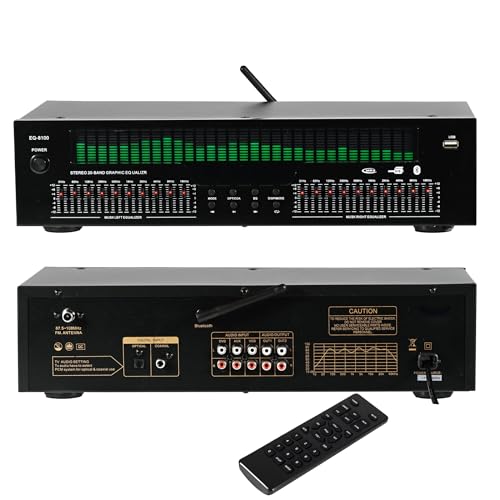
- 20-band EQ with 31-band spectrum analyzer
- Optical, coaxial, USB, and RCA-style connections
- 1U rack chassis with auto-save presets
Best For: Home theaters, studios, and live rigs that benefit from visual EQ feedback
High-Voltage Car EQ Choice
Stetsom EQX764 7-Band Equalizer

- 7-band EQ with dedicated sub controls
- 4 inputs and 6 outputs for flexible routing
- Up to 10 VRMS line-drive output
Best For: Car audio builds needing sub control and strong amplifier drive
Pro Rack EQ Standard
dbx 1231 Dual 31-band Graphic Equalizer

- Dual-channel 31-band graphic EQ
- Switchable boost/cut range for tuning flexibility
- Rack-ready format for pro audio use
Best For: Professional racks and live sound systems that need precise two-channel EQ
Bluetooth DSP Car Tuning
Taramps Pro 2.4 BT 15-Band DSP
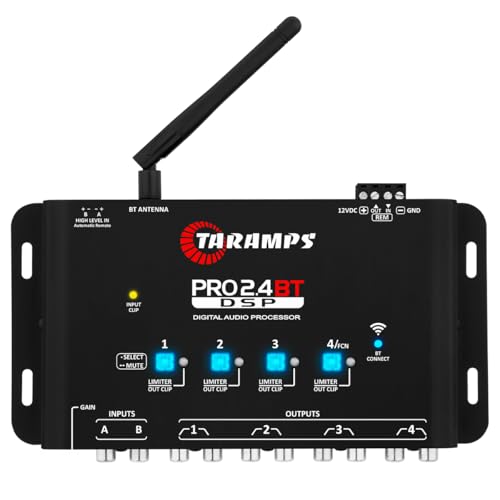
- Bluetooth 5.4 BLE app control
- 15-band graphic EQ with DSP tools
- High-level input and RCA up to 9V RMS
Best For: Car audio builds and OEM integration
Rack-Mount Stereo EQ
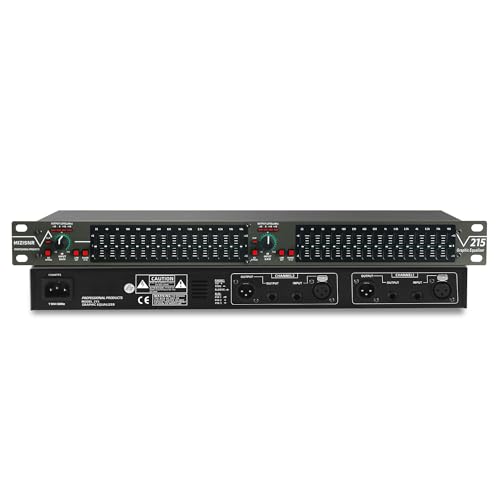
- Dual-channel 15-band graphic EQ
- LOW-CUT and BYPASS switches
- XLR balanced and 1/4" TRS support
Best For: Home audio, DJ rigs, and live applications
Digital Display Spectrum EQ

- DSP-based dual-channel 15-band EQ
- Real-time LED spectrum display
- 6 built-in and 10 user presets
Best For: Users who want a visual EQ with preset sound options
Pro Rack-Mount EQ
31-Band DSP with Spectrum Display

- 31-band EQ with LED spectrum monitoring
- 10 presets and bypass for quick comparison
- Bluetooth 5.2, USB playback, and sub output
Best For: Home theater, DJ booths, and rack systems
Studio Rack EQ
31-Band Digital Equalizer with Presets

- 31-band LED display with softer lighting
- 10 presets, bypass, and noise reduction
- Bluetooth 5.2 plus USB lossless playback
Best For: Rack systems, KTV, and studio audio setups
Dual-Channel EQ
PC-Tunable 31-Band Digital Processor

- Dual-channel 31-band control for L/R tuning
- PC software adds deeper adjustment
- 10 presets, bypass, and DSP noise reduction
Best For: Users who want software-assisted stereo tuning
Car Audio DSP Tuning Pick – Taramps PRO 2.4S 4-Channel DSP Equalizer
If you’re comparing digital graphic equalizers for speakers in a car audio build, the Taramps PRO 2.4S is the kind of processor that helps you shape the whole system, not just trim a few frequencies. Its 15-band graphic EQ, parametric EQ, active crossover, delay alignment, and limiter give you the tools to balance OEM or aftermarket setups with more precision.
Best For: Custom car audio systems, OEM stereo upgrades, and active speaker setups that need full DSP control.
Pros:
- 15-band graphic EQ plus parametric EQ for detailed tuning.
- RCA and high-level inputs make integration easier with factory or aftermarket units.
- Active crossover, delay alignment, and multiple slope options support precise speaker routing.
- Anti-Pop System, clip indicators, and limiter help protect the audio system.
Cons:
- Built for car audio, so it is not the right fit for home speaker systems.
- Requires more setup than a simple stand-alone equalizer.
This is a strong choice if you want one compact DSP that can manage tuning, crossover control, and protection in a single unit. For installers and DIY users who want deeper control over speakers, it offers a lot of capability in a small footprint.
Studio-Style Rack Option – EQ8100 20-Band Graphic Equalizer
When shopping for digital graphic equalizers for speakers in home, studio, or stage setups, the EQ8100 stands out as a rack-mounted unit with a built-in spectrum analyzer. Its 20-band graphic EQ, optical/coaxial inputs, USB playback support, and real-time 31-band display make it useful for users who want visible, hands-on audio shaping.
Best For: Home theaters, studio racks, live stages, and DJ setups that need a feature-rich equalizer with spectrum monitoring.
Pros:
- 20-band graphic EQ with a 31-band spectrum analyzer display.
- Optical, coaxial, USB, and RCA-style lotus connections support versatile routing.
- 1U aluminum chassis is built for rack mounting and portability.
- Auto-save presets help switch between tuned EQ curves quickly.
Cons:
- Feature set is broad, so it may be more than casual users need.
- Designed as a rack unit, not a compact speaker accessory.
If you want an equalizer that doubles as a signal processing hub, this model offers a lot of control and visibility. It is especially appealing for users who move between studio, stage, and home audio environments and want one unit that can adapt.
High-Voltage Car EQ Choice – Stetsom EQX764 7-Band Equalizer
For shoppers looking at digital graphic equalizers for speakers in a car system, the Stetsom EQX764 focuses on clean signal control and simple channel management. It offers seven EQ bands, four inputs, six outputs, dedicated sub controls, and up to 10 VRMS line-drive output to help feed amplifiers with more voltage.
Best For: Car audio systems that need source switching, subwoofer control, and stronger output voltage to drive amplifiers.
Pros:
- 7-band equalization covers bass, mids, and highs with 12 dB adjustment range.
- 4 inputs and 6 outputs support multiple sources and amplifier connections.
- Dedicated subwoofer level and frequency controls add flexibility for low-end tuning.
- Up to 10 VRMS line-drive output is designed to help avoid noise and feed amps strongly.
Cons:
- Only 7 EQ bands, so it is less granular than higher-band models.
- Primarily aimed at car audio rather than home speaker setups.
This is a practical pick if you want straightforward EQ control with extra output and subwoofer management. It is a good fit for systems where clean routing and amplifier drive matter more than deep menu-driven processing.
Pro Rack EQ Standard – dbx 1231 Dual 31-band Graphic Equalizer
If you need digital graphic equalizers for speakers in a pro audio rack, the dbx 1231 is built around classic 31-band control for two channels. Its switchable boost/cut range makes it a straightforward tool for room tuning, monitor shaping, or system EQ where precision matters more than extra effects.
Best For: Professional audio racks, live sound, and speaker systems that need dual-channel 31-band equalization.
Pros:
- Dual-channel 31-band graphic EQ offers detailed frequency control.
- Switchable boost/cut range adds flexibility for different tuning needs.
- Rack-ready design suits pro audio setups.
Cons:
- Heavier and larger than compact consumer equalizers.
- Focused on EQ only, with fewer extra features than DSP-style units.
The dbx 1231 is the most traditional pro-audio option in this group, especially if you want a known 31-band layout for serious speaker tuning. It makes the most sense when your priority is dependable equalization rather than built-in processing extras.
Bluetooth DSP Car Tuning – Taramps Pro 2.4 BT 15-Band DSP
If you want digital graphic equalizers for speakers with real-time control, the Taramps Pro 2.4 BT is built for serious tuning. It combines a 15-band graphic EQ with DSP tools like crossover filters, delay, phase inversion, and a limiter, so you can shape sound for car audio systems with much more precision than a basic equalizer.
Best For: Car audio builds, OEM integration, and users who want app-based tuning control.
Pros:
- Bluetooth 5.4 BLE app control lets you adjust settings wirelessly in real time.
- 15-band graphic EQ plus parametric EQ, HPF/LPF, delay, phase, and limiter controls.
- High-level input with auto turn-on helps with factory head unit integration.
- RCA inputs support up to 9V RMS for flexible system setups.
Cons:
- Designed specifically for car audio and not a general home stereo EQ.
- Full DSP features may be more than casual users need.
Overall, this is the most feature-rich option here for car systems that need detailed tuning and app convenience. If your priority is hands-on control over a vehicle audio setup, it offers a lot of processing power in a compact metal housing.
Rack-Mount Stereo EQ – EQ-215 15-Band Dual Channel
For home audio and live sound users comparing digital graphic equalizers for speakers, the EQ-215 focuses on straightforward stereo control. Each channel offers 15 bands with an adjustable range of ±12dB, plus a low-cut switch and bypass function, making it a practical rack-mount choice for cleaning up and balancing a system.
Best For: Home audio, DJ rigs, studio setups, and live applications that need a simple rack EQ.
Pros:
- Dual-channel 15-band design gives separate left and right control.
- LOW-CUT switch helps reduce wind noise, rumble, and hum.
- BYPASS switch makes comparison and debugging easier.
- XLR balanced and 1/4" TRS input/output support broad compatibility.
Cons:
- Offers basic graphic EQ control rather than advanced DSP features.
- Rack-mount design is best suited to installed systems.
This is a solid pick if you want a no-frills stereo equalizer for installed audio gear. It keeps the controls practical and the connectivity flexible, which is useful when you need reliable tone shaping without extra complexity.
Digital Display Spectrum EQ – 31-Band Analyzer Equalizer
If you want digital graphic equalizers for speakers with a visual display, this dual-channel model adds a spectrum analyzer style interface on top of EQ control. It uses DSP processing for 15 frequency bands per channel, includes preset sound effects, and supports XLR and RCA connections for flexible placement in home theaters, studios, KTV venues, and DJ setups.
Best For: Users who want an EQ with a colorful real-time display and preset sound options.
Pros:
- DSP chip control handles dual-channel 15-band adjustment.
- Ultra-high-resolution LED display shows real-time frequency activity.
- One-knob operation plus 6 built-in and 10 user-defined presets simplify use.
- XLR and RCA support makes it adaptable across multiple audio systems.
Cons:
- The display-focused design may matter more to some users than the audio controls themselves.
- Product details emphasize visual features, so setup preferences may vary by system.
Compared with a standard rack EQ, this model leans into both tuning and presentation. It makes sense if you value a modern display, easy preset access, and broad compatibility for a multi-use audio setup.
Pro Rack-Mount EQ – 31-Band DSP with Spectrum Display
If you want digital graphic equalizers for speakers that make tuning straightforward, this rack-mount unit gives you 31-band control, a real-time LED spectrum display, and a bypass switch for fast A/B checks. It’s built for home stereo, DJ, KTV, and studio setups where precise adjustment and quick recall matter.
Best For: Home theater, DJ booths, and rack systems that need detailed EQ control plus subwoofer management.
Pros:
- 31-band DSP equalizer with real-time frequency monitoring
- 10 preset memories plus independent high/mid/low adjustment
- Bluetooth 5.2 and USB playback for flexible source options
- Dedicated subwoofer output with adjustable 50Hz-250Hz range
Cons:
- Rack-mount design is best suited to permanent setups
- No portable battery option mentioned
Overall, this is a strong choice if you want a feature-heavy processor with visible feedback and practical connectivity. The combination of presets, bypass, and sub output makes it easy to tune speakers for different rooms or events.
Studio Rack EQ – 31-Band Digital Equalizer with Presets
This option for digital graphic equalizers for speakers is aimed at users who want clear visual feedback and simple tuning in a rack-mount format. It combines a 31-band display, 10 preset modes, Bluetooth 5.2, and USB playback, making it practical for home audio, live sound, and studio use.
Best For: Users who want a rack equalizer with preset recall, bypass control, and broad setup compatibility.
Pros:
- 31-band spectrum indication with softer LED lighting
- 10 preset modes plus EQ bypass for fast machine debugging
- Bluetooth 5.2 and USB playback with lossless source support
- XLR and 1/4" TRS I/O with adjustable subwoofer output
Cons:
- Rack-mount form factor may not suit casual desktop use
- Requires corded power
It stands out for users who value easy visibility and flexible inputs without adding unnecessary complexity. The adjustable bass output and preset storage make it a versatile pick for speakers in mixed-use audio setups.
Dual-Channel EQ – PC-Tunable 31-Band Digital Processor
For buyers comparing digital graphic equalizers for speakers, this dual-channel model adds PC tuning to the usual 31-band control, which is useful when you want more exact left-right adjustment. It also includes an LED screen, 10 presets, bypass mode, and DSP noise reduction for cleaner sound shaping.
Best For: Users who want separate left/right tuning and software-assisted EQ control.
Pros:
- Dual-channel 31-band EQ for separate left and right control
- PC software support for fine-tuning settings
- 10 presets with bypass mode for easy comparison
- Balanced XLR, stereo L/R, and TRS connectivity
Cons:
- More advanced than a basic plug-and-play equalizer
- Uses corded power and a rack-style form factor
This is the most control-focused option in the group, especially if you need detailed channel balancing or want to dial in sound from a computer. The included noise reduction and flexible I/O make it a solid fit for both studio and live audio work.
How We Picked the Best Digital Graphic Equalizers for Speakers
We focused on practical features that matter when tuning real systems: band count, noise performance, input and output flexibility, ease of adjustment, and whether the unit fits home, car, or pro audio use. We also looked for models that offer useful extras such as spectrum analysis, Bluetooth control, crossover functions, or line drivers when those features improve setup and signal management.
Quick Comparison
Think of these units in three broad groups. Car audio DSP equalizers are best for active tuning, delay alignment, and crossover control. Home and studio rack units are better for precise tonal shaping and cleaner integration with receivers, mixers, and amplifiers. If you want simple but effective tone control, a 15-band design is usually easier to dial in; if you need finer resolution, a 31-band model gives you more detailed correction.
Key Buying Factors for Digital Graphic Equalizers for Speakers
Band Count
More bands mean finer control. A 15-band equalizer works well for broad corrections, while a 31-band equalizer is better for detailed room or system tuning.
Signal Compatibility
Match the equalizer to your source and amplifier setup. Check for RCA, high-level, balanced, or line-driver support so the unit integrates cleanly without adding noise or distortion.
Noise and Headroom
For the cleanest sound, look for strong output voltage, good shielding, and low-noise design. This is especially important in car audio and long cable runs.
Extra Processing Features
Some Digital Graphic Equalizers for Speakers include crossover controls, delay alignment, Bluetooth, or app-based tuning. These can be valuable if you want more than basic EQ shaping.
Who Should Buy Which Digital Graphic Equalizers for Speakers?
If you are tuning a car system, choose a DSP-style unit with crossover and time alignment. If you are improving home stereo sound, a rack-mount 31-band equalizer is usually the most flexible choice. For DJs, studios, and live sound users, dual-channel units with precise band control are the safest all-around pick. Choose the simplest setup that still gives you the control your system actually needs.