When every minute matters, the right antenna can make a bigger difference than the radio itself. For emergency preparedness, you want dependable performance, fast deployment, and a design that matches your operating style.
This roundup focuses on ham radio antennas for emergency use that are practical for home backup, vehicle comms, and portable field operations.
Best 10 Ham Radio Antennas for Emergency Use Picks for 2026
Best for Multi-Band Emergency Stations
JYR8010-150W End Fed HF Antenna

- 8-band HF coverage from 80m to 10m
- No-tune setup simplifies emergency deployment
- Rugged outdoor build for field and backup use
Best For: Operators who need a wide-band, easy-deploy antenna for emergency HF communication.
Best for Quick Field Deployment
AT-V55 Portable HF/VHF/UHF Antenna Kit

- Covers 7–430MHz for HF, VHF, and UHF operation
- Tripod and support stand make setup fast and portable
- 400W-rated build with IP68 balun for outdoor use
Best For: Operators who need a fast-deploying multi-band antenna for emergency and field communications.
Best Foldable Range Upgrade
BAOFENG 42.5-inch Foldable Antenna
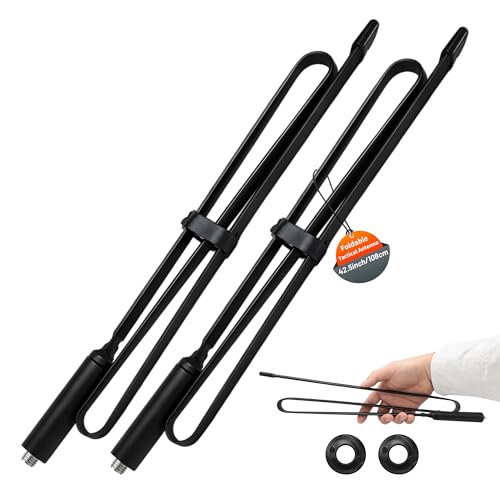
- Improves range and signal clarity over stock antennas
- Foldable design packs easily into emergency kits
- Good for repeater access and outdoor field comms
Best For: Preppers and Baofeng users who want a portable antenna upgrade for emergency and outdoor communication.
Best for Mobile VHF/UHF Coverage
Bingfu Dual Band Magnetic Base Ham Antenna

- Dual-band 136-174MHz / 400-470MHz coverage
- Fast magnetic base installation
- Includes 16.4 ft cable and adapters
Best For: Drivers, boaters, and preppers who need a quick-mount dual-band antenna.
Best for Easy Field Deployment
JPC-12 7-50MHz HF Vertical Antenna

- 8-band HF coverage with low SWR
- Tool-free tuning speeds field setup
- Lightweight, modular, and portable for outdoor use
Best For: Operators who need a quick-deploy HF antenna for portable or emergency communications.
Best for Visibility in the Field
ABBREE Orange Tactical Ham Antenna
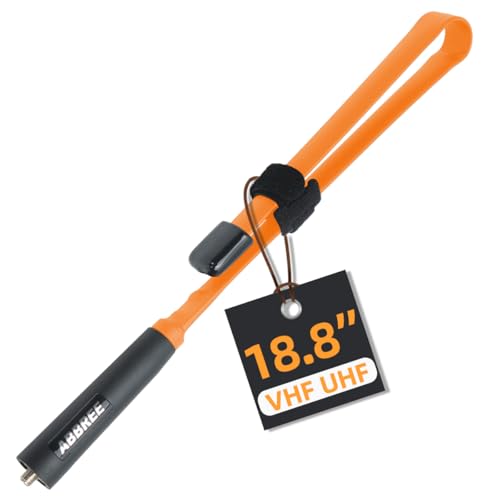
- Bright orange finish is easy to spot in the field
- Folds down for simple storage in a go-bag
- Fits many popular handheld VHF/UHF radios
Best For: Emergency kits and field users who want a compact, highly visible antenna.
Best for Portable HF Setup
JPC-12 HF Antenna 7MHz-50MHz Vertical

- 8-band coverage from 7MHz to 50MHz
- Fast one-person setup for field deployment
- QRP-compatible and up to 100W SSB
Best For: Operators who need a lightweight, multi-band vertical antenna for fast emergency or portable HF operation.
Best Magnetic Mount
Bingfu Dual Band Mobile Ham Antenna

- Magnetic base for fast vehicle mounting
- Dual-band VHF/UHF coverage
- 10-foot RG58 cable for flexible placement
Best For: Drivers and preppers who need a quick-deploy mobile antenna for emergency communications.
Best for Portable Field Ops
JPC-350 HF Vertical Antenna 80-6 Meters

- Wide 80-6 meter HF coverage
- Quick 5-minute setup with split design
- Portable 1.5 kg build with storage bag
Best For: Portable emergency and field operators who need fast-deploy HF coverage.
Best Compact Emergency Upgrade
ABBREE Dual-Band Stubby Antenna

- Tiny 1.96-inch form factor
- Dual-band VHF/UHF support
- 2-pack for backup readiness
Best For: A compact backup antenna for Baofeng-style handhelds in emergency kits.
Best for Multi-Band Emergency Stations – JYR8010-150W End Fed HF Antenna
If you want a simple HF antenna that covers a lot of ground, the JYR8010-150W is a strong option for ham radio antennas for emergency use. Its end-fed half-wave design, 1:64 transformer, and 80m–10m coverage make it attractive for operators who need quick deployment, fewer adjustments, and reliable performance when conditions are less than ideal.
Best For: Operators who want a wide-band, no-tune emergency antenna for home backup, POTA/SOTA, or portable HF communication.
Pros:
- 8-band coverage from 80m to 10m with no external tuner required in many setups
- Fast, flexible installation between trees, masts, rooftops, or poles
- Rugged weather-resistant build suited to outdoor and emergency use
- 150W SSB capability gives it practical headroom for field operation
Cons:
- Needs enough space for a 40m wire, so it is not ideal for very tight yards
- Performance depends on careful placement away from obstacles and metal surfaces
- Not as compact as portable antennas built specifically for ultra-light travel
For operators building a dependable go-kit, this antenna’s biggest advantage is simplicity: broad HF coverage, easy setup, and a durable design that fits real-world ham radio antennas for emergency use. It is a practical pick if you want one wire to cover many bands without extra tuning gear.
Best for Quick Field Deployment – AT-V55 Portable HF/VHF/UHF Antenna Kit
If you want a single setup that can cover HF, VHF, and UHF without a lot of extra gear, the AT-V55 is a practical pick for ham radio antennas for emergency use. Its tripod, inverted-V layout, and telescoping elements make it easier to get on the air quickly when you’re operating off-grid or under time pressure.
Best For: Operators who need a portable, multi-band antenna kit that’s fast to deploy for emergency comms, field work, and temporary stations.
Pros:
- Covers 7–430MHz, with low SWR on major HF bands and usable VHF/UHF performance.
- Includes a tripod and adjustable support stand for fast, tool-free field setup.
- 400W capability and IP68 balun add durability for outdoor emergency operations.
Cons:
- Needs roughly 13 feet of height for best performance, which may not suit every location.
- Requires careful tuning/length adjustment for optimal results across bands.
For ham radio antennas for emergency use, the AT-V55 stands out because it prioritizes speed, portability, and wide band coverage over compactness. It’s a solid choice if you need a field-ready antenna that can handle real-world emergency setups without a complicated install.
Best Foldable Range Upgrade – BAOFENG 42.5-inch Foldable Antenna
If you want one of the more practical ham radio antennas for emergency use, this BAOFENG 42.5-inch foldable antenna is built to improve range, reception, and portability over a stock whip. It’s a straightforward upgrade for operators who need clearer communication with repeaters, field teams, or backup stations when cell service is unavailable.
Best For: Preppers, field operators, and Baofeng users who want a longer, more portable antenna for emergency comms and outdoor use.
Pros:
- High-gain design helps improve transmit and receive performance versus standard stock antennas
- Foldable build makes it easier to pack in a go-bag, vest, or field kit
- Useful for emergency coordination, outdoor operations, and repeater access
- Durable construction is suited to frequent handling and rougher conditions
Cons:
- Longer antenna can be less convenient for everyday pocket carry
- Best results depend on radio compatibility and proper setup
- Not the most discreet option for low-profile use
For buyers comparing ham radio antennas for emergency use, this model stands out as a simple range-focused upgrade that still stays portable. It’s a solid fit if you want a tougher, more field-ready antenna without moving into a more complicated setup.
Best for Mobile VHF/UHF Coverage – Bingfu Dual Band Magnetic Base Ham Antenna
If you want a quick-deploy option for ham radio antennas for emergency use, this Bingfu magnetic-base antenna is built around simple vehicle mounting and dual-band VHF/UHF coverage. It includes a long 5m RG58/U cable, PL259 connection, and extra ground-plane pieces, making it a practical pick for mobile rigs, marine radios, and field setups where speed matters more than a permanent install.
Best For: Drivers, boaters, and emergency preppers who need a flexible dual-band antenna that can be mounted and removed fast.
Pros:
- Dual-band support for 136-174MHz VHF and 400-470MHz UHF
- Strong magnetic base makes installation fast and non-permanent
- Long 16.4 ft cable helps with flexible mounting in vehicles or boats
- Includes adapters and multiple ground-plane pieces for broader compatibility
Cons:
- Magnetic mount is less ideal for rough off-road or stormy conditions
- Not as rugged or optimized as a permanent roof-mounted antenna
- Best performance depends on proper placement and grounding setup
For ham radio antennas for emergency use, this is a solid “grab and go” choice when you need dependable mobile coverage without committing to a permanent mount. It’s especially useful if you want one antenna that can serve a car, boat, or backup station with minimal setup time.
Best for Easy Field Deployment – JPC-12 7-50MHz HF Vertical Antenna
If you want a portable option among ham radio antennas for emergency use, the JPC-12 is built around fast setup, broad HF coverage, and predictable tuning. It covers 40m through 6m across 8 bands, keeps SWR low, and packs down small enough for grab-and-go deployments, making it a practical choice for field kits, POTA, and emergency stations.
Best For: Operators who want a lightweight HF vertical that is quick to deploy for portable or emergency communications.
Pros:
- Covers 8 HF bands with 7–50MHz operation and low SWR performance.
- Fast, tool-free tuning is helpful when you need to get on the air quickly.
- Lightweight, modular design makes it easy to carry and set up in the field.
- Includes a sturdy ground system and corrosion-resistant parts for outdoor use.
Cons:
- Best performance depends on proper assembly and a good ground setup.
- At 100W max SSB, it is not aimed at high-power stations.
Overall, the JPC-12 makes sense if you need ham radio antennas for emergency use that prioritize portability, simple deployment, and solid multiband coverage over maximum station-grade versatility. It is a strong fit for operators who value getting an HF signal up quickly in the field.
Best for Visibility in the Field – ABBREE Orange Tactical Ham Antenna
If you want a compact upgrade among ham radio antennas for emergency use, this ABBREE orange foldable antenna is built for portability and quick identification. It covers the common 144/430 MHz VHF/UHF bands, uses an SMA-female connector, and folds down small enough to keep in a go-bag or backpack pocket.
Best For: Emergency kits, field teams, and anyone who wants a highly visible antenna that is easy to pack with a compatible handheld radio.
Pros:
- Bright orange color makes it easier to spot during outdoor or emergency operations
- Foldable, detachable design stores smaller than a fixed whip
- Works with many popular handhelds, including Baofeng and Quansheng models
- Supports the common 144/430 MHz bands for everyday VHF/UHF use
Cons:
- Not a universal fit; it requires an SMA-female handheld radio
- 10W max input means it is aimed at handheld use, not high-power setups
- Gain claims and real-world range will vary by terrain and radio
For ham radio antennas for emergency use, this is a practical pick if visibility, packability, and broad handheld compatibility matter more than maximum performance. It is a straightforward upgrade for keeping a spare antenna in your emergency kit.
Best for Portable HF Setup – JPC-12 HF Antenna 7MHz-50MHz Vertical
If you want a compact HF option for ham radio antennas for emergency use, the JPC-12 is built for quick deployment and multi-band coverage from 40m through 6m. Its split design, light weight, and low-SWR tuning make it a practical choice for operators who need a portable antenna they can set up fast in the field, at home, or on a balcony.
Best For: Operators who need a lightweight, multi-band vertical antenna for fast emergency or portable HF operation.
Pros:
- Covers 8 bands from 7MHz to 50MHz for flexible emergency communications.
- Quick one-person setup and compact storage make it easy to deploy fast.
- Low-SWR design helps simplify tuning across supported bands.
- QRP-compatible and rated up to 100W SSB for portable field use.
Cons:
- Performance depends on careful adjustment and coil positioning.
- Best suited to HF use, not a broad solution for all radio needs.
For ham radio antennas for emergency use, the JPC-12 stands out because it balances portability, band coverage, and rapid setup. It is a sensible pick if you want a field-ready vertical antenna that can support backup communications without taking much room in your go-bag or vehicle kit.
Best Magnetic Mount – Bingfu Dual Band Mobile Ham Antenna
If you want a simple vehicle-mounted option for ham radio antennas for emergency use, this Bingfu dual-band antenna is built around quick deployment and broad compatibility. Its magnetic base, 10-foot RG58 cable, and VHF/UHF coverage make it a practical choice for mobile comms when you need to get on the air fast.
Best For: Drivers and preparedness-minded operators who want an affordable magnetic-mount antenna for dual-band mobile operation.
Pros:
- Strong magnetic base makes it easy to mount on a vehicle roof or metal surface.
- Dual-band coverage works for VHF 136-174MHz and UHF 400-520MHz.
- 10-foot cable gives flexible placement for mobile installations.
- Wide radio compatibility across many popular amateur and marine radios.
Cons:
- Designed for mobile use, not as a fixed home base antenna.
- Magnetic mount depends on a clean, flat metal surface for best performance.
- Included adapter may still require checking connector fit for your radio.
For emergency kits and vehicle-based comms, this is a straightforward antenna that prioritizes speed, convenience, and broad compatibility. It’s a solid pick if you need ham radio antennas for emergency use without a complicated install.
Best for Portable Field Ops – JPC-350 HF Vertical Antenna 80-6 Meters
If you need one of the more versatile ham radio antennas for emergency use, the JPC-350 is built for portable HF operation with coverage from 80m through 6m. Its split design, quick setup, and included storage bag make it practical for field stations, training drills, and backup communications where fast deployment matters.
Best For: Amateur radio operators who want a portable HF vertical antenna for emergency response, outdoor operation, and short setup windows.
Pros:
- Covers 80-6 meters, giving you broad HF band flexibility for emergency contacts.
- Portable 1.5 kg split design with a bag for easier transport and storage.
- Rated for up to 100W SSB with a stated low SWR for efficient operation.
- Weather-resistant materials help it hold up better in outdoor use.
Cons:
- Performance will depend heavily on installation height and site conditions.
- Not ideal if you need a rugged, permanent base-station antenna.
- Requires careful setup and tuning to get the most out of the wide band coverage.
For operators comparing ham radio antennas for emergency use, the JPC-350 stands out as a portable all-band option rather than a permanent install. It makes the most sense when quick deployment, broad HF coverage, and compact storage are higher priorities than maximum gain.
Best Compact Emergency Upgrade – ABBREE Dual-Band Stubby Antenna
If you want a small, easy-to-pack antenna for ham radio antennas for emergency use, this ABBREE dual-band stubby is a practical add-on for compatible handhelds. It keeps the footprint minimal while offering VHF/UHF coverage for basic emergency communications, check-ins, and short-range coordination.
Best For: Operators who want a compact spare antenna for Baofeng-style handheld radios and everyday emergency readiness.
Pros:
- Very compact 1.96-inch design for grab-and-go kits
- Dual-band 144/430 MHz support covers common amateur emergency channels
- 2-pack adds a handy backup or extra radio option
- SMA-female fit works with many popular handheld models
Cons:
- Stubby size can limit performance versus longer antennas
- Best suited to compatible handhelds, not all radios
For ham radio antennas for emergency use, this is more about convenience and portability than maximum range. It makes sense as a lightweight backup antenna in an emergency go-bag, especially if you already use a Baofeng or similar handheld and want a simple spare that is easy to carry.
How We Picked These Ham Radio Antennas for Emergency Use
We prioritized antennas that are useful when conditions are uncertain: quick to deploy, broadly compatible, and suited to realistic emergency operating scenarios. That means looking at band coverage, portability, mounting options, build quality, and whether the antenna is a better fit for base, mobile, or go-kit use.
We also favored options with straightforward setup, because emergency gear should be usable under stress and in low-light or low-power situations.
Quick Comparison: Which Type Fits Your Setup?
For a home backup station, end-fed and vertical HF antennas are often the easiest way to get multi-band coverage without a complex installation. For vehicle kits, magnetic-base dual-band antennas are convenient for repeaters and local VHF/UHF communication. For portable field operations, foldable or support-stand antennas can be faster to deploy and easier to transport.
If you want one antenna to cover multiple situations, choose based on your most likely emergency use case rather than maximum specification sheets.
Key Buying Factors for Ham Radio Antennas for Emergency Use
Band Coverage
Make sure the antenna covers the bands you actually plan to use. HF is important for longer-distance emergency paths, while VHF/UHF is often better for local coordination, repeaters, and neighborhood communication.
Deployment Speed
In an emergency, simple wins. Antennas that are pre-tuned, foldable, or easy to raise on a support stand reduce setup time and mistakes.
Portability and Storage
Compact antennas are easier to include in a go-bag, vehicle kit, or field pack. If space is limited, favor lightweight designs and antennas that pack down cleanly.
Mounting and Compatibility
Check connector type, vehicle mounting method, and whether the antenna works with your specific radio and feedline setup. Compatibility problems are one of the most common avoidable purchases.
Durability and Power Handling
Emergency gear should tolerate travel, weather changes, and repeated setup. If you plan to run more power, verify the antenna’s power handling and intended operating mode.
Who Should Buy Which Ham Radio Antennas for Emergency Use?
If you want a home emergency antenna for wider reach, look for HF options with multi-band coverage and stable performance. If you need local communication from a truck or car, choose a mobile VHF/UHF antenna with a solid mount and reliable whip. If you’re building a portable emergency kit, prioritize lightweight, easy-assembly antennas that can be deployed quickly in the field.
The best choice is the one that matches your operating environment, your radio, and your readiness plan. For most buyers, that means balancing coverage, setup time, and practical portability rather than chasing the longest possible range on paper.