The best IEM for critical listening is not necessarily the one with the most drivers or the highest price. You need a sound signature that helps you hear what matters, plus a secure fit and a reliable connection to your listening setup.
These 10 picks span mixing-oriented monitors, premium audiophile models, and newer hybrid designs. Use the guide below to narrow the field by purpose, tuning, and everyday usability.
Best 10 High End Iems for Critical Listening Picks for 2026
Hybrid Detail Pick

- Two dynamic drivers plus four Knowles armatures
- Four-way crossover targets imaging and tonal depth
- Modular 3.5 mm and 4.4 mm cable
Best For: Detailed listening with substantial sub-bass
Mixing-Focused Pick

- Optimized for mixing and critical listening
- Low-distortion TESLA.11 dynamic driver
- Silicone and foam tips included
Best For: Studio monitoring and critical listening
Single-Driver Audiophile Pick

- 10 mm dynamic driver with magnetic fluid technology
- Balanced and unbalanced cables included
- Round and oval tips in four sizes each
Best For: Single-driver listening with connection flexibility
Stage-Ready Pick
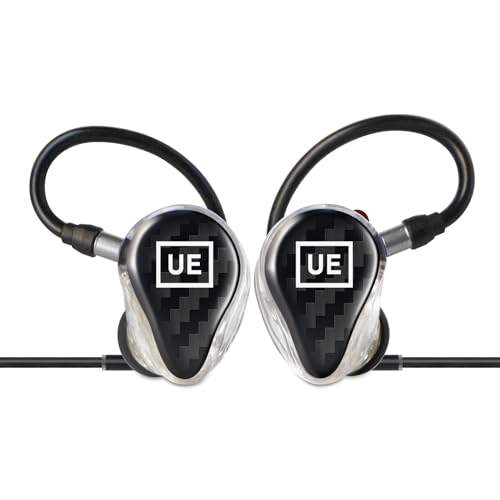
- Three Knowles balanced armatures
- Perform Fit design targets a consistent seal
- Red right-side marker aids stage use
Best For: Secure, detailed live monitoring
Best Single-Driver Pick

- German-made 7 mm dynamic driver
- Three included cable terminations
- Silicone and foam tips in three sizes
Best For: Single-driver listening with balanced connection options
Best for Adjustable Tuning

- Four balanced-armature drivers
- Four interchangeable sound profiles
- Sound-isolating sleeves
Best For: Listeners who want adjustable tuning
Best for Phone Listening

- 10.8mm dynamic driver with gently enhanced lows
- USB-C DAC/amp adapter included
- Detachable cable and four tip sizes
Best For: Wired listening across 3.5mm and USB-C devices
Best for Treble Detail

- Six-driver hybrid includes direct-drive MEMS
- Designed for detailed highs and vocal separation
- 3.5mm cable and six pairs of tips included
Best For: Examining vocals and upper-frequency detail
Best for Flexible Outputs

- Interchangeable 3.5mm and 4.4mm plugs
- Seven-driver hybrid with four-way crossover
- Lightweight shells with pressure-balancing vents
Best For: Switching between standard and compatible balanced sources
Hybrid Detail Pick – THIEAUDIO HYPE 4 MKII
For shoppers comparing high end iems for critical listening, the THIEAUDIO HYPE 4 MKII pairs two dynamic sub-bass drivers with four Knowles balanced armatures. Its stated tuning aims to keep deep bass from masking the midrange.
Best For: Listeners who want detailed imaging and substantial sub-bass without giving up midrange clarity.
Pros:
- Second-generation dual-driver IMPACT2 system targets focused sub-bass.
- Four-way crossover and dedicated armatures handle distinct midrange and treble duties.
- Modular cable includes 3.5 mm and 4.4 mm plugs.
Cons:
- The stated 9 dB sub-bass lift may be more than strict-neutral listeners want.
- Its multi-driver design may be unnecessary if you prefer a simpler single-driver IEM.
The HYPE 4 MKII is the feature-rich choice here: consider it if controlled bass and driver separation matter as much to you as a neutral-leaning midrange.
Mixing-Focused Pick – beyerdynamic DT 70 IE
The beyerdynamic DT 70 IE is a direct fit for a shortlist of high end iems for critical listening: it is explicitly optimized for mixing and critical listening, with a low-distortion TESLA.11 dynamic driver and a compact, isolating design.
Best For: Studio or stage users who prioritize monitoring, fit, and isolation.
Pros:
- Sound is optimized for mixing and critical listening.
- Compact design is intended to provide a secure fit and strong sound insulation.
- Includes silicone and memory-foam tips, a case, and a 6.35 mm adapter.
Cons:
- The supplied cable terminates in 3.5 mm; no balanced cable is listed.
- Its monitoring-oriented brief may not appeal to listeners seeking a deliberately bass-forward presentation.
Choose the DT 70 IE when the primary job is evaluating audio rather than chasing an elaborate driver configuration. Its included tip selection also gives you useful options for finding a consistent seal.
Single-Driver Audiophile Pick – Technics EAH-TZ700
Among high end iems for critical listening, the Technics EAH-TZ700 offers a single-driver alternative. Its 10 mm dynamic driver uses an original diaphragm and magnetic fluid technology, while an internal Air Control Chamber manages airflow.
Best For: Audiophiles who prefer a premium single-dynamic-driver IEM with flexible wired connections.
Pros:
- 10 mm driver and Air Control Chamber are designed for broad-bandwidth reproduction.
- Includes both balanced and unbalanced detachable cables.
- Round and oval ear tips come in four sizes each.
Cons:
- The supplied notes describe deep, rich bass, which may not suit listeners seeking a strictly restrained low end.
- It does not offer the separate driver assignments of a multi-driver design.
The EAH-TZ700 makes the strongest case for buyers who value a single-driver approach and want cable and tip choices included rather than sourced separately.
Stage-Ready Pick – Ultimate Ears Pro UE 350
The Ultimate Ears Pro UE 350 brings a performance-focused option to a search for high end iems for critical listening. Three Knowles balanced armatures use a two-way crossover, with dual low-mid drivers and a dedicated high-frequency driver.
Best For: Musicians and stage users who need clear monitoring and a secure fit over extended sessions.
Pros:
- Triple balanced-armature configuration separates low-mid and high-frequency duties.
- Perform Fit design is intended to maintain a consistent seal.
- Red right-side marker helps with identification in low light.
Cons:
- The supplied notes emphasize live monitoring rather than a specific studio-neutral tuning.
- No balanced cable or interchangeable plug is listed.
The UE 350 is most compelling when reliable stage handling matters alongside detail. For primarily desk-based listening, weigh its fit and monitoring features against your preferred tuning.
Best Single-Driver Pick – Sennheiser IE 900
For shoppers comparing high end iems for critical listening, the Sennheiser IE 900 offers a 7 mm dynamic-driver design with acoustic features intended to reduce masking resonances. It is a strong option if you want a compact wired IEM with several connection choices.
Best For: Listeners who want a single dynamic driver, passive isolation, and included balanced cables.
Pros:
- Triple-chamber absorber and acoustic vortex are designed to refine treble by reducing masking resonances.
- Includes 3.5 mm, balanced 2.5 mm, and balanced 4.4 mm detachable cables.
- Silicone and memory-foam tips in three sizes offer fit options.
Cons:
- Not water resistant.
- Its recessed MMCX connection calls for compatible replacement cables.
The included tips and cables make the IE 900 adaptable to different listening setups, but getting a secure seal remains important for consistent sound and isolation.
Best for Adjustable Tuning – Shure SE846 Gen 2
The Shure SE846 Gen 2 stands out among high end iems for critical listening because its interchangeable filters let you choose balanced, warm, bright, or extended sound profiles. Four balanced-armature drivers and sound-isolating sleeves support detailed wired listening.
Best For: Listeners who want to adjust their sound profile without changing earphones.
Pros:
- Four precision drivers are specified for detailed highs, clear mids, and extended bass.
- Interchangeable filters offer four sound profiles.
- Low-profile fit, isolating sleeves, and a detachable over-ear cable suit extended sessions.
Cons:
- The included wired connection uses a 3.5 mm plug; balanced terminations are not listed.
- Filter and sleeve choices add setup steps before you settle on a sound.
Choose the SE846 Gen 2 if tuning flexibility matters more to you than an included balanced cable. For comparisons, keep the same filters and sleeves installed between listening sessions.
Best for Neutral Monitoring – Reference Five-Driver Hybrid
If you are shopping for high end iems for critical listening with monitoring in mind, the Reference five-driver hybrid is marketed around a neutral, diffuse-field-based tuning. Its two dynamic woofers, two midrange balanced-armature drivers, and supertweeter are intended to cover the full spectrum.
Best For: Listeners evaluating mixes who prioritize the stated neutral tuning approach and flexible cable termination.
Pros:
- Five-driver hybrid design combines dual dynamic woofers with three balanced-armature drivers.
- Includes interchangeable 3.5 mm single-ended and 4.4 mm balanced terminations.
- CNC-machined aluminum housings have a contoured, pseudo-custom shape.
Cons:
- Its neutrality claim comes from the supplied tuning description; personal fit and preference still matter.
- Accessories carry a shorter stated warranty than the earphones: three months versus one year.
This is the most explicitly studio-focused option here on the supplied specifications. Check the fit and compare it with your familiar reference tracks before relying on it for mix decisions.
Best for Phone Listening – Meze Audio ALBA
If you’re shopping for high end iems for critical listening but want a straightforward phone setup, the Meze Audio ALBA pairs a 10.8mm dynamic driver with an included USB-C DAC/amp adapter. Its stated tuning favors natural balance with a little extra low-end richness, so it is worth considering if you want detail without a strictly neutral presentation.
Best For: Listeners who switch between a 3.5mm source and a USB-C phone or laptop.
Pros:
- Included USB-C DAC/amp adapter adds a practical connection option.
- Detachable 2-pin braided cable and metal chassis support everyday use.
- Four ear-tip sizes help with fit and passive isolation.
Cons:
- Enhanced lower tones may not suit listeners seeking a strictly neutral reference.
- Not water resistant.
ALBA makes the strongest case for convenient, comfortable wired listening rather than maximum driver complexity. Try the included tips carefully: a consistent seal matters when judging bass and fine detail.
Best for Treble Detail – HiFiGo Binary EP321
Among high end iems for critical listening, the HiFiGo Binary EP321 stands out for its hybrid arrangement of two dynamic drivers, three balanced armatures, and a direct-drive MEMS unit. The supplied description emphasizes high-frequency resolution, instrument separation, and natural vocals; importantly, its MEMS design is specified to work without a special amplifier.
Best For: Listeners who prioritize vocal texture and fine upper-frequency detail from ordinary audio sources.
Pros:
- Direct-drive MEMS unit is designed to work with a phone, laptop, or audio player.
- Physical three-way crossover assigns work across six drivers.
- Lightweight 3D-printed shells and six pairs of tips offer fit options.
Cons:
- The supplied connection is 3.5mm; check whether your device needs an adapter.
- Its complex driver setup does not, by itself, guarantee a preferred tonal balance.
Choose the EP321 if its focus on separation and treble nuance matches how you evaluate recordings. As with any IEM, tip fit will affect the bass balance you actually hear.
Best for Flexible Outputs – JUZEAR Light Shuttle
For high end iems for critical listening across multiple wired sources, the JUZEAR Light Shuttle offers a useful connection advantage: its included cable has interchangeable 3.5mm and 4.4mm plugs. Inside, a seven-driver hybrid layout and four-way crossover are designed to keep bass, vocals, and upper-range detail distinct in complex tracks.
Best For: Listeners moving between single-ended and compatible 4.4mm balanced outputs.
Pros:
- Interchangeable plugs avoid swapping the entire cable between 3.5mm and 4.4mm sources.
- One dynamic driver, four balanced armatures, and two micro planars cover different frequency ranges.
- Approximately 6.4g earpieces and a pressure-balancing vent target extended-wear comfort.
Cons:
- Using the 4.4mm plug requires a compatible balanced output.
- Up to 26dB passive isolation depends on achieving an effective fit.
The Light Shuttle is a practical pick if source flexibility matters as much as its layered hybrid design. Its stated full, controlled bass may appeal more than a leaner presentation when assessing dense rock or electronic mixes.
How We Picked the Best High End Iems for Critical Listening
This roundup covers 10 wired models with different approaches to serious listening, including studio-oriented monitors, single-driver designs, multi-driver hybrids, and a MEMS hybrid. We prioritized the questions buyers can assess before purchase: intended use, driver design, stated connectivity, fit considerations, and whether the product is positioned for monitoring or recreational listening. Specifications alone cannot establish sound quality, so treat driver counts and marketing claims as starting points, not rankings.
Quick Comparison: Where to Start
For a mixing-focused shortlist, start with the beyerdynamic DT 70 IE, then compare it with the Shure SE846 Gen 2 if isolation and an established monitor format matter to you. The Sennheiser IE 900 and Technics model are worth considering if your priority is high-fidelity music listening rather than making mix decisions. If you want to explore hybrid designs, compare the THIEAUDIO Hype 4 MKII, the five-driver Reference model, and the JUZEAR Light Shuttle. The Binary EP321 adds a MEMS element for buyers specifically interested in that technology. The Ultimate Ears Pro UE 350 offers a triple-driver option, while the MEZE AUDIO ALBA is a simpler starting point for phone listening, with a USB-C adapter included.
Key Buying Factors for High-End IEMs for Critical Listening
Tuning and Listening Purpose
Decide whether you need to judge a recording or enjoy it. For editing and mixing, look for clear midrange information and bass you can interpret consistently; an exciting bass or treble emphasis can make decisions harder. For personal listening, a more characterful presentation may be exactly what you want. Published frequency ranges and driver counts will not tell you how an IEM is tuned in your ears.
Fit, Seal, and Isolation
A poor seal changes perceived bass and can make comparisons unreliable. Check the supplied ear-tip sizes and materials, shell shape, and return policy. If possible, test fit before committing to an expensive pair. Passive isolation is also useful when working around ambient noise, but it depends heavily on fit.
Source and Cable Compatibility
Check your source’s output and the cable plug before buying. Some listeners need a standard 3.5 mm connection; others use a 4.4 mm balanced output or USB-C adapter. A detachable cable can make replacement easier, but verify the connector type rather than assuming cables interchange across brands. Start at a low volume when connecting a new IEM to an unfamiliar source.
Who Should Buy Which High End Iems for Critical Listening?
Choose a monitoring-oriented model if your main task is spotting recording problems or checking mixes, and use familiar reference tracks to learn its presentation. Choose an audiophile-oriented option if long listening sessions and your preferred tonal balance matter more than mix translation. Try a hybrid if you want to compare different driver approaches, but do not pay more solely for a larger driver count. If you listen primarily from a phone, prioritize the connection and comfort you will actually use. Ultimately, the best High End Iems for Critical Listening are the pair that fits securely, works with your source, and lets you make repeatable judgments.