The Shure SM7B is a highly regarded dynamic microphone, but its low output can challenge audio interfaces, mixers, and portable recording setups. The right preamp adds clean gain without forcing you to run your input at its limits.
We compare 10 practical options, from compact inline boosters such as the Cloudlifter and FetHead to full-featured interfaces and adjustable studio preamps. Use the guide below to match gain, phantom-power requirements, noise performance, and connectivity to your setup.
Best 10 Microphone Preamp for Sm7b Picks for 2026
Best Overall

- Up to +25 dB of clean gain
- Phantom-powered without passing phantom to passive mics
- Suitable for podcasts, streaming, and studio recording
Best For: Passive dynamic and ribbon microphones in home or professional setups
Best Compact Option

- Low-noise Class-A JFET amplifier
- Shielded enclosure for the signal path
- Compact in-line preamp design
Best For: Space-conscious recording and broadcast setups
Best Value Booster

- Up to 25 dB of gain for dynamic and ribbon mics
- Uses phantom power from an interface or external supply
- Designed for studio, broadcast, and live sound
Best For: SM7B, RE20, and other low-output dynamic microphones
Best Full Interface

- Class-A console-style microphone preamp
- USB-C interface with Mac, PC, and iOS support
- Includes two headphone outputs and monitor controls
Best For: Home recording setups needing an interface and preamp in one unit
Best High-Gain Pick

- Adds up to 29 dB of clean gain
- Compact metal XLR inline design
- Requires 48V phantom power; dynamic/ribbon mics only
Best For: SM7B users needing substantial extra gain
Best Compact Design
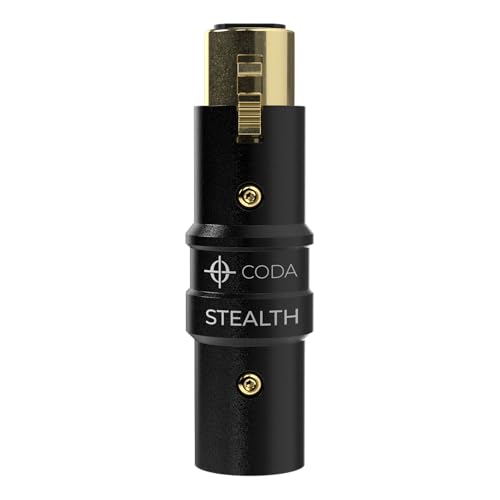
- Provides 28 dB of clean gain
- Matte-black aluminum housing
- Low-noise design for dynamic and ribbon mics
Best For: Minimalist streaming and podcast setups
Best Desk-Friendly Option

- Adds 25 dB of clean gain
- Compact metal chassis with XLR I/O
- Supports dynamic and passive ribbon mics
Best For: Home studios and livestreaming desks
Best Inline Upgrade

- Adds up to 28 dB of clean gain
- Slim all-metal inline XLR design
- Built for dynamic and passive ribbon microphones
Best For: Simple podcast and vocal setups needing compact inline gain
Best Versatile Preamp

- 0–72 dB adjustable gain range
- -120 dBV EIN for low-noise operation
- USB-C power, dual outputs, and instrument input
Best For: Streaming and recording setups requiring flexible gain and connectivity
Best Budget Studio Control

- 19–66 dB practical gain range
- -120 dBV EIN specification
- XLR, TRS, and TS output options with USB-C power
Best For: Affordable vocal or instrument recording with flexible line outputs
Best Overall – Cloudlifter CL-1
If you need a microphone preamp for SM7B-style dynamic microphones, the Cloudlifter CL-1 is a straightforward way to add clean gain before your main interface or mixer. It uses phantom power to provide up to 25 dB of boost without passing phantom power to the connected passive microphone.
Best For: Home studios, podcasts, streaming, voiceover, and recording setups using passive dynamic or ribbon microphones.
Pros:
- Adds up to +25 dB of microphone gain.
- Uses standard +48V phantom power from the input device.
- Designed to preserve microphone character while improving signal strength.
- Compatible with passive ribbon microphones because phantom power is not passed through.
Cons:
- Requires an external source of phantom power.
- Its single-channel design may not suit multi-microphone setups.
The CL-1 is a practical choice when your interface struggles to provide enough gain for an SM7B or another low-output passive microphone. Its simple XLR-based design makes it easy to place between the microphone and preamp.
Best Compact Option – Triton Audio FetHead
The Triton Audio FetHead is an in-line microphone preamp designed for adding amplification without taking up much space. For anyone comparing a microphone preamp for SM7B setups, its low-noise Class-A JFET design and shielded enclosure make it a focused option for a clean signal path.
Best For: Users seeking a compact in-line preamp with Class-A JFET amplification.
Pros:
- Uses a low-noise Class-A JFET amplifier.
- Features a double single-ended amplifier topology.
- Includes a shielded enclosure.
- Uses four matched JFETs.
Cons:
- The supplied notes do not specify the amount of gain.
- The product details do not describe connector or phantom-power behavior.
The FetHead is worth considering when size and amplifier design are priorities. Before buying, confirm its connection and power requirements against your interface and microphone chain.
Best Value Booster – FC-1 Dynamic Mic Preamp
The FC-1 is a dedicated gain booster for dynamic and ribbon microphones, making it a relevant microphone preamp for SM7B users who need more level from a low-output source. It uses 48V phantom power from an audio interface or external supply to deliver up to 25 dB of gain, but it does not generate phantom power itself.
Best For: Podcasters, streamers, broadcasters, and live performers using dynamic or ribbon microphones.
Pros:
- Provides up to 25 dB of gain using 48V phantom power.
- Designed to improve signal strength and gain before feedback.
- Suitable for studio, broadcast, live sound, and streaming applications.
- Compatible with Cloudlifter, Shure SM7B, and Electro-Voice RE20 setups.
Cons:
- Does not supply phantom power; the interface or another source must provide it.
- Not compatible with condenser microphones.
The FC-1 offers the core function many SM7B chains need: additional clean gain ahead of the interface input. Its stated compatibility and live-sound focus make it a flexible choice for both spoken-word and performance applications.
Best Full Interface – Audient iD4 MKII
Rather than adding an in-line booster, the Audient iD4 MKII provides a complete USB recording interface with a Class-A microphone preamp. It can suit a microphone preamp for SM7B workflow when you also need computer connectivity, monitoring, and a compact desktop recording hub.
Best For: Home recordists who need a USB interface, Class-A preamp, headphone monitoring, and computer or iOS compatibility.
Pros:
- Includes a Class-A microphone preamplifier based on Audient’s ASP8024 console design.
- Uses a high-speed USB-C connection.
- Offers two headphone outputs and monitor mix and panning functions.
- Supports Mac, PC, and iOS devices with up to 96 kHz operation.
Cons:
- It is a full audio interface rather than a simple in-line gain booster.
- The supplied notes do not specify its maximum microphone gain for the SM7B.
The iD4 MKII makes the most sense if you are building or replacing an entire recording interface, not just solving a gain shortage. Its Class-A preamp, USB-C connection, and monitoring features provide a broader studio setup than a standalone activator.
Best High-Gain Pick – StudioMan DPM1 XLR Preamp
If your SM7B or another low-output dynamic microphone leaves your interface gain nearly maxed out, the StudioMan DPM1 is a practical microphone preamp for SM7B setups. It adds up to 29 dB of clean gain and requires 48V phantom power from your interface or mixer, while keeping phantom power from reaching the connected microphone.
Best For: Podcasters, streamers, and studio users who need substantial gain from a compact XLR inline booster.
Pros:
- Provides up to 29 dB of clean, transparent gain.
- Designed for dynamic and passive ribbon microphones, including SM7B-style applications.
- Metal housing helps with durability and interference shielding.
- Includes a one-year warranty and 24/7 technical support.
Cons:
- Requires 48V phantom power, which is not included.
- Not suitable for condenser microphones.
The DPM1 is a strong choice when you want maximum signal lift without replacing your audio interface. Confirm that your interface supplies phantom power and use it only with compatible dynamic or ribbon microphones.
Best Compact Design – Coda MB-Stealth Inline Preamp
The Coda MB-Stealth is a compact microphone preamp for SM7B users who want 28 dB of additional gain from an inline XLR device. It uses 48V phantom power from an audio interface and is intended for dynamic and ribbon microphones rather than condensers.
Best For: Streamers, podcasters, and recording setups that prioritize a discreet matte-black design and low-noise operation.
Pros:
- Delivers 28 dB of ultra-clean gain.
- Specified with a -70 dB noise rating for a quieter signal path.
- Compact aluminum housing suits minimalist microphone setups.
- Supports standard XLR connections and 20 Hz–20 kHz frequency response.
Cons:
- Needs 48V phantom power from the connected interface or mixer.
- Does not work with condenser microphones.
- Designed as a single-channel inline booster.
With nearly the same gain range as larger inline boosters, the MB-Stealth emphasizes a small footprint and understated appearance. It is a sensible fit for an SM7B chain when your interface has phantom power but needs more clean gain.
Best Desk-Friendly Option – StudioMan CL-100 XLR Preamp
The StudioMan CL-100 offers 25 dB of gain for an SM7B or other low-output dynamic microphone. As a microphone preamp for SM7B setups, it connects between the microphone and interface or mixer through balanced XLR connections and uses compatible 48V phantom power.
Best For: Home studios, livestreaming desks, and mobile recording setups that need a durable, space-conscious signal booster.
Pros:
- Adds 25 dB of clean gain for dynamic and passive ribbon microphones.
- Uses standard XLR input and output connections.
- Compact metal housing provides portability and EMI/RFI shielding.
- Includes a one-year warranty and 24/7 technical support.
Cons:
- Offers less gain than the 28 dB and 29 dB options in this roundup.
- Requires compatible 48V phantom power.
- Not intended for condenser microphones.
The CL-100 is a practical middle-ground option: it supplies meaningful gain while keeping the footprint small and the housing rugged. Choose it when 25 dB is sufficient and a desk-friendly metal enclosure matters.
Best Inline Upgrade – DM1 Dynamite
If you need a compact microphone preamp for SM7B-style dynamic microphones, the sE Electronics DM1 Dynamite adds up to 28 dB of clean, transparent gain before the signal reaches your interface. Its inline XLR design is easy to add to an existing vocal, podcasting, or live-sound setup.
Best For: Podcasters and vocalists who want straightforward, low-profile gain for dynamic or passive ribbon microphones.
Pros:
- Provides up to 28 dB of clean, natural gain.
- Ultra-slim metal housing adds little bulk to an XLR chain.
- Gold-plated XLR connectors and transformerless FET circuitry support a reliable, low-noise signal.
Cons:
- Offers less maximum gain and fewer controls than the larger RO-04 and RO03 units.
- Designed for dynamic and passive ribbon microphones, not as a general instrument preamp.
The DM1 Dynamite is the simplest choice here for adding clean gain without replacing your interface or adding a full-size desktop unit. It is especially practical when portability and minimal setup complexity matter.
Best Versatile Preamp – RO-04 Mic Preamp
The RO-04 is a flexible microphone preamp for SM7B setups that need substantial, adjustable gain. Its 0–72 dB range, -120 dBV EIN specification, dual outputs, and USB-C power support make it suited to desktop recording as well as mobile streaming.
Best For: Streamers, podcasters, and home-recording users who need high gain, flexible output matching, and support for both microphones and instruments.
Pros:
- Offers a wide 0–72 dB adjustable gain range for low-output dynamic microphones.
- Uses a stated -120 dBV EIN specification for a low-noise signal path.
- Includes separate microphone and 1 MΩ instrument inputs, 48V phantom power, and USB-C power-bank support.
Cons:
- Its 2.42-pound, desktop-style housing is less compact than an inline preamp.
- The feature set may be more than needed for a basic single-microphone setup.
Choose the RO-04 when flexibility matters as much as gain. It can accommodate demanding dynamic microphones such as the SM7B while also supporting instruments, mobile streaming devices, and conventional computer interfaces.
Best Budget Studio Control – RO03 Mic Preamp
The upgraded RO03 is a practical microphone preamp for SM7B users who want more gain control than a basic inline booster provides. It delivers 19–66 dB of stated gain, a -120 dBV EIN specification, and multiple output formats for connection to an audio interface or mixer.
Best For: Budget-conscious vocal and instrument recording setups that can connect to an interface’s TRS line input.
Pros:
- Provides a usable 19–66 dB gain range with the stated 2026 noise reduction update.
- Offers XLR, TRS, and TS output options with +4 dBu and -10 dBV levels.
- USB-C power improves portability, while the 1 MΩ instrument input supports DI use.
Cons:
- The microphone and instrument inputs cannot operate simultaneously.
- The manufacturer recommends a TRS line-input connection for the lowest noise, which may require a suitable cable and compatible interface.
- It has fewer input-routing options than the RO-04.
The RO03 is a strong fit when you want substantial gain and flexible line-level connectivity at a lower-budget position. Its best results depend on following the recommended TRS line-input connection, particularly in a quiet SM7B recording chain.
How We Picked the Best Microphone Preamp for Sm7b
We focused on the factors that matter most with the SM7B: available clean gain, noise performance, connection type, phantom-power behavior, build quality, and ease of setup. The selection includes inline gain boosters, standalone preamps, and audio interfaces so you can compare like-for-like solutions as well as complete recording upgrades.
Inline units are especially useful when your existing interface sounds good but lacks enough microphone gain. Full preamps and interfaces make more sense when you also need monitoring controls, instrument inputs, multiple recording features, or broader studio flexibility.
Quick Comparison
| Type | Best for | Main advantage | Potential limitation |
|---|---|---|---|
| Inline activator | Existing interface or mixer | Simple, compact gain boost | Usually needs phantom power |
| Inline preamp | Podcasts, streaming, voice recording | Low-cost, low-complexity setup | Adds no full interface functions |
| Audio interface | Home studios and creators | Preamp, conversion, monitoring, and USB in one | More expensive and less portable |
| Adjustable studio preamp | Flexible recording systems | More control over gain and routing | May require additional equipment |
Key Buying Factors for a Microphone Preamp for Sm7b
Clean Gain
Look for enough usable gain to bring the SM7B to a healthy recording level without excessive hiss. Around 20–30 dB of additional gain is often useful, but the exact requirement depends on your speaking volume, microphone distance, and interface.
Phantom-Power Requirements
Many inline boosters use 48V phantom power from the interface while passing it safely to a dynamic microphone. Confirm that your interface or mixer supplies phantom power, and check the product documentation before connecting ribbon microphones or unusual signal chains.
Noise and Headroom
Extra gain is only helpful if it remains clean. Consider the preamp’s noise specification, available headroom, and how it behaves when driven hard. A quieter unit can make a noticeable difference in spoken-word recordings and intimate vocal work.
Connections and Setup
Most options here use balanced XLR connections. Check cable length, available space behind your microphone, phantom-power compatibility, and whether the unit’s added length or weight will be practical on a boom arm.
Who Should Buy Which Microphone Preamp for Sm7b?
Choose an inline booster if you already own an interface or mixer and simply need more gain. The Cloudlifter, FetHead, Dynamite, and similar compact models are convenient for podcasting, streaming, and voice recording.
Choose an audio interface if you need a complete USB recording solution with monitoring, headphone output, and additional inputs. An interface can be better value than pairing a basic interface with a separate booster.
Choose an adjustable standalone preamp if you want broader control, very high gain, or compatibility with several microphone types and instruments. These units suit users building a more flexible studio system.
Before buying, verify your current interface’s maximum gain and noise level. If it already provides sufficient clean gain, a preamp may not improve the recording; if it struggles near maximum, an inline booster is usually the simplest upgrade.