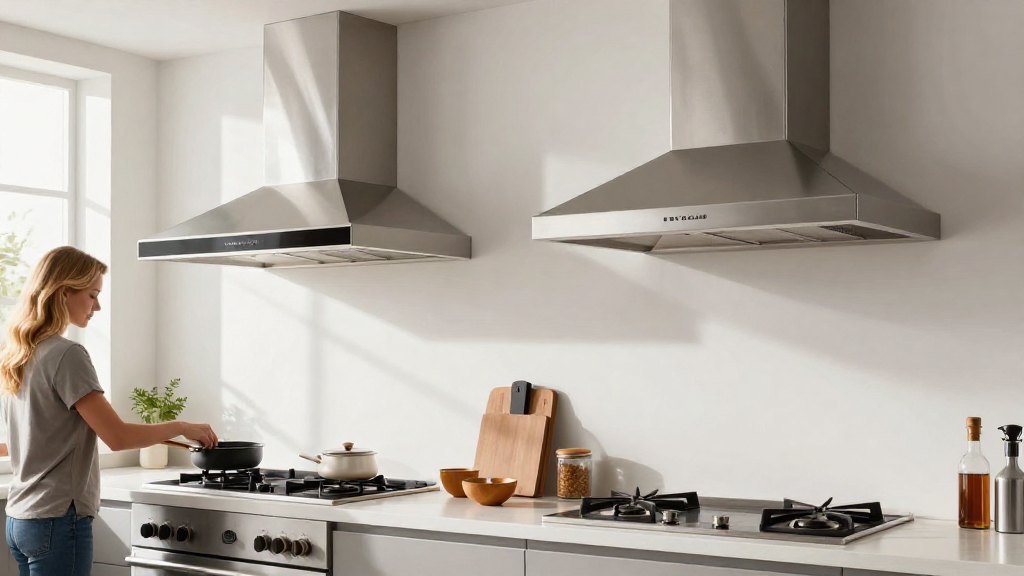
When it comes to kitchen ventilation, understanding the difference between ducted and ductless range hoods is essential for making an informed decision.
What Are Ducted Range Hoods?
Ducted range hoods, also known as vented range hoods, are appliances designed to effectively expel cooking odors, smoke, and moisture outside through a duct system. These hoods are particularly beneficial for homeowners with a proper ventilation setup.
Advantages of Ducted Range Hoods
-
Superior Air Quality
Ducted range hoods remove airborne particles and odors directly from your kitchen, resulting in cleaner air. -
Effective Smoke Removal
They are more efficient at handling smoke and steam, making them ideal for high-heat cooking. -
Variety of Styles
Ducted hoods come in various designs, including wall-mounted, under-cabinet, and island models. -
Increased Home Value
Installing a ducted range hood can enhance the resale value of your home due to their popularity and effectiveness.
Disadvantages of Ducted Range Hoods
-
Installation Complexity
The installation process can be complicated and may require professional help, especially if ductwork needs to be added. -
Cost
Ducted range hoods tend to be more expensive due to installation costs and equipment. -
Space Requirements
Ductwork takes up space and may not be feasible in some kitchen layouts.
What Are Ductless Range Hoods?
Ductless range hoods, or recirculating range hoods, filter the air in your kitchen and recirculate it back into the home. They are typically more straightforward to install since there is no need for extensive ductwork.
Advantages of Ductless Range Hoods
-
Easy Installation
These hoods can easily be mounted where ducted hoods cannot, making them a good choice for retrofitting existing kitchens. -
Cost-Effective
Generally less expensive than ducted ranges, making them ideal for tight budgets. -
Flexibility
Ductless hoods can be placed in various areas of the kitchen without the need for ducting, giving homeowners design flexibility.
Disadvantages of Ductless Range Hoods
-
Performance
They tend to be less effective at removing smoke and odors compared to ducted hoods. -
Regular Filter Changes
The filters in ductless models need to be changed regularly to maintain effectiveness, adding to maintenance costs over time. -
Limited Capacity
Most ductless range hoods are less powerful than their ducted counterparts and may struggle with high-intensity cooking.
How Do You Decide Between Ducted and Ductless Range Hoods?
Understanding the difference between ducted and ductless range hoods is critical for making a choice that suits your cooking habits and kitchen setup. Consider the following factors:
-
Kitchen Size and Layout
If you have a spacious kitchen with an easy route for ductwork, a ducted range hood may be a better option. For smaller kitchens or loft apartments, ductless might be the more practical solution. -
Cooking Style
If you frequently cook with high heat and make a lot of smoke or steam, a ducted range hood will offer superior performance. -
Budget
If you are on a limited budget, ductless range hoods can provide a compromise between functionality and cost. -
Future Renovations
If you plan to remodel your kitchen soon, consider how your choice of range hood will fit in with those plans. Ducted hoods may increase your kitchen venting options.
What Are the Key Features to Look for?
When choosing between ducted and ductless range hoods, it’s essential to evaluate several features. Here are some key considerations to help you find the right fit:
-
Suction Power
A measured in CFM (cubic feet per minute), this number indicates the hood’s airflow efficiency. Higher CFM ratings are more effective at removing airborne particles and odors. -
Noise Level
Measured in sones, consider how loud your vent fan will be during operation. Ducted hoods can be quieter, but newer ductless models also offer reduced noise levels. -
Size and Fit
The range hood should match the size of your cooktop. A standard guideline is to have a hood that is at least as wide as your range. -
Filtration Type
Ducted models will typically use aluminum or stainless steel mesh filters, while ductless filters are often made from charcoal and require regular maintenance. -
Control Options
Check if the model has intuitive control features such as touchpads, sliders, or remote controls for operational convenience. -
Design and Aesthetics
Choose a design that complements your kitchen. Both ducted and ductless options come in various styles, from minimalist to ornate.
Conclusion: Which is Better for You?
The question surrounding the difference between ducted and ductless range hoods ultimately depends on your unique kitchen needs.
Ducted range hoods excel in performance, air quality, and the ability to handle heavy cooking. However, they require more complex installation and may come at a higher cost.
On the other hand, ductless range hoods offer flexibility, affordability, and easier installation, but they may lack the effectiveness of ducted systems, especially during high-heat cooking.
Evaluate your space, budget, and cooking habits to make the best choice for your kitchen. Whichever option you choose, investing in a good range hood is crucial for maintaining a clean, healthy cooking environment.