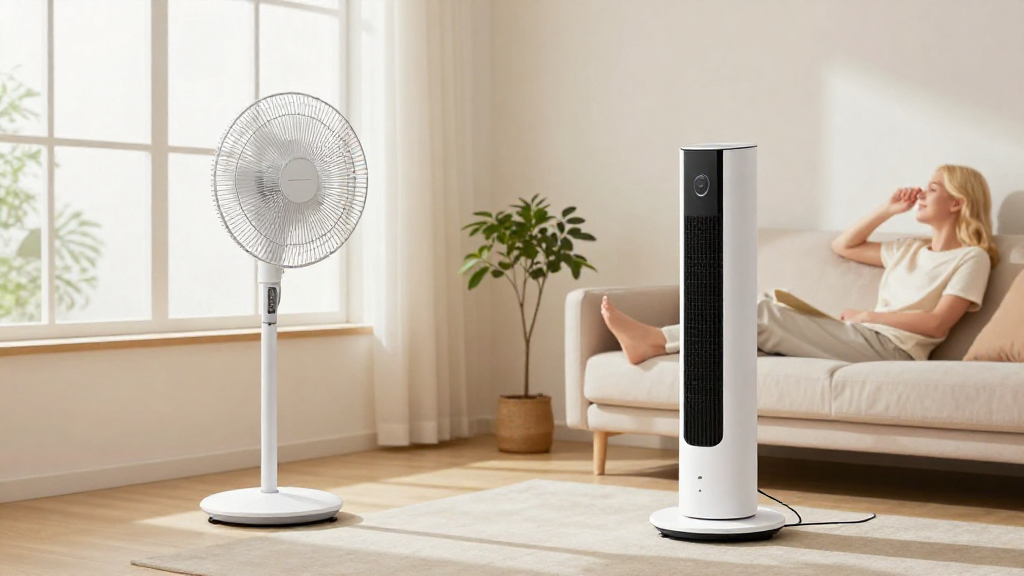
When it comes to keeping cool during sweltering months, many people find themselves asking about the difference between pedestal and tower fans.
Both types of fans are popular for their efficiency and effectiveness, but they serve different purposes and preferences.
In this article, we’ll explore the key differences, pros and cons, and help you decide which fan is right for you.
What Are Pedestal Fans?
Pedestal fans, also known as stand fans, are widely recognized for their distinctive design.
They typically feature:
- A round base that supports a tall, adjustable pole.
- A large fan head that can oscillate to circulate air over a wider area.
- Height adjustability allowing you to direct airflow depending on your needs.
Key Features:
-
Powerful Airflow: Pedestal fans generally have larger blades, which means they can move a higher volume of air. This makes them suitable for larger spaces like living rooms.
-
Oscillation: Most pedestal fans can oscillate, providing a broader coverage range.
-
Height Adjustment: With adjustable heights, pedestal fans cater to both floor-level cooling and elevated airflow.
What Are Tower Fans?
Tower fans are more modern in design and can fit seamlessly into contemporary homes.
Their main characteristics include:
- A sleek, vertical profile that saves space.
- Narrow fan blades located within a small, elongated tower shape.
- Multiple speed settings and features like timers and remote controls.
Key Features:
-
Compact Design: Tower fans occupy less floor space, making them ideal for smaller rooms, apartments, or crowded areas.
-
Quiet Operation: Many tower fans operate more quietly due to their enclosed blades and design, making them suitable for bedrooms or offices.
-
Air Purification: Some models come with built-in air purifiers or filters, adding extra benefits beyond just cooling.
What’s the Difference Between Pedestal and Tower Fans?
Now that we have a better understanding of both types, let’s delve into the difference between pedestal and tower fans.
Design and Size
-
Pedestal Fans: Bulky and taller, with a larger footprint. Suitable for spacious areas.
-
Tower Fans: Sleek and narrow. Perfect for small settings and limited spaces.
Airflow and Power
-
Pedestal Fans: Typically provide stronger airflow due to larger blades and motor capabilities. Ideal for outdoor patios or larger rooms.
-
Tower Fans: Offer gentle airflow, better for close-proximity cooling. Good for bedrooms or workspaces where noise levels should be minimized.
Mobility and Placement
-
Pedestal Fans: Heavier and less portable. Require some effort to move around, especially if repositioning frequently.
-
Tower Fans: Lightweight and easy to navigate. Can be placed in various locations with minimal effort.
Noise Levels
-
Pedestal Fans: May be louder because of their robust motors and larger blades.
-
Tower Fans: Often designed with quiet operation in mind. Suitable for noise-sensitive environments.
Aesthetic and Style
-
Pedestal Fans: More traditional and bulky in appearance. May not blend as well with modern decor.
-
Tower Fans: Modern and stylish, easily fitting into contemporary or minimalist interiors.
Which One Should You Choose?
Consider Your Space Size
If you live in a larger space, a pedestal fan might be the best choice for effectively circulating air.
For small spaces, bedrooms, or home offices, a tower fan might be more suitable because of its compact design.
Evaluate Your Cooling Needs
Think about how much cooling you need.
If powerful airflow is essential, then the pedestal fan should be your go-to option.
For moderate airflow in quieter settings, a tower fan would be sufficient.
Assess Budget and Price Range
While prices vary widely, pedestal fans can range from $30 to $100, dependent on brand and features.
Tower fans typically range from $50 to $150, offering various features that can affect the overall cost.
Prioritize Noise Levels
If you’re sensitive to noise, you will likely prefer the quieter operation of a tower fan for peaceful nights or focused work sessions.
Conversely, if you don’t mind some noise for stronger airflow, the classic pedestal fan could suit you fine.
Maintenance and Care
Regardless of which fan you choose, maintenance is crucial to ensure longevity and optimal performance.
Pedestal Fan Maintenance Tips
-
Keep Fan Blades Clean: Dust can accumulate on blades, reducing efficiency.
-
Check Screws and Bolts Regularly: Ensure everything is tight and secure to prevent rattling.
Tower Fan Maintenance Tips
-
Use a Damp Cloth to Wipe Down: The tower’s grills can accumulate dust, so cleaning them regularly will keep the air fresh.
-
Check for Filter Replacement: If your tower fan has filters for air purification, regular changes will enhance performance.
Conclusion
In summary, understanding the difference between pedestal and tower fans can significantly impact your decision-making process.
-
Pedestal fans are excellent for larger spaces with their powerful airflow and adjustable heights.
-
Tower fans shine in compact settings, providing quiet operation and modern aesthetics.
Ultimately, your choice should reflect your specific needs, be it space, budget, or personal preference.
By weighing the key differences outlined in this article, you’ll be well-equipped to choose the right fan that keeps you cool and comfortable all summer long.