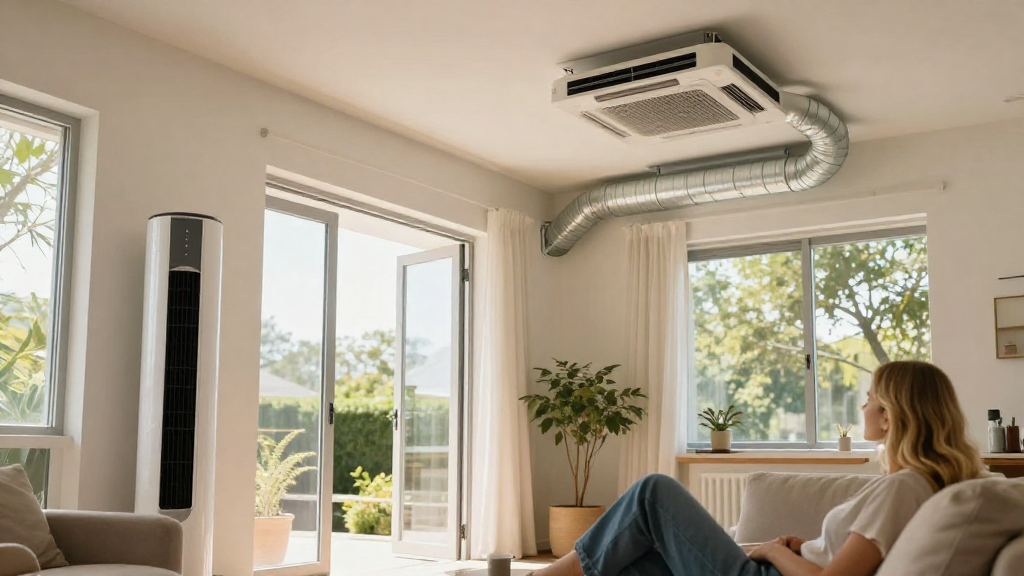
Understanding the difference between ventilation and air conditioning is crucial for anyone looking to improve their indoor air quality or comfort levels.
In this article, we will explore both systems, delineate their functionalities, and discuss when to use each one.
What is Ventilation?
Ventilation is the process of exchanging stale indoor air with fresh outdoor air.
It involves several methods including:
- Natural Ventilation: Utilizing openings like windows, doors, and vents to allow fresh air to circulate.
- Mechanical Ventilation: Using fans and air handling units to improve indoor air exchange.
The primary purpose of ventilation is to ensure a constant flow of fresh air, which is essential for:
- Reducing indoor pollutants
- Controlling humidity levels
- Maintaining overall air quality
By steadily cycling indoor air with the outdoors, ventilation helps in eliminating excess moisture, odors, and harmful contaminants.
How Does Ventilation Work?
Ventilation can be divided into two main categories:
-
Passive Ventilation: This method relies on natural forces like wind and or temperature differentials. It requires little to no mechanical intervention and is often more sustainable.
-
Active Ventilation: This involves mechanical systems such as exhaust fans, air handlers, and ducts to circulate air. Active ventilation provides controlled airflow and can be adjusted based on occupancy and air requirements.
Ventilation systems are typically used in homes, offices, and industrial spaces to facilitate air exchange and keep indoor spaces breathable.
What is Air Conditioning?
Air conditioning (AC), on the other hand, is a technology designed to cool and dehumidify indoor air using a refrigeration cycle.
Key components of an air conditioning system usually include:
- Compressor: Circulates refrigerant through the system.
- Condensing Unit: Releases heat from the refrigerant.
- Evaporator Coil: Absorbs heat from indoor air, cooling it down before circulation.
The main functions of air conditioning are:
- Cooling: Lowering indoor temperatures to make environments more comfortable, especially in hot weather.
- Dehumidifying: Removing excess humidity to prevent mold and maintain a comfortable indoor climate.
How Does Air Conditioning Work?
Air conditioning systems work by transferring heat away from the indoor space. Here’s how it typically operates:
- Warm Indoor Air is drawn into the AC unit.
- Evaporator Coils inside absorb heat, and the air cools down.
- The now-cool air is distributed back into the room.
- The absorbed heat is expelled outside via the condenser unit.
While air conditioning is often associated with cooling, modern systems frequently include built-in heating functions, allowing year-round climate control.
What’s the Difference Between Ventilation and Air Conditioning?
Now, let’s clarify the key aspects that differentiate these systems.
Purpose and Functionality
-
Ventilation is primarily about air exchange. Its main goal is to improve indoor air quality by introducing fresh air and removing stale air.
-
Air Conditioning, however, focuses mainly on temperature control and humidity reduction. It does not necessarily introduce fresh outdoor air but recirculates and conditions indoor air.
Energy Usage
-
Ventilation systems, especially those that are naturally-driven, tend to be more energy-efficient as they often rely on passive airflow.
-
Air Conditioning systems consume more energy. They operate using electricity to power the compressor and other mechanical parts, making them less energy-efficient than some ventilation methods.
Maintenance Requirements
-
Ventilation systems usually require less maintenance. For example, natural ventilation doesn’t have mechanical parts needing regular upkeep, but filters in mechanical ventilation need occasional cleaning or replacement.
-
Air conditioning systems, however, require more maintenance. This includes regular filter cleaning, annual servicing, and monitoring refrigerant levels.
Indoor Air Quality
-
With ventilation, indoor air quality is a primary benefit as it reduces levels of indoor pollutants and allergens.
-
Air conditioning may recirculate air, which can help lower airborne contaminants but doesn’t actively enhance air quality unless coupled with a ventilation system.
Temperature Control
-
Ventilation does not directly control temperature; instead, it may regulate indoor temperatures indirectly by introducing outdoor air.
-
Air conditioning systems excel at temperature regulation, providing a desired climate regardless of external conditions.
When Should You Use Ventilation vs. Air Conditioning?
Knowing when to use these systems can significantly affect your energy bills and comfort levels.
Use Ventilation When:
- You need to exchange stale air for fresh air regularly, especially in spaces with high occupancy.
- Outdoor temperatures are comfortable enough, allowing natural air to flow in.
- You want to maintain good indoor air quality and reduce moisture levels passively.
Use Air Conditioning When:
- It’s hot or humid outside, and you need to cool your indoor environment quickly.
- You require precise temperature control for climate-sensitive equipment or items.
- You need to manage excess humidity effectively.
Conclusion: Making the Right Choice for Your Space
Understanding the difference between ventilation and air conditioning is essential for optimizing indoor air quality and comfort.
In summary:
- Ventilation is best for air quality and fresh air exchange.
- Air Conditioning provides effective cooling and dehumidifying capabilities.
Ultimately, incorporating both systems may provide the best environment, combining quality air flow with controlled temperature regulation.
Whether you’re renovating your home, designing a new office, or simply considering options for climate control, grasping these essentials will lead to informed decisions that cater to your specific needs.
By evaluating your space and understanding both ventilation and air conditioning, you can create a comfortable, healthy, and energy-efficient indoor environment for yourself and others.