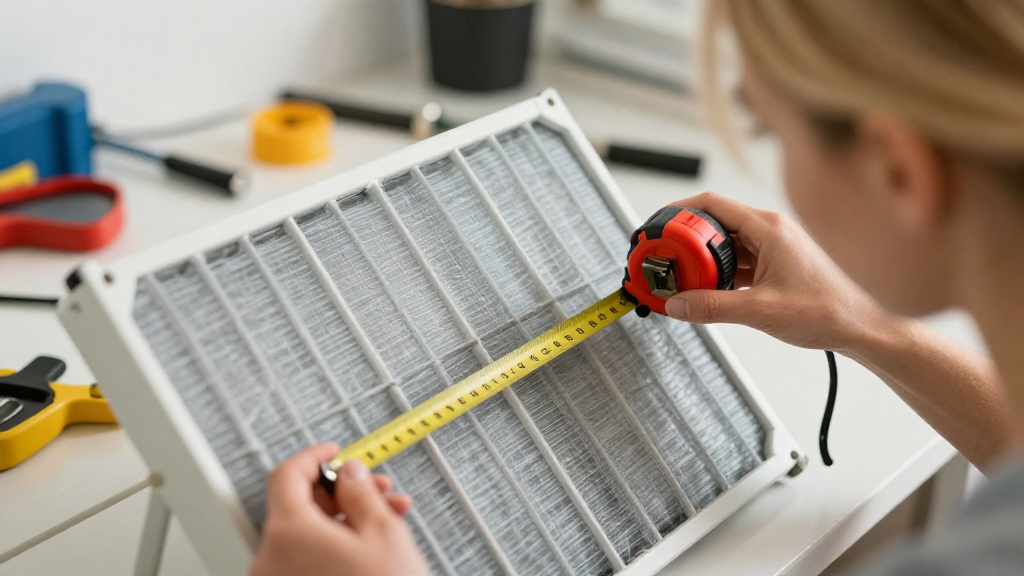
When it comes to maintaining your HVAC system, knowing how to check HVAC filter size is essential for optimal performance and efficiency.
Why Is It Important to Know Your HVAC Filter Size?
Understanding the dimensions of your HVAC filter has several advantages:
-
Improved Air Quality: A properly sized filter ensures that it can capture dust, allergens, and pollutants effectively.
-
System Efficiency: Filters that are too small or too large can compromise airflow, leading to higher energy bills and potential system damage.
-
Prolonged Equipment Life: Replacement of the correct size filter can extend the lifespan of your HVAC unit and reduce maintenance costs.
How Do I Determine the Right HVAC Filter Size?
Determining the correct HVAC filter size involves a few straightforward steps:
1. Look for the Filter Size on the Current Filter
Often, the easiest way to find the HVAC filter size is to check the existing filter.
- Remove the Filter: Turn off your HVAC system and locate the filter compartment, usually near the air handler or the furnace.
- Check the Label: Most filters have the dimensions printed on the frame. Look for a series of numbers in inches such as 16x20x1 or 20x25x1.
- Record the Size: Note the size for future reference and replacements.
2. Find the Owner’s Manual
If the label on your current filter is unreadable or missing, check your HVAC system’s owner’s manual.
- Locate the Manual: If you don’t have a physical copy, see if it’s available online by searching for your HVAC model number.
- Review Filter Specifications: The manual typically lists the recommended filter sizes, types, and maintenance instructions.
3. Use a Measuring Tape
When necessary, you can measure the filter compartment directly.
- Gather Your Tools: A measuring tape, pencil, and paper will help you note down the dimensions.
- Measure Length and Width: Measure the length and width of the filter slot. Also, measure the thickness; common measurements are 1″, 2″, or 4″.
- Record Dimensions: Write down your measurements in inches (length x width x thickness) for accuracy.
4. Consider Common HVAC Filter Sizes
If you are unable to find the right size, familiarize yourself with the most common filter sizes to eliminate guesswork.
- Standard Sizes Include:
- 16x20x1
- 20x20x1
- 20x25x1
- 16x25x1
- 14x20x1
These sizes are quite popular and can cover a significant number of units, but prior confirmation is always advisable.
What If I Can’t Find the Right Size?
If after checking your filter, manual, and measuring you still can’t determine the right size, there are several other methods to consider:
1. Contact Your HVAC Technician
A professional HVAC technician has the experience and tools to find the correct filter size for you.
- Schedule a Service Call: They can make recommendations on filter types and sizes based on your system.
2. Visit Your Local HVAC Supply Store
Local HVAC suppliers often have knowledgeable staff who can assist you in finding the right filter.
- Ask for Help: Bring your measurements, and they can help suggest the best filter size available.
3. Utilize Online Resources
Several HVAC websites and forums provide resources for identifying HVAC filter sizes.
- Post Your Query: If you can provide details about your system model, community members might help with your specific filter size.
4. Review Online Product Listings
Many retailers provide guidance on HVAC filters for different models.
- Search by Your Unit Model: Check the specifications listed online to match your system with the correct filter size.
How Often Should I Check My HVAC Filter Size?
Knowing how to check HVAC filter size is important, but it’s equally critical to regularly maintain and replace filters.
1. Recommended Check Frequency
-
Monthly Checks: Check your filter at least once a month, especially during high usage seasons like summer and winter.
-
Replace as Needed: Depending on your filter type and air quality, you may need to replace it every 1-3 months.
2. Signs It’s Time to Replace
Watch for the following signs indicating that your filter needs replacement:
-
Visible Dust Buildup: If dirt covers the filter, it requires replacement.
-
Higher Energy Bills: A clogged filter can cause your HVAC system to work harder, increasing utility costs.
-
Unusual Noises: Hissing or rattling noises from your HVAC unit may indicate that airflow is restricted due to a dirty filter.
What Are the Different Types of HVAC Filters?
When you know how to check HVAC filter size, understanding filter types is essential for optimal performance.
1. Fiberglass Filters
-
Affordability: These are generally low-cost.
-
Efficiency: Good for basic dust removal; however, they aren’t effective for small particles.
2. Pleated Filters
-
Higher Efficiency: Better at trapping dust and allergens compared to fiberglass.
-
Longer Life: They typically last longer than standard filters.
3. HEPA Filters
-
Medical Grade: High-Efficiency Particulate Air (HEPA) filters are among the most effective at capturing very small particles.
-
Cost: They can be more expensive but are ideal for allergy sufferers.
4. Electrostatic Filters
-
Charge Built-In: These filters attract dust particles through static electricity.
-
Reusable: Many models are washable and reusable, leading to savings in filter replacement costs.
Conclusion
Knowing how to check HVAC filter size is crucial for maintaining healthy air quality and system efficiency.
Whether you rely on the labels, manuals, or measurements, taking the time to confirm filter sizes ensures your HVAC system operates smoothly.
Regularly monitoring and replacing your filters will not only improve your HVAC efficiency but also contribute to a healthier home environment.
For those unsure how to find the right HVAC filter size, don’t hesitate to contact a professional or consult with local suppliers.
By investing a little time in filter upkeep, you can enjoy clean air and extend the life of your HVAC system.
Make sure to keep this guide handy for your next HVAC maintenance check!