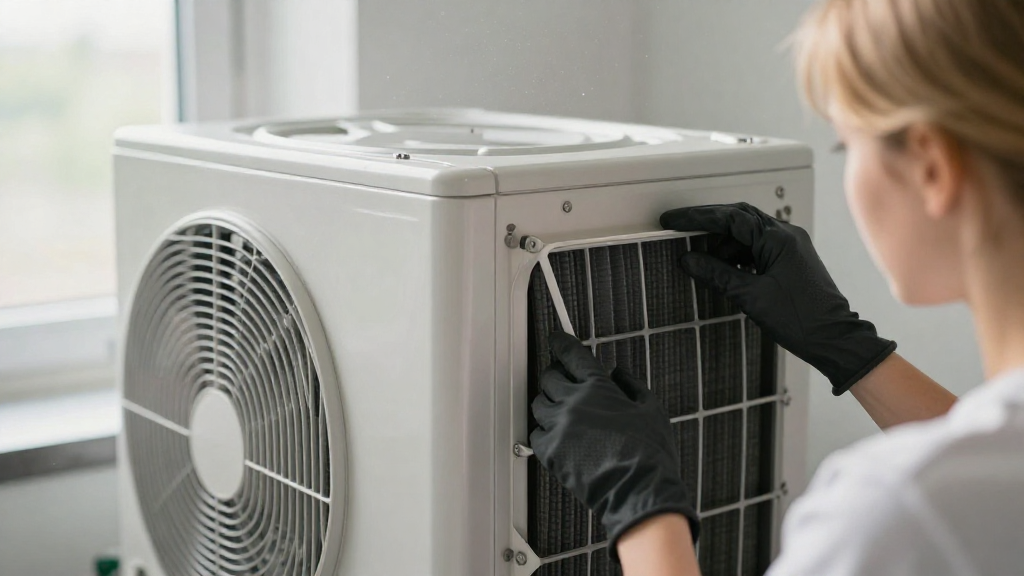
Keeping your air handler clean is essential for the efficiency and longevity of your HVAC system.
In this article, we will guide you step-by-step on how to clean an air handler safely and effectively.
Why is it Important to Clean Your Air Handler?
Cleaning your air handler can lead to multiple benefits:
- Improved Efficiency: A clean air handler operates more efficiently, which can lower your energy bills.
- Better Air Quality: Dust and contaminants can accumulate over time, affecting the air quality in your home.
- Extended Lifespan: Regular maintenance can extend the life of your HVAC system.
- Reduced Allergens: Keeping your air handler clean helps minimize allergens, providing a healthier indoor environment.
Now that we understand the importance of cleaning, let’s explore how to clean an air handler in a safe manner.
What Supplies Do You Need?
Before you start the cleaning process, gather the necessary supplies:
- Vacuum cleaner with a hose attachment
- Soft brush for dusting
- Mild detergent or a suitable all-purpose cleaner
- Microfiber cloths for cleaning surfaces
- Water for rinsing
- Spray bottle for cleaning solution
- Safety goggles and gloves for protection
Having these items ready will make the cleaning process smoother.
When is the Best Time to Clean Your Air Handler?
Choosing the right time for cleaning can yield better results.
Here are some considerations:
- Before Seasonal Changes: Clean your air handler before summer and winter to ensure your HVAC system runs smoothly.
- After Construction or Renovation: Dust from construction can settle in your air handler, making it essential to clean it afterward.
- Every 6-12 Months: Regular maintenance every 6 to 12 months helps in keeping the air handler clean.
How to Safely Clean an Air Handler?
Step 1: Turn Off the Power
Before starting any cleaning, ensure your safety by:
- Turning off the power at the furnace switch or circuit breaker.
- Disconnecting the power supply to avoid any electrical hazards.
Step 2: Access the Air Handler
To effectively clean, you will need to reach the air handler.
Follow these steps:
- Remove access panels carefully.
- Check the user manual to know how to access and remove panels properly.
Step 3: Vacuum the Inside
Vacuuming helps remove dust and debris.
Use the vacuum cleaner’s hose attachment:
- Carefully clean the blower motor and fan.
- Remove dirt and debris from coils, filters, and the drain pan.
- Be gentle to avoid damaging sensitive components.
Step 4: Clean the Coils
Dirty coils can hinder efficiency.
Here’s how to clean them:
- Use a soft brush to remove dust from the coils.
- Spray a mild detergent solution on the coils.
- Let it sit for a few minutes and then rinse with water.
- Dry thoroughly to prevent mold growth.
Step 5: Clean the Drain Line
A clogged drain line can lead to water damage.
Follow these steps:
- Locate the drain line and inspect for any blockages.
- Use a wet/dry vacuum to remove debris.
- Flush with water to ensure it’s clear.
Step 6: Change or Clean the Filter
Filters play a vital role in maintaining air quality.
Check your filter (usually located near the air handler):
- If it’s reusable, clean it with warm water and allow it to dry completely.
- If it’s disposable, replace it with a new filter that fits correctly.
Step 7: Reassemble the Air Handler
After cleaning, it’s time to reassemble:
- Put back all access panels securely.
- Ensure power disconnects are restored.
- Double-check connections and components for proper fitting.
Step 8: Turn On the Power and Test
You’re almost done! Now it’s time to test the air handler:
- Turn the power back on at the circuit breaker.
- Run the system for a few minutes.
- Check for unusual noises or air leaks.
Should You Hire a Professional for Air Handler Cleaning?
While the above steps guide you on how to clean an air handler yourself, there may be cases where professional help is advisable:
- Complex Systems: Larger or more complicated HVAC systems may require professional cleaning.
- Allergies and Health Concerns: If you suffer from health issues related to air quality, hiring a professional could ensure thorough cleaning.
- Regular Maintenance: Some service providers offer annual contracts for regular maintenance, allowing you to set and forget your HVAC cleaning schedule.
Conclusion
In conclusion, learning how to clean an air handler safely is vital for maintaining your HVAC system’s efficiency and ensuring healthy air quality in your home.
By following these steps and using the right tools, you can confidently tackle this task.
Regular cleaning will not only improve air quality but also help extend the life and performance of your air handler, resulting in a comfortable living environment.
For greater peace of mind, consider complementing your efforts with regular professional inspections and cleanings for your HVAC system.
Feel free to bookmark this article as a handy reference for all your air handler cleaning needs!