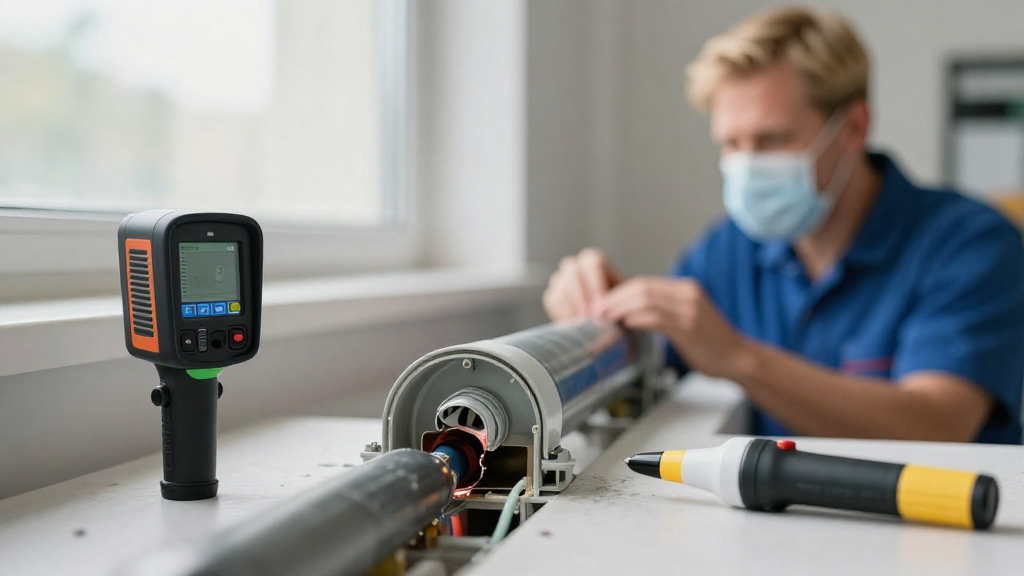
Air leaks in your HVAC ducts can lead to significant energy loss, increased utility bills, and a decrease in indoor comfort.
Knowing how to detect air leaks in ducts can save you time and money while improving the efficiency of your HVAC system. In this article, we’ll explore various methods to identify these leaks and provide you with practical solutions for sealing them up.
What Are HVAC Duct Air Leaks?
Before diving into how to detect air leaks in ducts, let’s understand what they are.
Air leaks occur when conditioned air escapes from your duct system through holes, gaps, or poorly connected joints.
These leaks can be found in various places, including:
- Joints and seams: Where two duct sections connect.
- Around vents: Where ducts exit your walls or ceilings.
- In HVAC equipment: Such as furnaces or air conditioners.
These leaks can account for 20% to 30% of the energy consumption in a typical HVAC system, leading to hefty utility bills.
Why Is It Important to Detect Air Leaks in Ducts?
Identifying air leaks is crucial for several reasons:
- Energy Efficiency: Finding and sealing leaks can improve your HVAC system’s energy efficiency, reducing energy costs.
- Comfort Levels: Properly sealed ducts ensure consistent heating and cooling throughout your home, enhancing your comfort.
- Indoor Air Quality: Leaky ducts can draw in unconditioned air from dirty spaces, impacting your indoor air quality.
Understanding how to detect air leaks in ducts not only supports energy efficiency but also helps ensure a healthy living environment.
How Can You Spot Air Leaks in Your Ducts?
There are several techniques to identify air leaks effectively. Here are some of the most common methods:
1. Visual Inspections
The simplest method for how to detect air leaks in ducts involves a thorough visual inspection.
Look for these signs:
- Rust or corrosion: Ducts made of metal may show rust, indicating moisture and potential leaks.
- Cracks or holes: Inspect the entire ductwork for visible cracks or holes.
- Disconnected ducts: Ensure all connections are tight and secure.
2. Use of Smoke
Another effective technique to detect air leaks in your ducts is by using smoke.
Here’s how:
- Create smoke: You can use a smoke pencil or incense stick.
- Move along the ducts: With the HVAC system running, move the smoke source along the duct seams, joints, and connections.
If you see the smoke being pulled away or blowing into the surrounding area, you’ve found a leak.
3. Pressure Testing
Pressure testing is a more advanced technique for how to detect air leaks in ducts.
You can hire a professional or rent pressure testing equipment to perform this method.
The process includes:
- Sealing all vents: Close all registers and vents.
- Measuring pressure: Use a manometer to measure the pressure inside the duct system.
If the pressure is significantly lower than the home’s ambient air pressure, it’s likely there are leaks present.
4. Infrared Thermography
Infrared cameras can be very effective in identifying temperature differences that indicate air leaks.
Using this method involves:
- Scanning the ductwork: With an infrared camera, look for temperature variations along the ducts.
- Identifying spots: Hot or cold spots can signal where air is escaping or entering.
Though this method can be costly, it’s highly efficient in pinpointing issues.
How Do You Seal Air Leaks in Ducts?
Once you’ve detected air leaks in your ducts, sealing them effectively is crucial for optimizing your HVAC system. Here are some methods to seal the leaks:
1. Mastic Sealant
Mastic sealant is a thick, gooey material that can be applied to joints and seams.
- Apply with a brush: Use a brush or your fingers to spread the mastic over the leak.
- Allow to dry: Let it cure for several hours as per the manufacturer’s guidelines.
2. Duct Tape
While not a long-term solution, quality duct tape can temporarily seal minor leaks.
- Ensure a tight fit: Make sure the tape adheres completely to clean, dry surfaces.
- Monitor regularly: Check frequently as duct tape can lose its stickiness over time.
3. Foil Tape
Foil tape is another option for sealing air leaks.
- Use for smooth surfaces: Ideal for metal ductwork, foil tape provides a secure, durable seal.
- Apply along joints: Use it to cover any exposed joints effectively.
4. Replacement Ducts
In cases where ducts are too damaged or corroded, replacing sections may be necessary.
- Consult a professional: If damage is extensive, hiring a professional may ensure the job is done right.
5. Insulation
Insulating ducts, especially those in unconditioned spaces, can prevent leaks while also enhancing energy efficiency.
- Use fiberglass insulation: Wrap ducts with fiberglass insulation to minimize air loss.
When Should You Call a Professional?
While many of these methods to detect and seal air leaks can be done as DIY projects, some situations require professional intervention.
Consider calling an HVAC specialist if:
- You can’t find the leaks: If you’re unable to identify where the leaks are coming from.
- Damage is extensive: If your ducts are showing significant signs of damage or corrosion.
- You need a thorough inspection: Professionals have the tools and expertise to conduct a comprehensive assessment.
Conclusion
Knowing how to detect air leaks in ducts is critical in maintaining energy efficiency and comfort in your home.
By applying visual inspections, smoke testing, pressure testing, and infrared thermography, you can identify where your HVAC system is losing energy.
Once leaks are detected, sealing them with mastic or foil tape, or considering complete replacement where necessary, can restore your system’s efficiency.
Regular checks can save you money while improving indoor air quality and ensuring a comfortable living environment.
If the situation seems beyond your expertise, don’t hesitate to contact a professional. Taking action today can lead to significant long-term savings!
Remember, sealing those air leaks isn’t just about cutting costs—it’s about creating a healthier, more comfortable home for you and your loved ones.