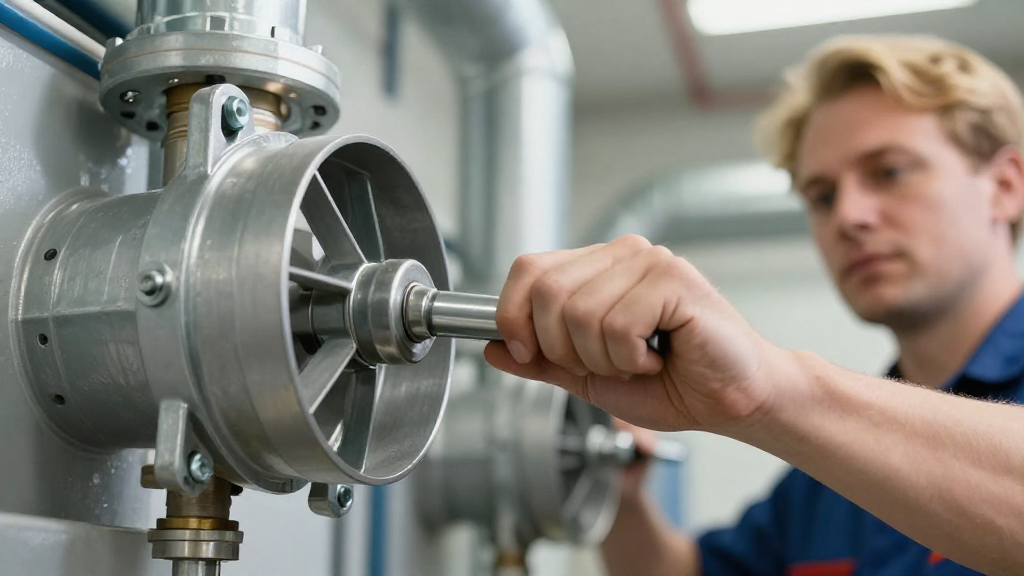
If you’re wondering how to manually open an HVAC damper, you’ve come to the right place! In this article, we’ll walk you through the steps to effectively open your HVAC damper, ensuring your heating and cooling systems operate efficiently.
What is an HVAC Damper?
An HVAC damper is a device that regulates airflow in your heating, ventilation, and air conditioning system.
These dampers can be manual or automatic, and they play a crucial role in controlling the temperature and humidity in your home.
When they are open, air can flow freely; when they are closed, airflow is restricted.
Why Might You Need to Manually Open an HVAC Damper?
You might find yourself needing to open an HVAC damper manually for several reasons:
- Improving Airflow: Sometimes, certain rooms may feel stuffy or too warm because the dampers are closed.
- Routine Maintenance: Regularly checking dampers is essential for optimal HVAC performance.
- Energy Efficiency: Proper airflow can lead to more efficient heating and cooling, saving you money on energy bills.
How Do You Know if Your Damper is Closed?
Understanding the status of your HVAC damper is crucial before attempting to open it:
- Feel for Airflow: Walk by the vent and see if you feel air coming out. If there’s little to no airflow, your damper may be closed.
- Listen: Turn on the HVAC system and listen for sound variations. A closed damper may create a noticeable difference in sound.
- Visual Check: If accessible, look at the damper itself. Many dampers have visible indicators that show if they are open or closed.
How to Manually Open an HVAC Damper: Step-by-Step Guide
Now, let’s dive into the practical steps on how to manually open an HVAC damper:
Step 1: Locate the HVAC Damper
To begin, you’ll need to locate your HVAC damper.
- Ductwork Access: Dampers are typically found within the ductwork of your HVAC system.
- Vents: You might also find dampers near your supply vents or returns.
Step 2: Inspect the Damper
Once you find the damper, take a minute to inspect it:
- Is it Accessible?: Ensure you can safely reach the damper without obstruction.
- Condition Check: Look for any damages like rust or dirt that could affect its operation.
Step 3: Identify the Type of Damper
Understanding the type of damper will assist you in determining how to open it.
- Rotary Dampers: These have a lever or handle. Simply turn or pull the lever to open.
- Sliding Dampers: These dampers slide open or closed. Pull or push the damper to open it.
Step 4: Open the Damper Manually
Here’s how to proceed with opening the damper:
-
For Rotary Dampers:
– Locate the lever or handle.
– Turn it counterclockwise to open the damper fully. -
For Sliding Dampers:
– Gently grasp the edges.
– Slide the damper to the side to expose the opening.
Step 5: Check the Settings
After opening the damper, make sure to:
- Verify Airflow: Return to your vents and feel for improved airflow.
- Adjust If Necessary: Depending on the results, you may wish to adjust the damper more.
What If the Damper is Stuck?
Sometimes, an HVAC damper may become stuck due to rust or debris. If you find this happening, follow these tips:
- Use Lubricant: Apply a silicone-based lubricant to loosen the mechanism.
- Gentle Force: Carefully apply pressure to unstick a sliding damper.
- Seek Professional Help: If you’re unable to open it, a professional HVAC technician can assist.
Common Mistakes When Opening Dampers
Avoid these common pitfalls when learning how to manually open an HVAC damper:
- Forceful Opening: Do not use excessive force, as this can cause damage.
- Ignoring System Status: Always ensure the HVAC system is on when inspecting dampers.
- Neglecting Regular Inspection: Make it a habit to check your dampers periodically to maintain efficiency.
When Should You Call a Professional?
While knowing how to manually open an HVAC damper is helpful, there are instances when it’s best to consult with a technician:
- Complex Duct Systems: If you’re dealing with a complicated system, professional help is recommended.
- Persistent Airflow Issues: If airflow problems persist, it may signal deeper HVAC issues.
- Dampers with Electrical Components: If your dampers are electric, it’s safer to have a technician handle them.
Conclusion: Ensure Optimal HVAC Performance
Learning how to manually open an HVAC damper can greatly enhance your home’s comfort and energy efficiency.
By following the steps outlined above, you can easily check, maintain, and open your dampers when necessary.
Regular inspections and knowledge about your HVAC system will help you create a more comfortable living environment.
If you encounter any issues beyond basic manual operation, don’t hesitate to reach out to a professional.
Optimizing your HVAC performance today will pay off in a cozy, energy-efficient home tomorrow!