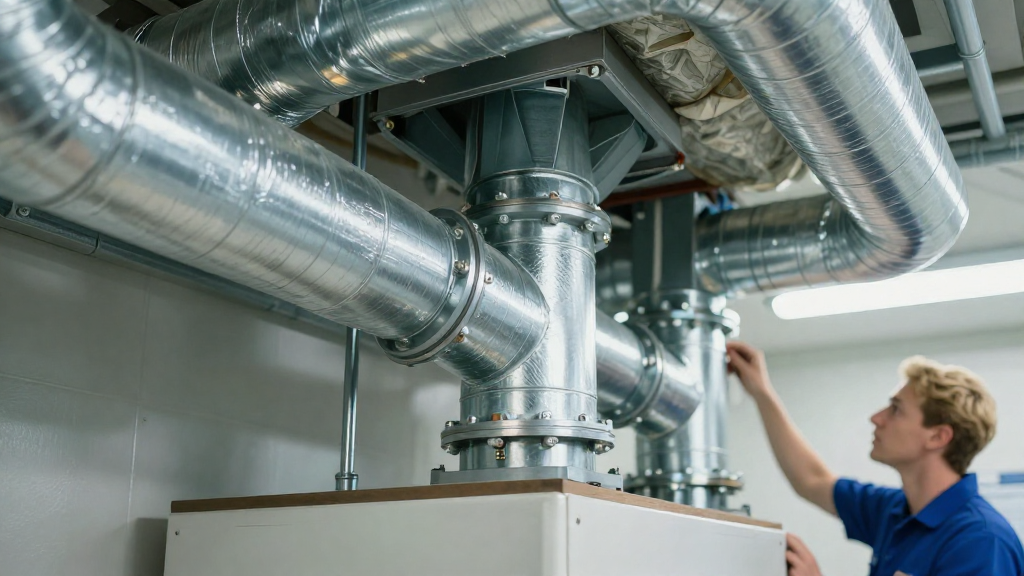
In the world of heating, ventilation, and air conditioning (HVAC), understanding the components and their functionalities is crucial for both homeowners and professionals. One such component is the plenum.
What is a Plenum in HVAC?
A plenum is a key part of HVAC systems that provides a space for air circulation and distribution.
Plenums serve as air passageways connecting the air handler or furnace to the duct system.
They can be found in both supply and return configurations and play a vital role in maintaining the efficiency and effectiveness of HVAC systems.
In this article, we will explore the various aspects of a plenum in HVAC, including its functions, types, and importance in overall air quality and system performance.
What Functions Does a Plenum Serve in HVAC?
Understanding what a plenum in HVAC actually does can help you appreciate its importance. Here are the key functions of a plenum:
- Air Distribution: The primary function of a plenum is to distribute conditioned air throughout the ductwork system.
- Pressure Management: Plenums help maintain positive or negative air pressure, which is vital for optimal airflow.
- Temperature Regulation: By evenly distributing air, plenums help maintain consistent temperatures throughout different areas of a building.
- Noise Reduction: Properly designed plenums can minimize noise produced by the HVAC system, providing a quieter environment.
What Types of Plenums Exist in HVAC Systems?
There are two main types of plenums used in HVAC systems: supply plenums and return plenums.
Understanding the distinction between the two is essential for anyone trying to grasp what a plenum in HVAC systems entails.
1. Supply Plenum
A supply plenum is the component connected directly to the air handler or furnace.
It distributes conditioned air into the duct system.
This type of plenum plays a crucial role in ensuring adequate airflow throughout various rooms.
Key features of supply plenums include:
- Larger in size to accommodate high volumes of air
- Often insulated to reduce energy loss
- May incorporate dampers to control airflow
2. Return Plenum
A return plenum is designed to collect air from the conditioned space and send it back to the air handler or furnace for reconditioning.
Understanding the return plenum is equally as essential when contemplating what a plenum in HVAC systems involves.
Key features of return plenums include:
- Designed to be less restrictive for air return
- Helps maintain balanced air pressure within the system
- Often located at the ceiling level for efficient air collection
Why Are Plenums Important in HVAC Systems?
Plenums are crucial for several reasons, making them indispensable for effective HVAC operation:
-
Energy Efficiency: Without proper airflow, the HVAC system has to work harder, leading to increased energy consumption. Effective plenums regulate and optimize air distribution.
-
Air Quality: Proper plenum design ensures that contaminants are efficiently removed from the air, leading to improved indoor air quality.
-
Comfort Levels: Balanced airflow throughout a building can significantly enhance comfort levels for occupants, ensuring no hot or cold spots are present.
-
Extended System Lifespan: An efficiently operating HVAC system experiences less wear and tear, thus extending its lifespan and reducing maintenance costs.
How Is a Plenum Installed in HVAC Systems?
The installation of a plenum in HVAC systems is a critical step. Proper installation ensures that the entire HVAC system works efficiently. Here are the general steps involved in the installation process:
-
Planning: Prior to installation, it’s essential to determine the optimal location for the plenum based on duct layout and building design.
-
Material Selection: Plenums can be constructed from various materials like metal, fiberglass, or flex duct. Choosing the right material impacts airflow and insulation.
-
Size and Shape: Determining the size and shape of the plenum is vital. Keep in mind the volume of air that needs to flow through and the area it needs to cover.
-
Sealing Connections: It is crucial to ensure all connections are sealed properly to prevent air leaks, which can diminish efficiency.
-
Ductwork Connections: Once the plenum is installed, it must be connected to both the supply and return duct systems.
-
Testing: After installation, testing airflow helps ensure everything functions properly, making adjustments if necessary.
What Maintenance is Required for HVAC Plenums?
Maintaining a plenum in HVAC systems is essential for ensuring long-term efficiency and functionality. Here’s what you should consider:
-
Regular Inspections: Check for any signs of wear, corrosion, or damage, especially at joints and connections.
-
Cleaning: Dust and debris can accumulate in the plenum over time, impacting air quality. Regular cleaning helps maintain efficient airflow.
-
Duct Seal Checks: Ensure all duct connections are sealed correctly to prevent any air leakage.
-
Monitoring Air Quality: Use air quality sensors to keep track of contaminants. If issues arise, it may be time to inspect the plenum.
Conclusion: What Is a Plenum in HVAC?
Understanding what a plenum in HVAC systems is, and its various functions can make a significant difference in maintaining your HVAC system efficiently.
From playing a crucial role in air distribution and pressure management to contributing to overall comfort and air quality, plenums are key components that enable HVAC systems to perform at their best.
By staying informed about different types of plenums and the maintenance they require, you can ensure a more energy-efficient, comfortable, and healthier indoor environment.
Remember, whether you are a homeowner, an HVAC professional, or simply curious about home systems, a knowledgeable approach to what a plenum in HVAC is will enable you to make more educated choices about your heating and cooling needs.