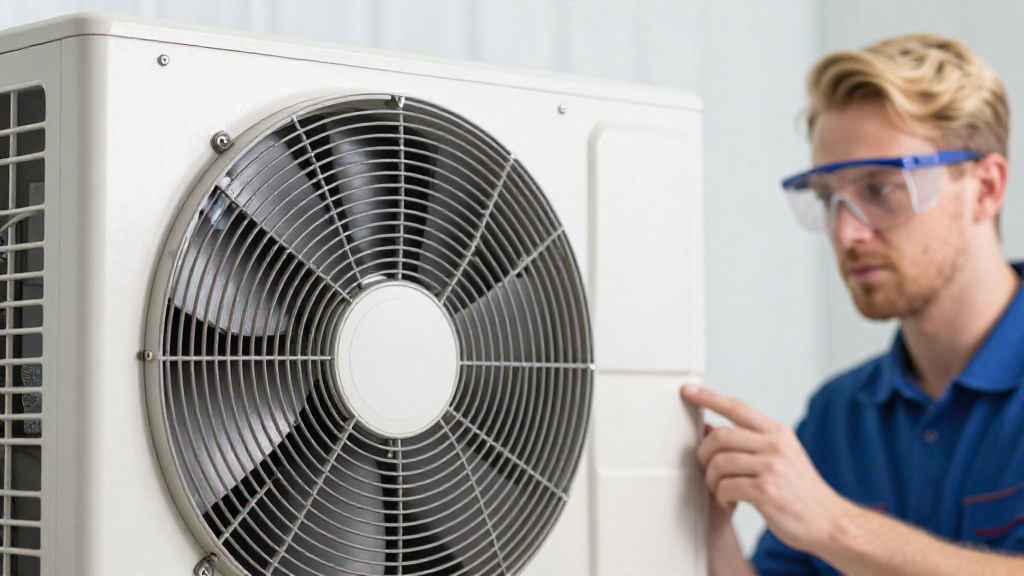
Understanding what is a variable speed fan in HVAC systems is crucial for homeowners and HVAC professionals alike.
Variable speed fans are increasingly popular in modern heating, ventilation, and air conditioning (HVAC) systems due to their efficiency and flexibility.
What Makes Variable Speed Fans Different?
At the heart of the question what is a variable speed fan is its unique operational capability.
Unlike traditional fixed-speed fans, variable speed fans can adjust their speed based on the heating or cooling needs of a space.
This leads to several benefits:
-
Increased Energy Efficiency: With variable speed fans, energy consumption can be minimized during lighter heating or cooling loads.
-
Improved Comfort: These fans maintain a consistent temperature and humidity level by making minor adjustments in airflow.
-
Quieter Operation: Variable speed fans run more quietly than their fixed-speed counterparts due to their ability to operate at lower speeds.
-
Extended Lifespan: The reduced strain on the fan system can result in a longer lifespan for both the fan and HVAC system.
How Do Variable Speed Fans Work?
Now that we’ve defined what is a variable speed fan, let’s dive into how these fans actually operate.
Variable speed technology typically utilizes a DC motor or an advanced ECM (Electronically Commutated Motor).
These motors use sophisticated speed controls, allowing them to ramp up or down as needed.
Here’s how the operation works:
-
Constantly Monitored Conditions: Sensors within the HVAC system continually monitor the temperature and airflow.
-
Speed Adjustment: Based on the data from the sensors, the control system adjusts the motor speed, either increasing or decreasing it.
-
Efficient Air Distribution: This constant adjustment enables an even distribution of air throughout the space.
What Are the Advantages of Variable Speed Fans?
When considering what is a variable speed fan, it’s essential to understand their wide range of advantages:
-
Enhanced Energy Savings:
– Variable speed fans consume less energy than traditional systems.
– The ability to operate at lower speeds during milder weather means reduced energy bills. -
Superior Temperature Control:
– Because they can maintain steady airflow, variable speed fans provide more consistent indoor temperatures.
– This consistency helps prevent temperature swings that are common with fixed-speed fans. -
Better Humidity Management:
– Variable speed operation allows for better dehumidification, which is essential in humid climates.
– Reduced humidity levels contribute to a more pleasant indoor environment. -
Reduced Wear and Tear:
– Operating at lower speeds can significantly reduce stress on the motor and other components.
– This leads to fewer maintenance costs and repairs over time. -
Versatile Use:
– These fans can be installed in various HVAC systems: central air conditioning units, heat pumps, and furnaces.
Are There Any Disadvantages?
While there are numerous benefits, it’s also important to evaluate any potential downsides when assessing what is a variable speed fan:
-
Higher Initial Cost: Variable speed fans can initially be more expensive than their fixed-speed counterparts. However, the long-term energy savings often outweigh the initial investment.
-
Complexity: These systems can be more complex to install and repair. It’s crucial to hire professionals familiar with variable speed technologies.
How Can You Tell If Your HVAC System Needs a Variable Speed Fan?
Many homeowners wonder if upgrading to a variable speed fan is worthwhile for their current HVAC system.
If you’re asking what is a variable speed fan in terms of your own needs, consider these signs:
-
High Energy Bills: If your energy bills are consistently higher than expected, a variable speed fan could offer relief.
-
Inconsistent Temperatures: Noticeable temperature fluctuations throughout your home can indicate a need for better airflow.
-
Humidity Issues: If your home feels damp or musty, a variable speed fan can help maintain better humidity levels.
-
Aging System: If your HVAC system is over ten years old, it might be time to consider an upgrade for more efficient technologies.
How Do You Choose the Right Variable Speed Fan?
When it comes time to select a variable speed fan for your HVAC system, you’ll want to consider several factors:
-
Compatibility: Ensure that the variable speed fan is compatible with your existing HVAC setup.
-
Motor Type: Look for systems with EC motors for best efficiency and performance.
-
Noise Levels: Check the decibel ratings if noise is a concern for your home environment.
-
Brand Reliability: Research reputable brands known for producing high-quality variable speed fans.
-
Warranty and Support: Look for products that come with solid warranty coverage and customer support.
How Can You Maintain a Variable Speed Fan?
Once you’ve established what a variable speed fan is and have it installed, regular maintenance is key to ensuring longevity and efficiency.
Here are some tips for maintaining your variable speed fan:
-
Regular Cleaning: Dust and debris can accumulate in the fan and ducts. Regular cleaning can help maintain airflow.
-
Change Filters: Replace air filters regularly to prevent clogs and maintain efficient operation.
-
Professional Inspections: Schedule annual inspections with an HVAC professional to detect potential issues early.
Conclusion: Should You Invest in a Variable Speed Fan?
So, what is a variable speed fan in the context of your HVAC system?
It represents a significant advancement in energy efficiency, comfort, and overall performance.
When you consider the long-term benefits, investing in a variable speed fan can lead to not only improved indoor air quality but also substantial savings on your energy bills.
If you’re in the market for a new HVAC system or want to upgrade, consider adding a variable speed fan for an optimal climate control solution.
By understanding the benefits, operation, and maintenance needs of variable speed fans, you can make a more informed decision for your home.