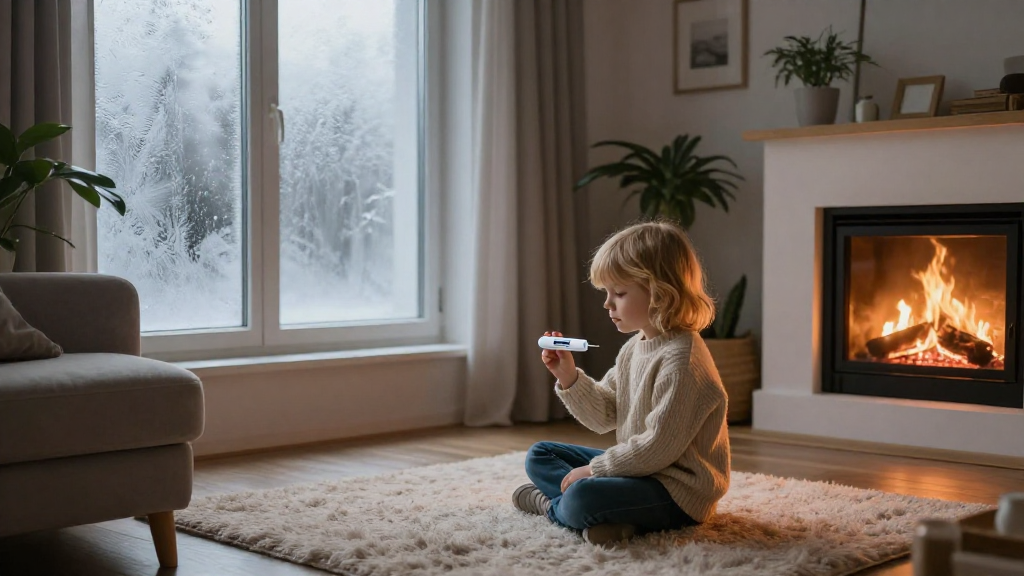
Have you ever walked into a room and wondered, why is one room colder than the rest? This common issue can arise from several factors, including insulation, ventilation, and even the design of your home.
In this article, we will explore the reasons why one room may be colder than others, potential solutions to the problem, and tips to ensure even heating throughout your home.
What Causes One Room to Be Colder Than Others?
Understanding why a room is colder than others starts with examining the architecture and environment of your home. Here are a few major contributing factors:
1. Insulation Problems
Improper or inadequate insulation can significantly affect the temperature of a room.
- Walls and Ceiling: If the insulation in the walls or ceiling of a particular room is lacking or has deteriorated, that room will be much colder because heat escapes easily.
- Floors: Cold air can seep through poorly insulated floors, especially if the room is over a garage or unheated space.
2. Heating System Issues
Sometimes the issue stems from your home’s heating system.
- Ductwork Problems: If the ductwork that supplies heat to your rooms is blocked, damaged, or poorly designed, some rooms will not receive adequate heat.
- Radiators and Vents: If a radiator or vent is malfunctioning or closed, it may hinder proper heating. Check for dust, debris, and ensure that vents are open and functioning.
3. Sunlight Exposure
Did you know that the amount of sunlight a room receives can impact its temperature?
- Windows and Orientation: Rooms with large windows or those that face south generally receive more sunlight and can maintain warmth, while north-facing rooms can be significantly colder, especially in the winter months.
- Thermal Mass: Homes built with materials that have a high thermal mass, like brick and stone, can retain heat during the day and release it at night, affecting the temperature disparities between rooms.
4. Drafts and Air Leaks
Air leaks can also play a significant role in temperature discrepancies.
- Windows and Doors: Poorly sealed windows and doors can allow cold air to flow inside, making one room feel significantly colder.
- Electrical Outlets and Vents: Drafts can even occur from gaps around electrical outlets or plumbing vents, leading to colder temperatures in certain areas.
5. Layout and Design of the Home
The layout and design of your home can make a difference too.
- Open vs. Closed Spaces: Open-concept homes allow for more even airflow, while closed rooms can trap cold air if not properly heated.
- Distance from Heating Source: Rooms that are farther from heating sources often struggle to maintain a comfortable temperature.
How Can You Fix a Cold Room?
Now that we’ve examined why one room is colder than the rest, let’s discuss potential solutions to this common problem.
1. Improve Insulation
Increasing the insulation in the cold room can help.
- Inspect Insulation: Check the walls, ceiling, and floor for gaps where cold air may be entering.
- Insulation Additions: Consider adding more insulation if you notice deficiencies to maintain a stable indoor temperature.
2. Adjust Heating Systems
Making adjustments to your heating system can lead to significant improvements.
- Duct Cleaning: Ensure ducts are clean and obstruction-free to promote better airflow to the colder room.
- Radiator Checks: Inspect radiators and baseboard heaters for proper function. Bleed radiators if they have air trapped inside.
3. Use Space Heaters
If all else fails, a space heater can provide a quick solution.
- Energy Efficient Options: Choose energy-efficient space heaters designed to heat up small areas quickly to keep the room warm.
- Safety Precautions: Always follow safety guidelines when using space heaters to avoid any fire hazards.
4. Seal Drafts and Air Leaks
Taking measures to seal drafts will help maintain room temperature.
- Weatherstripping: Install weatherstripping around windows and doors to block cold air ingress.
- Decorative Options: Use draft stoppers on doors or thermal curtains to prevent heat loss.
5. Invest in Smart Thermostats
Smart thermostats can also assist in maintaining temperature consistency.
- Room-Specific Settings: If you have a multi-zoned heating system, consider a smart thermostat that allows for room-specific temperature settings.
- Scheduling: Some smart thermostats can learn your heating preferences and adjust the temperature accordingly throughout the day.
When Should You Call a Professional?
While many cold room issues can be addressed with minor adjustments, sometimes it is best to consult professionals. Here are signs you should consider reaching out to an HVAC expert:
- Inefficient Heating: If your entire home struggles to maintain temperature, it may be indicative of larger HVAC system issues.
- Persistent Cold Rooms: If certain rooms remain persistently cold despite your best efforts, this warrants professional investigation.
- Strange Noises or Odors: Unusual sounds or smells from your heating system are a clear sign something might be wrong.
Conclusion
In conclusion, understanding why is one room colder than the rest can shed light on issues you may face in your home. From insulation and heating system inefficiencies to air leaks and sunlight exposure, many factors contribute to cold rooms.
By making appropriate adjustments, sealing drafts, and potentially consulting professionals, you can ensure a comfortable temperature throughout your entire home.
Don’t let colder rooms disrupt your comfort; take action today and make your entire living space cozy and inviting!
Final Thoughts
If you are still experiencing issues after trying the above solutions, it could be beneficial to conduct a thorough energy audit of your home. This will provide a comprehensive understanding of how your home uses energy and where additional improvements can be made.
With the right approach, achieving a balanced temperature throughout your home is just a few steps away.