Passive ribbon microphones can sound remarkably detailed and natural, but their low output often demands more clean gain than a basic audio interface can provide. The right inline booster or dedicated preamp can raise the signal without adding distracting hiss, loading down the ribbon, or forcing you to run your interface at its limit.
We’ve selected 10 microphone preamp options for ribbon mic applications, including established inline activators, compact gain boosters, and higher-gain models. Use the comparison and buying advice below to narrow the list by gain, noise performance, phantom-power requirements, connectivity, and overall setup compatibility.
Best 10 Microphone Preamp for Ribbon Mic Picks for 2026
Best Overall
Cloudlifter CL-1 Mic Activator

- Up to +25 dB clean gain
- Phantom power does not pass to passive ribbons
- Compact single-channel XLR design
Best For: Home studios, recording, podcasting, and passive ribbon microphones
Best Class-A Design

- Low-noise Class-A JFET amplifier
- Four matched JFETs
- Shielded enclosure
Best For: Users prioritizing a compact, low-noise JFET signal booster
Best Budget-Friendly Alternative

- +25 dB gain for dynamic and passive ribbon mics
- Balanced XLR input and output
- Compact shielded metal housing
Best For: Home studios, podcasts, streaming, and portable recording
Best High-Gain Option
Coda MB-Stealth In-Line Preamp
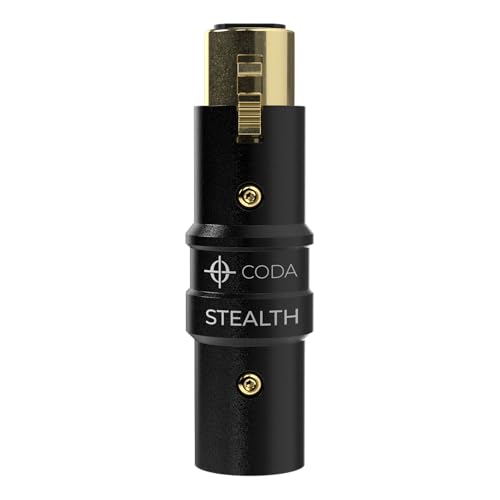
- 28 dB clean gain
- Designed for dynamic and ribbon microphones
- Compact aluminum housing
Best For: Interfaces needing extra gain for dynamic or ribbon microphones
Budget Gain Booster
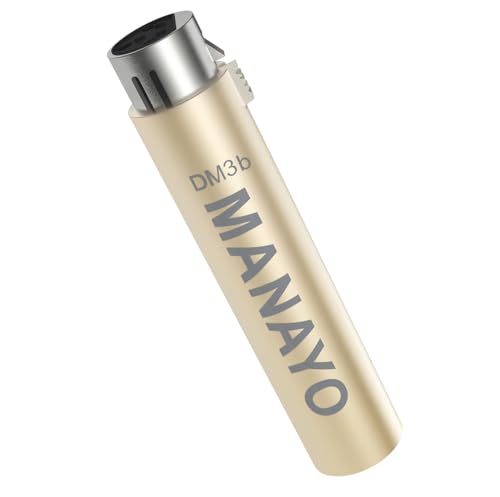
- Adds 28dB of gain
- XLR, single-channel design
- Made for dynamic and passive ribbon mics
Best For: Simple home, streaming, and vocal setups
Flexible Studio Booster

- Provides 20dB of gain
- Includes 48V power
- Compact metal housing for studio or streaming use
Best For: Mixed dynamic and condenser microphone setups
Professional Ribbon Choice

- Purpose-built for ribbon and dynamic mics
- Adds +28dB of transparent gain
- Metal housing with gold-plated XLR connectors
Best For: Studio, podcast, and live ribbon-mic setups
Compact Ribbon Boost

- Adds 28dB of gain
- For passive ribbon and dynamic mics
- Requires 48V phantom power
Best For: Users needing a simple inline boost for a passive ribbon mic
Flexible Recording Hub

- 19dB–66dB adjustable gain
- Supports ribbon, dynamic, and condenser mics
- Type-C power and multiple outputs
Best For: Versatile home recording and instrument setups
Stage-Ready Signal Lift

- Fixed 28dB gain boost
- Slim aluminum housing
- Buffer supports long cable runs
Best For: Stage, podcast, and home-recording users with passive mics
Best Overall – Cloudlifter CL-1 Mic Activator
For a microphone preamp for ribbon mic setups, the Cloudlifter CL-1 is a proven single-channel option that adds up to 25 dB of clean gain. It uses phantom power from your interface or mixer without passing phantom power to passive ribbon microphones.
Best For: Home studios, professional recording, podcasting, streaming, and passive ribbon microphones that need additional clean gain.
Pros:
- Provides up to +25 dB of ultra-clean gain.
- Designed to protect passive ribbon microphones from phantom power.
- Works with standard microphone inputs that provide phantom power.
- Compact stainless-steel enclosure with a broad 5 Hz–80 kHz frequency range.
Cons:
- Offers one channel.
- Requires phantom power from the connected microphone input.
The CL-1 is a straightforward choice when you want more signal from a quiet passive ribbon while preserving its natural sound. Its broad compatibility and established studio-focused design make it a strong all-around signal booster.
Best Class-A Design – Triton Audio FetHead
The Triton Audio FetHead is an in-line microphone preamp built around a low-noise Class-A JFET amplifier. For a microphone preamp for ribbon mic applications, its shielded enclosure and matched JFET design are aimed at adding gain while keeping the signal path clean.
Best For: Users seeking a compact in-line booster with a Class-A JFET amplifier and shielded construction.
Pros:
- Uses a low-noise Class-A JFET amplifier.
- Features a double single-ended amplifier topology.
- Includes four matched JFETs.
- Uses a shielded enclosure.
Cons:
- The supplied notes do not specify its gain amount.
- The supplied notes do not identify a specific phantom-power or ribbon-microphone safety feature.
- The supplied details list two channels, while the product is presented as an in-line preamp; verify the configuration for your setup.
The FetHead is most compelling for buyers prioritizing its low-noise Class-A JFET architecture and shielding. Because the notes do not state gain or ribbon-specific phantom-power protection, confirm those requirements before pairing it with a passive ribbon.
Best Budget-Friendly Alternative – StudioMan CL-100 XLR Preamp
The StudioMan CL-100 is a compact XLR booster designed specifically for dynamic and passive ribbon microphones. As a microphone preamp for ribbon mic setups, it supplies +25 dB of clean gain and integrates with interfaces, mixers, and other devices that provide 48V phantom power.
Best For: Home studios, podcasts, live streaming, and recording setups needing a compact 25 dB XLR gain boost for dynamic or passive ribbon microphones.
Pros:
- Designed for dynamic and passive ribbon microphones.
- Provides +25 dB of clean gain.
- Dual balanced XLR input and output support plug-and-play integration.
- Compact metal housing offers EMI/RFI shielding and portability.
Cons:
- Requires 48V phantom power.
- Its 10 Hz–20 kHz frequency response is narrower than some competing options.
- The supplied notes do not specify a dedicated phantom-power blocking feature for ribbons.
The CL-100 offers a practical feature set for buyers who want a small, metal-bodied XLR booster with a stated 25 dB gain increase. Its phantom-power requirement and ribbon-mic protection details should be considered when planning the signal chain.
Best High-Gain Option – Coda MB-Stealth In-Line Preamp
The Coda MB-Stealth provides 28 dB of gain for dynamic and ribbon microphones using an interface’s 48V phantom power. If you need a microphone preamp for ribbon mic recording, its compact aluminum housing and stated low-noise performance make it a convenient in-line option.
Best For: Dynamic or ribbon microphones used with audio interfaces, podcasting, livestreaming, and recording setups that need up to 28 dB of additional gain.
Pros:
- Delivers 28 dB of ultra-clean gain.
- Designed for dynamic and ribbon microphones.
- Lists a -70 dB noise rating for a cleaner signal.
- Compact matte-black aluminum design.
Cons:
- Requires 48V phantom power.
- Does not work with condenser microphones.
- Provides one channel.
The MB-Stealth stands out when you want slightly more gain than a typical 25 dB booster in a compact form. It is a focused choice for dynamic and ribbon microphones, provided your interface can supply phantom power.
Budget Gain Booster – Compact 28dB Inline Preamp
in-line microphone preamp for Dynamic and Passive Ribbon Microphones (UPGRADE BRASS)
Check Price On AmazonIf your ribbon microphone needs more level before it reaches your interface or mixer, this compact inline microphone preamp for ribbon mic setups adds 28dB of gain. Its single-channel XLR design is aimed at dynamic and passive ribbon microphones and keeps the setup straightforward.
Best For: Home recording, streaming, and vocal setups using a dynamic or passive ribbon microphone with limited available gain.
Pros:
- Adds 28dB of gain to help amplify low-output microphones.
- Uses simple XLR connectivity with one channel.
- Compact inline format is easy to place between the microphone and interface or mixer.
Cons:
- The supplied specifications do not identify a separate power source or phantom-power requirement.
- Listed specifications include a 28dB signal-to-noise ratio and audible-noise figure, so noise performance should be considered carefully.
The MANAYO DM3 is a basic, focused option when you want extra gain without adding a full standalone preamp. Confirm your system’s compatibility and noise requirements before choosing it for a particularly quiet ribbon-mic recording chain.
Flexible Studio Booster – 20dB Preamp with 48V Power
This microphone preamp for ribbon mic applications provides 20dB of stated gain through balanced amplification circuitry. It also includes 48V power and an XLR output, making it a more flexible choice for setups that may alternate between dynamic and condenser microphones.
Best For: Home studios, podcasting, recording, and live streaming where compact size and compatibility with both dynamic and condenser microphones are priorities.
Pros:
- Provides 20dB of clean, transparent gain according to the supplied notes.
- Includes 48V power for use with dynamic and condenser microphones.
- Compact, lightweight design weighs 8.8 ounces and uses a rugged black metal case.
- Balanced circuitry is designed for low-noise operation and reduced coloration.
Cons:
- The supplied information does not specify a ribbon-microphone-specific protection feature.
- Its 20dB gain is lower than the 28dB offered by the other inline models in this roundup.
This model stands out for versatility rather than maximum gain. The 48V feature may suit mixed microphone collections, but ribbon-mic users should verify the correct powering procedure for their particular passive ribbon microphone and signal chain.
Professional Ribbon Choice – DM1 28dB Inline Preamp
The sE Electronics DM1 Dynamite is purpose-built for adding clean gain to dynamic and passive ribbon microphones. With +28dB of stated gain, FET circuitry, a transformerless design, and gold-plated XLR connectors, it is a strong microphone preamp for ribbon mic recording, podcasting, and live sound.
Best For: Ribbon-mic users who want a durable, ultra-slim inline booster for studio, podcast, or stage applications.
Pros:
- Delivers +28dB of clean, transparent gain for passive ribbon and dynamic microphones.
- FET circuitry and a transformerless design are specified for low noise and minimal coloration.
- All-metal housing, gold-plated XLR connectors, and RF-interference-reducing design support dependable use.
- Ultra-slim 80g form factor adds gain without much bulk and includes a two-year warranty, extendable to three years with online registration.
Cons:
- The unit is corded electric, so the setup requires an appropriate power arrangement.
- It is a single-channel inline preamp rather than a multi-channel studio preamp.
Among these options, the DM1 offers the clearest ribbon-focused feature set and the strongest published build details. Its 28dB boost and compact metal construction make it a practical choice when a passive ribbon microphone needs reliable extra level without obvious tonal coloration.
Compact Ribbon Boost – 28dB Inline Preamp
If you need a straightforward microphone preamp for ribbon mic use, this inline booster adds 28dB of gain to compatible passive ribbon and dynamic microphones. It is designed to connect between the microphone and an interface or mixer, helping raise the signal without requiring a larger standalone preamp.
Best For: Passive ribbon or dynamic microphone users who need a compact 28dB gain boost.
Pros:
- Provides 28dB of gain for dynamic and passive ribbon microphones.
- Compact 3.74-inch inline design with an XLR connector.
- Lists a 20Hz–20kHz frequency response and output noise below 6uV.
Cons:
- Requires 48V phantom power from an audio interface.
- Not compatible with condenser microphones.
- Offers a fixed gain level rather than an adjustable range.
This is a focused solution for low-output passive ribbon microphones. Confirm that your interface supplies phantom power and that your microphone is dynamic or ribbon before choosing it.
Flexible Recording Hub – RO03 Variable-Gain Preamp
For a more versatile microphone preamp for ribbon mic setups, the RO03 offers variable gain from 19dB to 66dB and supports dynamic, condenser, and ribbon microphones. Its Type-C power input and multiple output options make it suited to broader recording and instrument applications.
Best For: Home recordists and creators who want adjustable gain, low-noise operation, and support for multiple input types.
Pros:
- Provides an adjustable 19dB–66dB gain range for flexible level matching.
- Supports dynamic, condenser, and ribbon microphones, plus instruments.
- Lists a -120dBV EIN and Type-C power input for portable setups.
- Offers XLR, TRS, and TS output options.
Cons:
- The two input ports cannot be used simultaneously.
- The manufacturer recommends using a TRS line input for the lowest noise.
- Requires careful cable selection and connection for best results.
The RO03 is the most adaptable option here, especially if your ribbon microphone setup may expand to vocals, condenser microphones, or instruments. Its gain control is useful when a fixed 28dB boost is not enough.
Stage-Ready Signal Lift – DM1 Ribbon Mic Booster
This microphone preamp for ribbon mic applications delivers a fixed 28dB boost for passive ribbon and dynamic microphones. Its slim aluminum housing and output buffer are intended to help with long cable runs while reducing potential RF interference, buzz, and hum.
Best For: Home recording, podcasting, livestreaming, or stage users who want a slim inline booster for passive microphones.
Pros:
- Adds 28dB of gain to passive ribbon and dynamic microphones.
- Slim aluminum construction is suited to studio and stage use.
- Output buffer helps drive long cable runs and reduce interference.
- Designed for recording, broadcasting, livestreaming, and podcasting.
Cons:
- Requires 48V phantom power from a preamp, mixer, or audio interface.
- Does not provide adjustable gain.
- Intended for dynamic and ribbon microphones rather than condenser microphones.
The DM1 is a practical alternative to the first inline booster, with similar fixed gain but an emphasis on cable-driving and interference reduction. It makes the most sense when a slim, stage-friendly design is important.
How We Picked the Best Microphone Preamp for Ribbon Mic
We focused on products designed for low-output dynamic and passive ribbon microphones, prioritizing clean inline gain, practical XLR connectivity, compact construction, and compatibility with common audio interfaces and mixers. We also considered stated gain levels, noise claims, phantom-power operation, form factor, and whether each model appears suited to studio, podcasting, live, or portable use.
Specifications can vary by microphone, cable length, interface, and preamp input. Treat advertised gain and noise figures as useful starting points rather than guarantees of identical real-world performance.
Quick Comparison
| What to Compare | Why It Matters | Typical Choice |
|---|---|---|
| Gain | Determines how much extra level reaches the interface | About 20–30 dB for many inline boosters; more for very quiet sources |
| Noise performance | Helps preserve quiet passages and microphone detail | Choose a well-designed, low-noise unit with adequate headroom |
| Power method | Inline boosters commonly use phantom power to operate | Confirm your interface or mixer supplies 48V |
| Connection | Affects installation and cable layout | Direct XLR for minimal clutter; short-cable designs for flexible placement |
Key Buying Factors for a Microphone Preamp for Ribbon Mic
Clean Gain and Headroom
Look for enough gain to keep your interface input at a moderate setting, but avoid assuming the highest number is automatically best. Excessive gain can make loud sources harder to manage and may expose noise elsewhere in the signal chain. A unit offering roughly 20–30 dB of clean boost is a practical range for many passive ribbons.
Phantom-Power Behavior
Many inline boosters require 48V phantom power from the mixer or interface while using balanced XLR connections. A properly designed activator should pass phantom power to itself without sending it directly into a passive ribbon’s audio output. Follow the manufacturer’s wiring guidance, especially with vintage or transformer-coupled microphones.
Noise, Impedance, and Build
Choose a low-noise design with suitable input and output impedance so the ribbon is not unnecessarily loaded. Metal housings, secure XLR connectors, and short signal paths are useful for mobile rigs and crowded studio setups. Also check clearance around the microphone and interface, since direct-mount units can be physically bulky.
Who Should Buy Which Microphone Preamp for Ribbon Mic?
For Established Studio Workflows
Choose a proven inline activator such as the Cloudlifter CL-1 when predictable operation, durable construction, and broad studio familiarity matter most.
For Compact or Portable Rigs
FetHead, DM1 Dynamite, and similarly slim boosters suit users who want a simple connection between microphone and interface with minimal desk space and cable clutter.
For Budget-Conscious Buyers
Lower-cost 25–28 dB models can be sensible for home recording, streaming, and podcasting, provided the unit has balanced XLR connections and your interface supplies phantom power.
For Unusually Quiet Microphones or Demanding Setups
Consider a higher-gain model such as the RO03 only after checking its noise performance, output level, and compatibility with your interface. More gain is useful when needed, but clean, controlled gain is the priority for any Microphone Preamp for Ribbon Mic use.