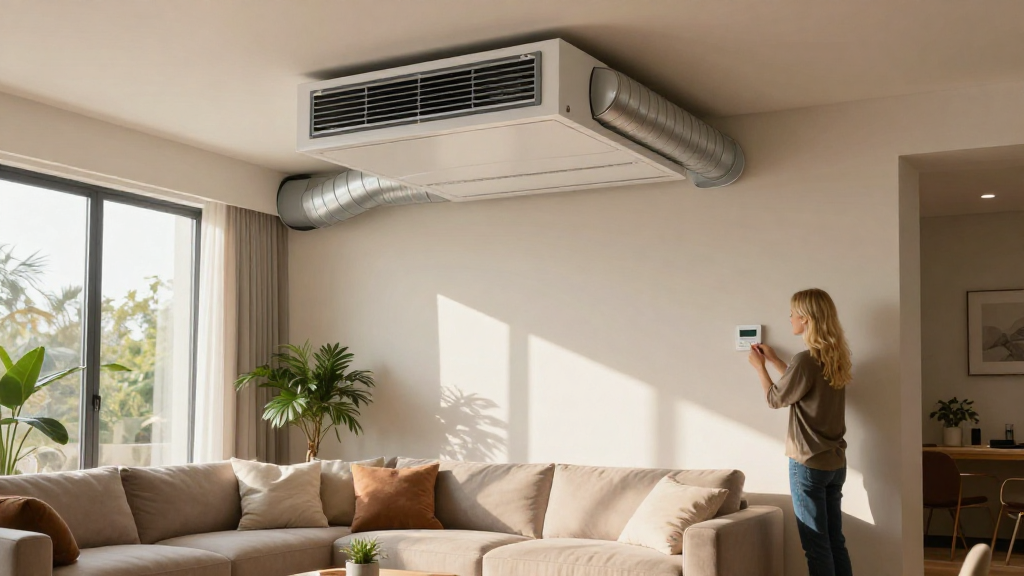
Understanding how does HVAC ventilation work is essential for maintaining a comfortable and healthy indoor environment.
Proper ventilation not only enhances air quality but also optimizes your heating and cooling system effectively.
In this article, we will explore the principles of HVAC ventilation, its components, and the benefits of a well-ventilated home.
What is HVAC Ventilation?
HVAC stands for Heating, Ventilation, and Air Conditioning.
- Heating keeps your home warm.
- Air Conditioning cools it down.
- Ventilation is the process that exchanges indoor air with outdoor air.
Ventilation plays a crucial role in removing pollutants, smoke, heat, and excess moisture from your home.
In essence, it helps in maintaining thermal comfort and ensuring a safe living environment.
How Does HVAC Ventilation Work?
To delve deeper into how does HVAC ventilation work, we need to examine the mechanisms and systems involved. HVAC ventilation is typically divided into two primary methods: natural ventilation and mechanical ventilation.
What is Natural Ventilation?
Natural ventilation relies on:
- Airflow induced by temperature differences (hot air rises, cool air sinks)
- Wind pressure to circulate outdoor air into the home
Advantages of Natural Ventilation:
- Energy-Efficient: It requires no mechanical system, reducing energy consumption.
- Fresh Air: It allows for the influx of fresh outdoor air, benefiting indoor air quality.
Disadvantages of Natural Ventilation:
- Unpredictable: It’s dependent on weather conditions and not reliable year-round.
- Limited Control: Difficult to control air flow, making it hard to maintain consistent temperatures.
What is Mechanical Ventilation?
Mechanical ventilation involves using fans and ductwork to move air in and out of a building.
There are various types of mechanical ventilation, including:
-
Exhaust Ventilation:
– Removes stale indoor air.
– Creates negative pressure, drawing in fresh air from outside. -
Supply Ventilation:
– Delivers fresh air to indoor spaces.
– Helps in positively pressurizing the home, which may prevent contaminants from entering. -
Balanced Ventilation:
– Involves both exhausting indoor air and bringing in fresh air.
– Often utilizes heat recovery ventilators (HRV) or energy recovery ventilators (ERV) to improve energy efficiency by transferring heat between incoming and outgoing air.
Advantages of Mechanical Ventilation:
- Controlled Airflow: Provides consistent and regulated air exchange.
- Efficient Filtration: Often includes filters to remove pollutants and allergens.
- Energy Recovery: HRVs and ERVs can significantly cut down heating and cooling costs.
Disadvantages of Mechanical Ventilation:
- Higher Energy Costs: Requires electricity to operate fans.
- Maintenance Needs: Mechanical systems typically require regular servicing for optimal performance.
What Components are Involved in HVAC Ventilation?
Understanding how does HVAC ventilation work requires knowledge of the specific components involved in the system. Here are the primary elements of an HVAC ventilation system:
-
Ductwork: A network of tubes that transport air throughout your home.
-
Air Handler: Circulates the air through ductwork, pushing conditioned air into living spaces.
-
Heat Exchanger: Transfers heat between the outgoing and incoming air in systems with HRVs or ERVs.
-
Filters: Clean the incoming air, removing dust, pollen, and other airborne particles.
-
Exhaust Fans: Remove air from specific areas, such as bathrooms and kitchens, to control humidity and odors.
Why is HVAC Ventilation Important?
The significance of HVAC ventilation cannot be overstated.
Here are the main reasons why effective ventilation is essential for your home:
-
Improved Indoor Air Quality: Effective ventilation removes pollutants, reducing the risk of respiratory problems.
-
Temperature Regulation: Helps in maintaining desired temperatures, reducing reliance on heating and cooling systems.
-
Moisture Control: Prevents moisture buildup, which can lead to mold and mildew growth.
-
Energy Efficiency: A balanced system can reduce energy bills by optimizing heating and cooling performance.
How Can I Improve My HVAC Ventilation?
If you’re wondering how does HVAC ventilation work in your home, consider these tips to enhance your system’s performance:
-
Regular Maintenance: Schedule inspections and cleanings of your HVAC system.
-
Upgrade Filters: Use high-quality filters and change them regularly to maintain airflow and air quality.
-
Seal Ducts: Inspect and seal any leaks in your ductwork to prevent air loss.
-
Install HRV or ERV: Consider adding a heat recovery ventilation system to optimize air exchange without significant energy loss.
-
Use Exhaust Fans: Turn on exhaust fans in areas prone to moisture to control humidity levels effectively.
How Does HVAC Ventilation Relate to Energy Efficiency?
You may be surprised at the correlation between how does HVAC ventilation work and the efficiency of your heating and cooling systems.
A well-designed and properly maintained ventilation system can help reduce energy consumption significantly by:
-
Ensuring that heated or cooled air is used efficiently in each room.
-
Balancing indoor temperatures, reducing the load on heating and cooling systems.
-
Improving overall environmental comfort, promoting a more sustainable living space.
Conclusion: Understanding Your HVAC Ventilation System
In conclusion, comprehending how does HVAC ventilation work is crucial for every homeowner.
By understanding the importance of effective ventilation, recognizing the components involved, and implementing helpful tips, you can create a comfortable, energy-efficient environment.
Whether you opt for natural or mechanical ventilation, ensuring your system is working properly can lead to improved indoor air quality, reduced energy bills, and a healthier home.
Investing time in your HVAC ventilation system today means enjoying a more pleasant and safe living space in the future.