If you want cleaner audio and precise level control, balanced DACs with volume control are one of the smartest upgrades you can make. They’re especially useful for desktop systems, headphone rigs, and compact stereo setups where convenience matters as much as sound quality.
This roundup focuses on seven current picks for 2026, from portable Bluetooth options to fully balanced desktop units with broad input support. The goal is simple: help you choose the right model for your gear, your listening style, and your budget.
Best 7 Balanced Dacs with Volume Control Picks for 2026
Best for HDMI ARC
Fosi Audio ZD3 Desktop DAC Preamp

- Fully balanced XLR/RCA outputs with remote preamp control
- HDMI ARC plus USB, optical, coax, and Bluetooth inputs
- ES9039Q2M-based desktop DAC with OLED display and trigger I/O
Best For: Home audio buyers who want a compact balanced DAC/preamp with HDMI ARC and remote volume control.
Best for Balanced Bluetooth Control
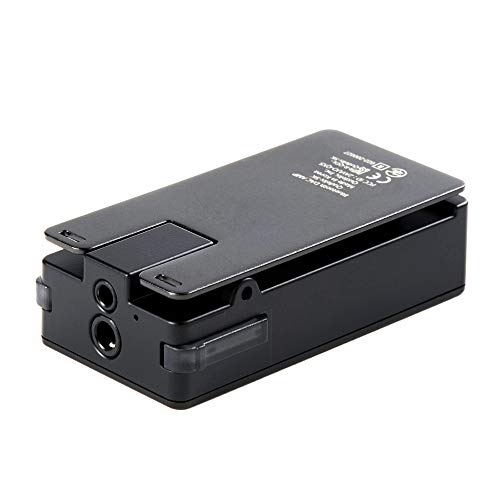
- 2.5mm balanced and 3.5mm unbalanced outputs
- LDAC, aptX Adaptive, aptX HD, and AAC support
- App-based EQ and USB DAC mode add useful control
Best For: Portable wired listening with strong codec support, balanced output, and fine-grained volume/EQ control.
Best for Balanced Desktop Hookups

- Balanced 4.4mm and 6.35mm headphone outputs
- Up to 1400mW to power demanding headphones
- USB, optical, coaxial, and RCA connectivity
Best For: Home audio or PC listeners who want a compact balanced DAC/amp with easy volume control.
Best Desktop DAC/Amp Stack

- Dual ES9039Q2M DACs with ultra-low-noise playback
- Powerful balanced amp with preamp volume control
- LDAC Bluetooth and 10-band PEQ for flexible tuning
Best For: Desktop audiophiles who want a powerful balanced DAC/amp with volume control, Bluetooth, and active-speaker support.
Best for Gaming and Desktop Control
Fosi Audio K7 DAC Headphone Amp

- 4.4mm balanced output plus RCA and 3.5mm options
- AK4493S/XMOS-based DAC with up to 2100mW output
- USB-C, optical, coaxial, Bluetooth, and mic input support
Best For: Gamers and desktop users who want a versatile DAC/amp with balanced output and physical volume control.
Best for Balanced Sound on the Go
Fosi Audio DS2 USB-C Balanced DAC

- 4.4mm balanced and 3.5mm outputs
- Dual CS43131 DACs with up to DSD256 support
- 60-step physical volume control with memory
Best For: Portable listeners who want a balanced DAC/amp dongle with physical volume buttons.
Best for Balanced Desktop Control
Fosi Audio ZH3 DAC Headphone Amp
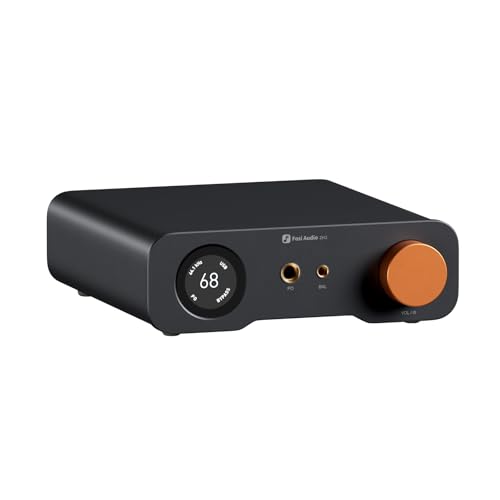
- Fully balanced outputs with headphone and preamp use
- Remote volume control and onboard sound tuning
- High-output amp section for demanding headphones
Best For: Desktop users who want a balanced DAC/amp with remote-controlled volume and preamp flexibility.
Best for HDMI ARC – Fosi Audio ZD3 Desktop DAC Preamp
If you want one of the more flexible balanced dacs with volume control, the Fosi Audio ZD3 stands out for its fully balanced design, remote-adjustable preamp use, and unusually broad input support. It is a practical pick for desktop or stereo systems that need USB, optical, coax, Bluetooth, and especially HDMI ARC in one compact box.
Best For: Home audio buyers who want a compact balanced DAC/preamp with HDMI ARC and remote volume control for an easy TV or stereo setup.
Pros:
- Fully balanced XLR and RCA outputs with preamp functionality and remote control
- HDMI ARC support makes it easy to integrate with a TV-based system
- High-end ES9039Q2M chip, plus XMOS XU316 and Bluetooth support
- Compact desktop design with OLED display and 12V trigger in/out
Cons:
- Best suited to users who already have a separate power amplifier or active speakers
- No built-in streaming features beyond Bluetooth
- Feature-rich layout may be more than casual listeners need
The ZD3 is a smart choice if you’re shopping for balanced dacs with volume control and want a feature set that goes beyond basic conversion. Its HDMI ARC support and balanced outputs make it especially appealing for tidy, modern home audio rigs.
Best for Balanced Bluetooth Control – Qudelix-5K Bluetooth DAC AMP
If you want one of the most flexible balanced dacs with volume control, the Qudelix-5K stands out for its dual ES9219 DACs, balanced 2.5mm output, and app-driven EQ tuning. It works as both a Bluetooth receiver and USB DAC, making it a practical choice for wired headphones and earphones on the go.
Best For: Listeners who want portable wireless convenience, balanced output, and precise volume/EQ control for wired headphones or IEMs.
Pros:
- 2.5mm balanced and 3.5mm unbalanced outputs give you flexible headphone support.
- LDAC, aptX Adaptive, aptX HD, and AAC help it pair well with modern devices.
- Built-in double-precision EQ and USB DAC mode make tuning and desktop use easy.
- Compact clip-on design is highly portable for daily carry.
Cons:
- 2.5mm balanced output is less common than 4.4mm on many newer accessories.
- Battery life varies widely depending on codec, output, and volume level.
- Not a Bluetooth transmitter, so it won’t work with Bluetooth headphones.
For buyers comparing balanced dacs with volume control, the Qudelix-5K is especially appealing because it combines strong codec support, balanced output, and unusually deep software control in a tiny body. It’s less about raw desktop power and more about smart, portable versatility.
Best for Balanced Desktop Hookups – FiiO K11 DAC & Headphone Amp
If you want one compact desktop unit that can handle speakers, headphones, and multiple digital inputs, the FiiO K11 is a strong pick among balanced dacs with volume control. Its balanced 4.4mm output, 6.35mm jack, RCA line-out, and optical/coaxial support make it easy to build a tidy PC or TV audio setup without extra boxes.
Best For: Home audio or PC users who want a compact DAC/amp with balanced headphone output, physical volume control, and flexible input/output options.
Pros:
- Balanced 4.4mm and standard 6.35mm headphone outputs for flexible use
- Up to 1400mW output can drive many high-impedance headphones
- USB, optical, and coaxial inputs plus RCA line-out for simple desktop routing
- Clear VA display shows volume, sampling rate, gain, and output mode
Cons:
- Single-ended and balanced connections are useful, but not as feature-rich as higher-end DACs
- Best suited to desktop setups rather than portable listening
For shoppers comparing balanced dacs with volume control, the K11 stands out for giving you the core essentials in a clean, affordable, and easy-to-use package. It is especially appealing if you want one unit to simplify a computer or living-room audio chain.
Best Desktop DAC/Amp Stack – TOPPING DX5 II DAC/Amp Combo
If you want one of the most feature-packed balanced dacs with volume control for a desktop setup, the TOPPING DX5 II is built to do a lot well: clean DAC performance, powerful balanced headphone output, and flexible preamp control for speakers or external amps. It’s especially appealing if you want a single box that can handle wired and wireless sources without giving up precision.
Best For: Desktop listeners who want a high-power balanced DAC/amp with preamp mode, Bluetooth, and fine volume control for headphones or active speakers.
Pros:
- Dual ES9039Q2M DACs with PCM 768kHz/32-bit and DSD512 support
- Strong balanced headphone output with 4.4mm and 6.35mm connections
- 10-band PEQ plus preamp mode for system tuning and speaker use
- LDAC Bluetooth 5.1 adds convenient wireless playback
Cons:
- More expensive and complex than a basic DAC/amp
- Desktop-focused design may be overkill for casual users
- PEQ and mode options may take some setup time to dial in
The DX5 II stands out among balanced dacs with volume control because it combines real power, broad connectivity, and system-level control in one compact unit. If you want a serious desktop hub rather than just a simple DAC, it’s an easy one to shortlist.
Best for Gaming and Desktop Control – Fosi Audio K7 DAC Headphone Amp
If you want one of the more flexible balanced dacs with volume control for a desk setup, the Fosi Audio K7 packs the right mix of inputs, outputs, and easy front-panel control. It works well for PC, PS5, and music listening, with enough power to handle demanding headphones while also feeding speakers or an amp.
Best For: Gamers, desktop listeners, and anyone who wants a compact all-in-one DAC/amp with balanced output and simple physical controls.
Pros:
- 4.4mm balanced and 3.5mm outputs plus RCA for flexible desktop routing
- AK4493S DAC and 2100mW amp stage provide strong performance for harder-to-drive headphones
- USB-C, optical, coaxial, Bluetooth aptX HD/LL, and mic input cover most setups
- Dual knobs, shortcut buttons, and display make volume and source control straightforward
Cons:
- More features than a basic DAC, so it may be overkill for simple headphone use
- Desktop-focused design is less portable than compact dongle DACs
- Balanced output is 4.4mm, so some users may need the right cable or adapter
This is a strong fit if you want balanced dacs with volume control that can do double duty for headphones, gaming, and desktop audio without cluttering the desk. Its mix of connectivity and tactile controls makes it especially appealing for practical all-in-one setups.
Best for Balanced Sound on the Go – Fosi Audio DS2 USB-C Balanced DAC
If you’re comparing balanced dacs with volume control, the Fosi Audio DS2 stands out as a compact USB-C dongle that combines a 4.4mm balanced output, 3.5mm single-ended jack, and onboard 60-step volume buttons. It’s a practical pick for listeners who want portable high-resolution playback without giving up easy level adjustments on the cable or source device.
Best For: iPhone 15, Android, iPad, and laptop users who want a small balanced DAC/amp with physical volume control and stronger headphone drive.
Pros:
- 4.4mm balanced and 3.5mm outputs for flexible headphone use
- Dual CS43131 DACs with support up to DSD256 and 32-bit/384kHz
- Built-in 60-step volume controls with memory for quick adjustment
- Compact metal build that suits travel and daily carry
Cons:
- Balanced cable required to get the full 4.4mm benefit
- Physical buttons may be less convenient than phone-only volume control for some users
For balanced dacs with volume control in a pocketable format, the DS2 offers an appealing mix of power, compatibility, and hands-on usability. It’s especially attractive if you want an affordable dongle DAC that can handle both casual listening and more demanding headphones.
Best for Balanced Desktop Control – Fosi Audio ZH3 DAC Headphone Amp
If you want one of the more capable balanced dacs with volume control for a desktop setup, the Fosi Audio ZH3 gives you a lot to work with: balanced and single-ended headphone outputs, preamp functionality, multiple digital inputs, and a remote for easy level changes. It is especially appealing if you want a compact unit that can handle headphones one minute and powered speakers the next.
Best For: Desktop listeners who want a fully balanced DAC/amp with remote volume control, headphone drive, and preamp flexibility.
Pros:
- Fully balanced design with XLR, RCA, 4.4mm, and 6.35mm outputs
- Strong headphone power and 3-level gain for a wide range of headphones
- AKM4493SEQ + XMOS XU316 support up to PCM 768kHz and DSD512
- Remote control plus bass, treble, and filter tuning for easy adjustment
Cons:
- RCA and XLR output levels differ, so matching to your gear matters
- EQ is limited to headphone output, not the preamp outputs
- More features than a basic DAC, which may be overkill for simple setups
This is a strong fit if you’re comparing balanced dacs with volume control and want one unit that can serve as both a headphone hub and a desktop preamp. The ZH3 leans toward versatility and tuning flexibility rather than minimalist simplicity.
How We Picked the Best Balanced Dacs with Volume Control
We prioritized Balanced Dacs with Volume Control that offer a useful mix of sound quality, output flexibility, and practical everyday features. Strong picks needed balanced outputs where applicable, reliable volume adjustment, and enough connectivity to fit common headphone and home audio setups.
We also looked for clear use-case separation. Some buyers need a compact dongle for travel, while others want a desktop DAC/amp with preamp output for speakers or a fully balanced unit for headphones. The best options should make that choice easier, not more confusing.
Quick Comparison
Portable models are best for phones, laptops, and on-the-go listening. Desktop DAC/amps suit headphones, powered monitors, and stereo systems. Preamp-focused models work well if you want direct volume control before an amplifier. Bluetooth adds convenience, while USB, optical, and coaxial inputs matter more for fixed setups.
Key Buying Factors for Balanced Dacs with Volume Control
Output Type
Check whether you need 4.4mm, 2.5mm, XLR, RCA, or a standard 3.5mm output. A balanced output can improve compatibility with balanced headphones or amplifiers, but it only helps if the rest of your chain supports it.
Volume Control Style
Some units use a physical knob, others rely on app control or digital adjustment. For desktop use, a tactile knob is usually the most convenient. For portable gear, app-based tuning or inline controls may be more practical.
Input Flexibility
If you use multiple sources, look for USB, optical, coaxial, and Bluetooth support. More inputs mean the DAC can serve both a PC setup and a home stereo without extra adapters.
Power and Headroom
Headphone users should pay attention to output power and gain staging. If you plan to drive harder-to-run headphones, choose a model with enough amplification headroom rather than focusing only on DAC specs.
Who Should Buy Which Balanced Dacs with Volume Control?
Choose a portable model if you need a travel-friendly solution for a phone or laptop. Pick a desktop DAC/amp if you want one device for headphones and everyday listening. Go with a balanced preamp-style unit if your main goal is to feed an amplifier or powered speakers with volume control. If you want convenience plus wireless streaming, Bluetooth-enabled Balanced Dacs with Volume Control are the most versatile option.
For most buyers, the best choice is the model that matches your main listening chain first and your future upgrades second. That keeps the setup simple and avoids paying for features you won’t use.