The best compact audio compressors help control dynamics without taking over your studio, rack, desktop, or pedalboard. This roundup compares versatile options for microphones, vocals, instruments, live sound, streaming, and recording.
From affordable rack processors and single-channel studio units to bass and compressor pedals, these picks cover different workflows, connection types, and levels of control.
Best 10 Compact Audio Compressors Picks for 2026
Best Inline Mic Compressor
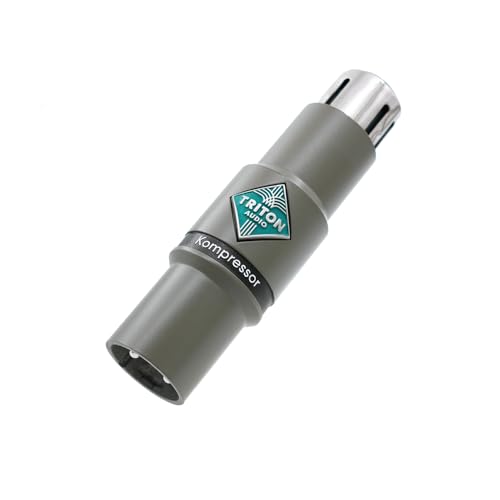
- FET-OPTO compression with 25 dB gain
- Simple one-knob operation
- Blocks phantom power from ribbon mics
Best For: Dynamic and ribbon microphones
Best Rackmount Compressor Value
Behringer Composer Pro-XL MDX2600

- Two-channel compressor, limiter, and gate
- Compact rack-style design
- Suited to production, mixing, and mastering
Best For: Rack-based studio systems
Best Feature-Rich Dual-Channel Compressor
Professional Dual-Channel Audio Compressor

- Dual-channel VCA compression
- Noise gate and sidechain insert
- LED monitoring with XLR/TRS I/O
Best For: Studio, live, and streaming setups
Best Bass Pedal Compressor

- Bass-focused compression voicing
- Compact pedalboard-friendly format
- Output and sensitivity controls
Best For: Bass players and pedalboards
Rackmount Control
ART SCL2 Dual/Stereo Compressor/Limiter Expander/Gate

- Dual-channel or linked stereo operation
- Compression, limiting, expansion, and gating
- Balanced TRS/XLR connections with LED meters
Best For: Rack-based stereo rigs and versatile analog dynamics control
Pedalboard Optics
Universal Audio LA2A Studio Compressor Pedal

- Compact LA-2A-style optical compressor pedal
- Mix control enables parallel compression
- Stock/fast attack switch and true/buffered bypass
Best For: Portable pedalboards and LA-2A-style compression
Blend-Focused Processing
ART Solo VLA Single Channel Compressor

- Selectable tube or solid-state MultiVoice modes
- Variable compressed/uncompressed blend control
- Switchable +4 dBu and -10 dBV level modes
Best For: Single-channel studio compression with tonal flexibility
Pedalboard 1176
Universal Audio 1176 Compressor Limiter Pedal

- 1176LN-style compression in a stompbox
- Single, Dual, and Sustain modes
- Parallel compression and all-buttons-in setting
Best For: Guitarists wanting classic 1176 tones in a pedalboard format
Compact Studio Choice

- Phase 90-sized compressor pedal
- Constant headroom technology
- Ten gain-reduction status LEDs
Best For: Players seeking clear compression with visual monitoring
Rack-Style Classic
Warm Audio WA76 Single Channel Discrete Compressor

- Single-channel discrete compressor
- Custom CineMag USA transformers
- Classic all-buttons-in ratio setting
Best For: Studio users wanting traditional 1176-style hardware
Best Inline Mic Compressor – Triton Audio Kompressor
For singers, podcasters, and engineers who need compact audio compressors at the microphone, the Triton Audio Kompressor combines one-knob compression with up to 25 dB of preamp gain in a compact XLR barrel. It is especially useful with dynamic and ribbon microphones that benefit from added clean gain.
Best For: Low-output dynamic and ribbon microphones, podcasting, and simple source-level dynamics control.
Pros:
- Combines FET-OPTO compression and a 25 dB gain boost.
- Single control provides straightforward compression adjustment.
- Blocks 48V phantom power from reaching a connected ribbon microphone.
Cons:
- Its one-knob design offers less detailed control than a full rack compressor.
- Requires 48V phantom power to operate.
The Kompressor is a practical choice when space and setup simplicity matter. Its direct XLR format keeps the signal chain compact while addressing both gain and peak control at the source.
Best Rackmount Compressor Value – Behringer Composer Pro-XL MDX2600
The Behringer Composer Pro-XL MDX2600 is a practical option for users seeking compact audio compressors in a 1U rack-style format. Its two-channel compressor, limiter, and gate design suits audio production, mixing, and mastering setups.
Best For: Rack-based studio systems needing two channels of compression, limiting, and gating.
Pros:
- Provides two channels in a compact 1U-style chassis.
- Combines compressor, limiter, and gate functions.
- Designed for audio production, mixing, and mastering.
Cons:
- At 4.7 pounds, it is less portable than small desktop or inline units.
- The supplied information does not specify detailed control or connectivity features.
Choose the Composer Pro-XL when you want multiple dynamics-processing functions in a rack-oriented format. Its two-channel layout can help consolidate processing in a studio system.
Best Feature-Rich Dual-Channel Compressor – Professional Dual-Channel Audio Compressor
This 1U rackmount unit is among the more versatile compact audio compressors for studio, live, and streaming use. It offers dual-channel VCA compression, automatic attack and release settings, a noise gate, LED monitoring, and a sidechain insert for more targeted dynamics control.
Best For: Users who need dual-channel processing, visual monitoring, noise gating, and sidechain routing.
Pros:
- Provides two channels with XLR and 1/4-inch TRS connectivity.
- Includes automatic attack/release settings and a built-in noise gate.
- Sidechain insert supports targeted frequency control, while LEDs show gain reduction and thresholds.
Cons:
- Its 1U rackmount size requires dedicated rack or equipment space.
- Requires corded AC power.
With its combination of flexible routing and monitoring features, this compressor is a strong fit for more involved signal chains. It is particularly useful when vocals, low-end instruments, or background noise need separate attention.
Best Bass Pedal Compressor – MXR Dyna Comp Bass Compressor
The MXR Dyna Comp Bass Compressor brings the familiar Dyna Comp approach to bass while aiming to retain low end, dynamics, and transparency. Its compact pedal format and simple output and sensitivity controls make it a convenient choice among compact audio compressors for bass rigs.
Best For: Bass players who want compact pedalboard compression with dedicated output and sensitivity controls.
Pros:
- Retuned to preserve bass low end, dynamics, and transparency.
- Compact 3.63 x 1.5 x 2.25-inch pedal dimensions.
- Provides output and sensitivity controls for volume and sustain adjustment.
Cons:
- Designed for 1/4-inch audio connections rather than XLR microphone sources.
- Offers a focused pedal-style control set rather than full studio compression controls.
The Bass Dyna Comp Mini is a focused solution for players who want familiar compression in a small pedal format. Its bass-specific voicing makes it more appropriate for instrument rigs than general-purpose recording chains.
Rackmount Control – ART SCL2 Dual/Stereo Compressor/Limiter Expander/Gate
The ART SCL2 is a practical choice for users seeking compact audio compressors in a 1U rackmount format. Its dual-channel design supports independent operation or linked stereo processing, while compression, limiting, expansion, and gating cover several common signal-control tasks.
Best For: Rack-based stereo rigs, live sound setups, and users who need versatile analog dynamics processing.
Pros:
- Supports dual-channel or linked stereo operation.
- Offers compression, limiting, expansion, and gating.
- Includes balanced 1/4-inch TRS and XLR inputs, selectable attack/release, and LED level meters.
Cons:
- Its 19-inch rackmount format is less portable than a pedal-style compressor.
- Requires corded electric power.
The SCL2 stands out when flexibility and rack integration matter more than minimum size. Stereo linking, balanced connectivity, and multiple dynamics functions make it a broad-use option for a studio or live rack.
Pedalboard Optics – Universal Audio LA2A Studio Compressor Pedal
The Universal Audio LA2A Studio Compressor Pedal brings a compact stompbox format to the compact audio compressors category. It emulates the Teletronix LA-2A optical tube compressor/limiter and adds a mix control for parallel compression, along with true/buffered bypass and a stock/fast attack switch.
Best For: Guitarists and musicians who want LA-2A-style optical compression in a portable pedalboard format.
Pros:
- Compact 4.75-by-2.58-by-2.29-inch pedal design.
- Provides stock/fast attack selection and a mix control for parallel compression.
- Uses 9V DC power and includes true/buffered bypass options.
Cons:
- Offers a single pedal-format compressor rather than dual-channel processing.
- Its listed connections are 1/4-inch audio and USB-C, without balanced XLR connectivity noted.
This pedal is the most portable option in the group. Its compact enclosure, optical compressor/limiter design, and parallel mix control make it well suited to pedalboards and mobile setups.
Blend-Focused Processing – ART Solo VLA Single Channel Compressor
The ART Solo VLA is a single-channel option for shoppers comparing compact audio compressors for studio signal paths. It combines selectable tube or solid-state MultiVoice operation with an optical isolator design and a variable blend control for balancing compressed and uncompressed signals.
Best For: Studio users who want one-channel compression with tube/solid-state voicing and parallel-style blending.
Pros:
- Provides selectable MultiVoice tube and solid-state operation.
- Includes a variable blend of uncompressed and compressed signals.
- Offers switch-selectable +4 dBu and -10 dBV level modes.
Cons:
- Processes one channel only.
- Its listed dimensions and 7.03-pound weight make it less portable than a compact pedal.
- The supplied notes do not list specific connectors or control details.
The Solo VLA is a focused studio compressor for users who value tonal options and blend control. It is less suited to highly portable setups, but its selectable signal-path character can be useful when shaping a single source.
Pedalboard 1176 – Universal Audio 1176 Compressor Limiter Pedal
The Universal Audio 1176 Compressor Limiter Pedal brings an authentic 1176LN-style compressor into a compact stompbox format. With dedicated dynamics controls, multiple modes, parallel compression, and an all-buttons-in setting, it is a flexible choice among compact audio compressors for guitarists.
Best For: Guitarists seeking classic 1176 compression sounds and expanded pedalboard flexibility.
Pros:
- Authentic emulation of the 1176LN Limiting Amplifier.
- Single, Dual, and Sustain modes cover several classic compression effects.
- Includes parallel compression, true or buffered bypass, and an all-buttons-in ratio mode.
- Compact 4.75-by-2.58-by-2.29-inch pedal format.
Cons:
- Requires a 9-volt DC power source capable of 250 milliamps.
- Its guitar-pedal format may be less suitable for rack-based studio setups.
With its 1176-inspired controls and creative compression modes, this pedal is a strong fit when you want studio-style character in a compact, analog stompbox.
Compact Studio Choice – MXR Studio Compressor
The MXR Studio Compressor packages a classic studio compressor design into a Phase 90-sized pedal. Its constant headroom technology, gain-reduction LEDs, and true bypass make it a practical option for players comparing compact audio compressors for clean, controlled pedalboard performance.
Best For: Musicians who want a straightforward studio-style compressor with visual gain-reduction monitoring.
Pros:
- Compact Phase 90-sized enclosure.
- Constant headroom technology supports clear, clean performance.
- Ten gain-reduction status LEDs provide visual feedback.
- True bypass preserves the signal path when disengaged.
Cons:
- Uses a 9-volt power source and does not list a battery option in the supplied specifications.
- Offers compression only, without the additional modes listed for some competing pedals.
The MXR is a sensible pick for a compact pedalboard when clear operation and easy-to-read gain-reduction feedback matter more than multiple compression voicings.
Rack-Style Classic – Warm Audio WA76 Single Channel Discrete Compressor
The Warm Audio WA76 is a single-channel discrete compressor built around a classic 1176-style design. Custom CineMag USA transformers, a fully discrete signal path, and the famous all-buttons-in ratio setting make it a studio-focused alternative to smaller compact audio compressors.
Best For: Professional audio applications requiring a single-channel, classic-style hardware compressor.
Pros:
- Fully discrete signal path.
- Custom CineMag USA transformers.
- Designed to stay true to the classic ’76 compressor.
- Supports the famous all-buttons-in ratio setting.
Cons:
- At 8.9 pounds, it is substantially less portable than a stompbox compressor.
- Its single-channel design limits processing to one channel at a time.
- Requires a 24-volt DC power supply.
The WA76 favors traditional studio hardware construction and 1176-style behavior over pedalboard convenience, making it the most suitable choice here for dedicated recording setups.
How We Picked These Compact Audio Compressors
We selected products that address distinct compression needs rather than treating every compressor as interchangeable. The lineup includes rackmount dual-channel processors, single-channel studio compressors, microphone preamp-compressor combinations, and instrument pedals. We considered controls, signal-routing options, format, likely use cases, and whether each model offers useful features such as limiting, gating, de-essing, sidechain access, or multiple compression voices.
Because compression is highly application-dependent, the right choice depends on your source and setup. A pedal designed for bass or guitar is not a direct substitute for a rack unit with balanced studio connections, while a microphone-focused preamp may be more useful at the recording input than on a mix bus.
Quick Comparison
| Best For | Look For |
|---|---|
| Microphones and ribbon mics | Clean gain, suitable input impedance, and integrated preamp functionality |
| Studio tracking and mixing | Low-noise operation, precise ratio and threshold controls, and reliable metering |
| Live sound and streaming | Simple setup, accessible controls, gating or de-essing, and dependable protection |
| Bass or guitar pedalboards | Instrument-level connectivity, compact enclosure, and footswitch-friendly operation |
| Stereo or multi-channel processing | Dual channels, stereo linking, and flexible routing |
Key Buying Factors for Compact Audio Compressors
Format and Connections
Choose a pedal for instrument-level signals and convenient foot control, or a rack and desktop processor for studio and live-system integration. Check whether the unit uses balanced XLR or TRS connections, unbalanced instrument jacks, or a combination. A model with the wrong I/O may require adapters or additional equipment.
Compression Controls
Threshold, ratio, attack, release, and makeup gain determine how strongly and musically a compressor responds. Fast attack and release settings can emphasize control and sustain, while slower settings may preserve more punch. Optical, FET, VCA, and multi-voice designs can each produce different response characteristics.
Extra Processing
Look for features that match your signal chain. A limiter can provide peak protection, a gate can reduce unwanted noise, a de-esser can tame vocal sibilance, and a sidechain insert can let you shape detector behavior with an external signal. These features are valuable only if they fit your workflow.
Headroom, Noise, and Metering
For microphones and dynamic sources, adequate gain and headroom are essential. Ribbon microphones especially benefit from a suitable preamp. Clear gain-reduction meters make setup easier, while low-noise circuitry matters when applying substantial compression to quiet recordings.
Who Should Buy Which Compact Audio Compressors?
Choose a microphone preamp-compressor if you need more gain and dynamics control before recording. A single-channel studio compressor suits vocals, bass, guitar, and individual tracks, while a dual-channel or stereo rack processor is better for several sources, stereo buses, and live rigs. Bassists and guitarists should prioritize pedal compatibility and stage-friendly controls. Streaming and live users may benefit most from models that combine compression with gating, limiting, or de-essing. If you are learning compression, choose a unit with clear metering and straightforward controls before prioritizing advanced routing.