The best OLED televisions for gaming combine near-instant pixel response, deep contrast, and sharp 4K detail with the connectivity modern consoles and PCs need. This roundup compares 10 standout models across screen sizes, brands, and gaming-focused features.
Whether you want a compact display for a desk or bedroom, a versatile living-room TV, or a huge screen for immersive play, use the guide below to match specifications with your setup and budget.
Best 10 Oled Televisions for Gaming Picks for 2026
Best for Bright, Fast 4K Gaming

- 4K 144Hz VRR gaming
- NQ4 AI Gen3 upscaling
- 65-inch OLED contrast
Best For: Large-screen gamers seeking bright, smooth performance
Best All-Around Gaming OLED

- 0.1ms response time
- Up to 144Hz with VRR
- Four HDMI 2.1 inputs
Best For: Console and PC gamers wanting versatile performance
Best Compact OLED for PlayStation 5

- 8.5ms listed input lag
- 4K/120, VRR, and ALLM
- PS5-specific picture features
Best For: PS5 players and smaller gaming setups
Best Value 144Hz OLED Gaming TV

- 0.1ms response time
- 144Hz with G-Sync and FreeSync
- Four HDMI 2.1 inputs
Best For: High-refresh-rate gaming at a potentially lower price
Best High-Refresh Gaming OLED

- Up to 144Hz refresh rate and 0.1ms response time
- G-Sync, FreeSync Premium, and VRR support
- Four HDMI 2.1 inputs for multiple devices
Best For: Competitive PC and console gaming in compact spaces
Best Large-Screen High-Refresh OLED
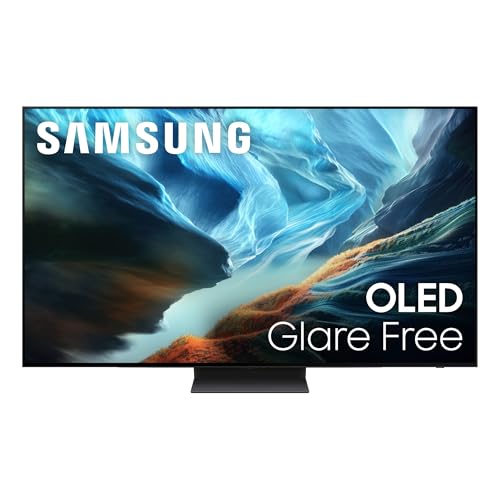
- 55-inch 4K OLED with glare-free matte screen
- 165Hz motion feature with G-SYNC and FreeSync Premium Pro
- AI upscaling and motion enhancement
Best For: Reflective living rooms and large-screen gaming
Large-Screen AI OLED Pick
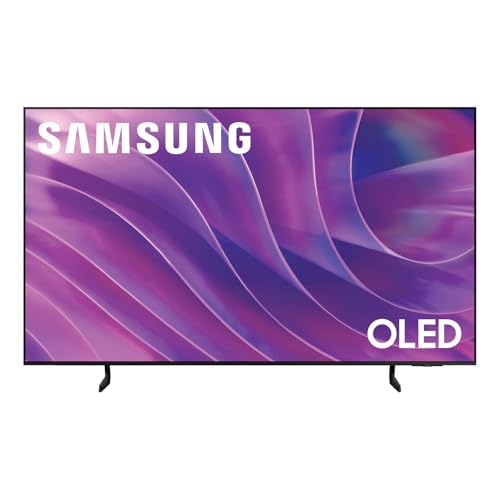
- 77-inch 4K OLED with self-lit contrast
- Motion Xcelerator supports 4K 120Hz
- AI upscaling, OLED HDR, and four HDMI inputs
Best For: Large-room gaming and cinematic viewing
High-Refresh Gaming Choice
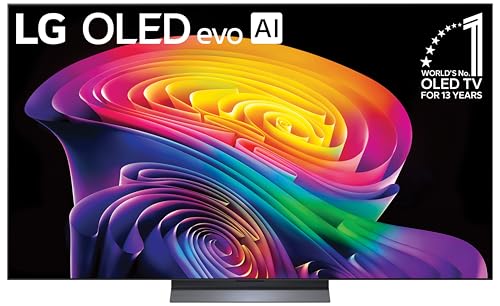
- 165Hz gaming support and 0.1ms response time
- G-Sync, FreeSync Premium, and four HDMI 2.1 ports
- OLED contrast with Dolby Vision and Dolby Atmos
Best For: PC gamers and competitive play
Glare-Free Performance Pick
- Glare Free matte screen and up to 2,000-nit listed brightness
- 165Hz motion support with G-SYNC and FreeSync Premium Pro
- NQ4 AI Gen3 processor with 4K upscaling
Best For: Bright-room gaming and responsive play
Best for Bright, Fast 4K Gaming – Samsung S90F OLED
The Samsung S90F is a strong choice among oled televisions for gaming if you want a large 65-inch screen, vivid OLED contrast, and smooth high-refresh-rate play. Its NQ4 AI Gen3 processor also helps sharpen lower-resolution content and enhance streaming, sports, and games.
Best For: Gamers who want bright 4K visuals, VRR support, and up to 144Hz performance on a large screen.
Pros:
- Supports VRR gaming at up to 4K 144Hz.
- OLED pixels provide deep contrast, while the processor boosts brightness and detail.
- AI upscaling and HDR-like enhancement improve compatible lower-resolution content.
- Four HDMI ports provide flexible connectivity for consoles and other devices.
Cons:
- The supplied specifications list HDR10+ support but do not mention Dolby Vision.
- Its 65-inch size may be excessive for smaller gaming spaces.
The S90F combines OLED contrast with a 144Hz refresh rate and AI-assisted image processing. It is especially appealing for players who want fast, tear-resistant gaming and a TV that can also upscale everyday content.
Best All-Around Gaming OLED – LG C5 OLED evo
The LG C5 OLED evo is built for gamers who want responsive play alongside strong movie and streaming performance. With a 0.1ms response time, up to 144Hz refresh rate, four HDMI 2.1 inputs, and support for major variable-refresh technologies, it is one of the most versatile oled televisions for gaming.
Best For: Console and PC gamers who want responsive gaming controls, broad device support, and Dolby Vision.
Pros:
- Offers a 0.1ms response time and refresh rates up to 144Hz.
- Supports NVIDIA G-Sync, AMD FreeSync Premium, and VRR.
- Four HDMI 2.1 inputs accommodate multiple modern gaming devices.
- Brightness Booster, self-lit pixels, and Dolby Vision support enhance picture quality.
Cons:
- The listed refresh-rate specification also identifies 120Hz, so maximum mode details may depend on the source.
- Its premium feature set may be more than casual gamers need.
The C5 is a well-rounded option for mixed-use rooms. Its gaming dashboard and optimizer keep settings accessible, while the OLED evo panel and Dolby Vision support make it equally suited to cinematic entertainment.
Best Compact OLED for PlayStation 5 – Sony A90K 48-Inch OLED
The 48-inch Sony A90K is a compact pick among oled televisions for gaming, particularly for PlayStation 5 owners. It combines low input lag, HDMI 2.1 gaming features, Sony’s XR processing, and a built-in Acoustic Surface Audio+ system in a smaller screen size.
Best For: PlayStation 5 gamers and smaller rooms where a 48-inch OLED is a better fit than a larger display.
Pros:
- Input lag is listed as low as 8.5ms.
- Supports 4K/120, VRR, and ALLM through HDMI 2.1 features.
- Includes PlayStation 5-specific Auto HDR Tone Mapping and Auto Genre Picture Switch features.
- Acoustic Surface Audio+ and Dolby Atmos support provide immersive sound options.
Cons:
- The 48-inch screen is less suitable for large viewing distances.
- The supplied notes do not list a 144Hz mode.
- It has fewer details about gaming connectivity than newer models in this roundup.
The A90K makes the most sense when space is limited or PlayStation 5 integration is a priority. Its 4K/120 and VRR support cover current console gaming well, while Google TV and strong built-in audio add everyday convenience.
Best Value 144Hz OLED Gaming TV – LG C4 OLED evo
The LG C4 OLED evo delivers a strong gaming feature set in a 65-inch 4K design. Its 0.1ms response time, 144Hz refresh rate, four HDMI 2.1 inputs, and support for G-Sync, FreeSync Premium, and VRR make it a capable choice among oled televisions for gaming.
Best For: Gamers seeking high-refresh-rate performance and a broad set of gaming features from a previous-generation OLED model.
Pros:
- Provides a 0.1ms response time and refresh rates up to 144Hz.
- Supports NVIDIA G-Sync, AMD FreeSync Premium, and VRR.
- Four HDMI 2.1 inputs make it easy to connect multiple devices.
- Includes Dolby Vision, Brightness Booster, and AI picture processing.
Cons:
- It is a 2024 model with the older a9 AI Processor Gen7.
- The large 65-inch screen may not suit compact rooms.
- As an OLED, its self-lit pixel design may be more than needed for basic viewing.
The C4 remains a compelling gaming-focused option when its price is below newer models. It offers the key performance features PC and console players look for, plus a mature smart-TV platform and strong HDR support.
Best Compact PlayStation OLED – Sony A90K 42-Inch OLED TV
The Sony A90K is a strong choice among oled televisions for gaming if you want a compact 42-inch screen with OLED contrast and PlayStation-focused features. Its 120Hz panel, HDMI 2.1 support, VRR, and reported input lag as low as 8.5ms are well suited to responsive console play.
Best For: Gamers seeking a smaller OLED television, especially PlayStation 5 owners.
Pros:
- 42-inch 4K OLED display with deep blacks and lifelike brightness.
- HDMI 2.1 features include 4K/120, VRR, and ALLM.
- PlayStation 5 features include Auto HDR Tone Mapping and Auto Genre Picture Switch.
- Game Menu centralizes gaming settings and assist features.
Cons:
- The 42-inch size may be too small for larger rooms.
- Its listed 120Hz refresh rate is lower than newer high-refresh alternatives.
The A90K combines Sony’s Cognitive Processor XR and XR OLED Contrast Pro with a gaming-friendly feature set. It is particularly compelling for desk setups, bedrooms, and PS5 players who prioritize image processing and compact proportions.
Best High-Refresh Gaming OLED – LG C5 42-Inch OLED evo TV
The LG C5 is built for fast gaming, making it one of the more versatile oled televisions for gaming in a compact size. Its 0.1ms response time, up to 144Hz refresh rate, VRR, and four HDMI 2.1 inputs give console and PC players plenty of connectivity and speed.
Best For: Competitive console and PC gamers who want high refresh rates in a 42-inch format.
Pros:
- 0.1ms response time and up to 144Hz refresh rate support fast gameplay.
- NVIDIA G-Sync, AMD FreeSync Premium, and VRR help reduce tearing.
- Four HDMI 2.1 inputs accommodate multiple gaming devices.
- Game Dashboard and Game Optimizer put gaming controls in one place.
Cons:
- The 42-inch screen may not provide an expansive viewing area for living-room gaming.
- Its broad AI and smart features may be more than needed for a dedicated gaming display.
With OLED self-lit pixels, Dolby Vision, and LG’s gaming tools, the C5 balances image quality and responsiveness. It is a particularly practical pick when you need a small display that can serve both high-speed PC gaming and everyday streaming.
Best Large-Screen High-Refresh OLED – Samsung S90H 55-Inch OLED TV
The 55-inch Samsung S90H is a strong large-screen option among oled televisions for gaming, pairing a glare-free matte finish with AI-enhanced picture processing. Its Motion Xcelerator 165Hz gaming feature and support for NVIDIA G-SYNC or AMD FreeSync Premium Pro target smooth, responsive play.
Best For: Living-room gamers who want a larger screen, reduced reflections, and high-refresh gaming features.
Pros:
- 55-inch 4K OLED display with OLED HDR+ and a glare-free finish.
- Motion Xcelerator 165Hz is designed for smooth gaming motion.
- NVIDIA G-SYNC and AMD FreeSync Premium Pro support help target tear-free gameplay.
- NQ4 AI Gen3 processing enhances upscaling and motion handling.
Cons:
- The listed display refresh rate is 120Hz, despite the 165Hz motion-enhancement feature.
- HDR support is listed as HDR10+, without Dolby Vision specified in the supplied details.
The S90H stands out for gamers who want a roomier 55-inch presentation and a matte screen designed to limit distracting reflections. Its Tizen platform, AI upscaling, and gaming synchronization features also make it suitable for mixed entertainment use.
Large-Screen AI OLED Pick – Samsung 77-Inch S84F OLED
For shoppers seeking OLED televisions for gaming with a large, immersive screen, the 77-inch Samsung S84F combines self-lit OLED contrast with 4K upscaling and Motion Xcelerator 120Hz. Its AI processing and OLED HDR also make it a practical choice for mixed gaming, sports, and streaming use.
Best For: Gamers and movie fans who want a spacious 77-inch OLED with smooth 4K/120Hz motion.
Pros:
- 77-inch 4K OLED display with self-illuminating pixels for strong contrast.
- Motion Xcelerator supports smooth visuals up to 4K 120Hz.
- NQ4 AI Gen2 processing provides AI-enhanced 4K upscaling and sound optimization.
- Includes four HDMI ports and Samsung TV Plus access to free channels.
Cons:
- Its large footprint may not suit smaller gaming rooms.
- The listed 120Hz gaming specification is lower than newer 165Hz alternatives.
The S84F is a strong big-screen option when cinematic scale matters as much as gaming smoothness. It is especially appealing for console players who want OLED contrast and 4K/120Hz performance without stepping down to a smaller display.
High-Refresh Gaming Choice – LG 65-Inch OLED evo C6
The LG OLED evo C6 is one of the more gaming-focused OLED televisions for gaming in this lineup, pairing a 0.1ms response time with a 165Hz refresh capability for PC play. Four HDMI 2.1 inputs, VRR support, and OLED contrast make it flexible for both consoles and gaming PCs.
Best For: Competitive players and PC gamers who prioritize low response time, high refresh rates, and broad variable-refresh support.
Pros:
- 165Hz gaming capability with a listed 0.1ms response time.
- Supports NVIDIA G-Sync and AMD FreeSync Premium.
- Four HDMI 2.1 inputs support native 120Hz and VRR up to 165Hz for PC gaming.
- OLED self-lit pixels, Dolby Vision, and Dolby Atmos support enhance games and media.
Cons:
- At 65 inches, it offers less screen area than the 77-inch alternative.
- The supplied details list a 120Hz display refresh rate while separately identifying 165Hz gaming support, so buyers should verify the desired input and mode requirements.
With unusually strong connectivity and high-refresh gaming features, the C6 is the most versatile pick here for a mixed console-and-PC setup. Its 65-inch size is easier to place than a larger panel while retaining OLED’s contrast advantages.
Glare-Free Performance Pick – Samsung 65-Inch S90H OLED
For bright rooms and fast-paced play, the Samsung S90H stands out among OLED televisions for gaming with a matte finish, Glare Free technology, and a listed peak brightness of up to 2,000 nits. Its 165Hz Motion Xcelerator mode and support for G-SYNC or FreeSync Premium Pro target smooth, responsive gameplay.
Best For: Gamers who play in rooms with reflections and want high-refresh motion with tear-reduction features.
Pros:
- Glare Free matte screen helps reduce distracting reflections.
- Motion Xcelerator 165Hz supports smooth, low-latency gaming.
- Works with NVIDIA G-SYNC and AMD FreeSync Premium Pro.
- NQ4 AI Gen3 processing provides 4K upscaling and AI-enhanced picture and sound.
Cons:
- The listed display refresh rate is 120Hz despite the separate 165Hz motion-enhancement specification.
- Only HDR10+ is specifically listed among the supported HDR formats.
The S90H is a compelling choice when room lighting and fast gameplay are major concerns. Its matte finish and gaming feature set make it particularly practical for daytime play, while AI upscaling helps lower-resolution content look sharper.
How We Picked the Best Oled Televisions for Gaming
We focused on OLED models that offer the core features gamers need: 4K resolution, low input lag, fast response times, high refresh rates, and gaming-friendly HDMI connectivity. We also considered screen sizes, smart-TV platforms, image-processing features, HDR support, and the practical differences between current and previous model years.
The selection includes LG, Samsung, and Sony televisions ranging from compact 42- and 48-inch options to a 77-inch model. Because specifications and availability can vary by model year and region, verify the retailer’s listing for exact HDMI bandwidth, refresh-rate support, VRR formats, and included accessories before purchasing.
Quick Comparison
- Best all-around choices: The LG C5, LG C6, and Samsung S90F offer a strong balance of OLED picture quality, gaming performance, smart features, and size options.
- Best for competitive gaming: Look for a high refresh rate, very low input lag, VRR, and a suitable 42- or 48-inch screen that fits close viewing distances.
- Best for large rooms: The 77-inch Samsung S84F provides a more cinematic presentation, provided your seating distance and budget support it.
- Best for compact spaces: The 42-inch LG C5 and Sony A90K models suit desks, bedrooms, and smaller gaming areas.
- Best for cinematic viewing: Sony’s processing can appeal to buyers who prioritize movies and natural image presentation alongside gaming.
Key Buying Factors for Oled Televisions for Gaming
Refresh Rate and VRR
A 120Hz or higher panel can make compatible console and PC games look smoother than a standard 60Hz display. Variable refresh rate technologies help reduce tearing and stutter when frame rates fluctuate. PC gamers should check whether the TV supports the refresh rates and VRR standards their graphics card can deliver.
HDMI Ports and Console Compatibility
Count the devices you plan to connect, such as a PlayStation 5, Xbox Series X, gaming PC, soundbar, or streaming player. Confirm that enough ports support the bandwidth needed for 4K gaming at the desired refresh rate. Features such as ALLM can automatically switch the TV into a lower-latency gaming mode.
HDR, Brightness, and Room Lighting
OLED televisions deliver excellent black levels and contrast, but peak brightness varies. A brighter model may be preferable in a sunlit room, while any of these displays can look especially impressive in a dim environment. HDR performance also depends on game support and correct picture settings.
Burn-In and Long-Term Use
OLED panels can be susceptible to image retention when static elements remain on screen for extended periods. Built-in pixel-shifting, compensation cycles, and varied content can reduce risk. If you plan to display the same game HUD or desktop interface for many hours every day, review the manufacturer’s warranty and usage guidance.
Who Should Buy Which Oled Televisions for Gaming?
Choose a 42- or 48-inch model for a desk or close seating position, a 55- or 65-inch set for a typical living room, and a 77-inch model when immersion and viewing distance matter most. Pick LG if gaming controls, broad console support, and a familiar gaming interface are priorities. Samsung is a strong fit for buyers seeking vivid presentation, advanced processing, and high-refresh-rate gaming features. Sony is worth considering when refined movie performance and Google TV are as important as gaming. Finally, compare current pricing carefully: a previous-generation model can be an excellent value when its ports, refresh rate, and HDR capabilities meet your needs.