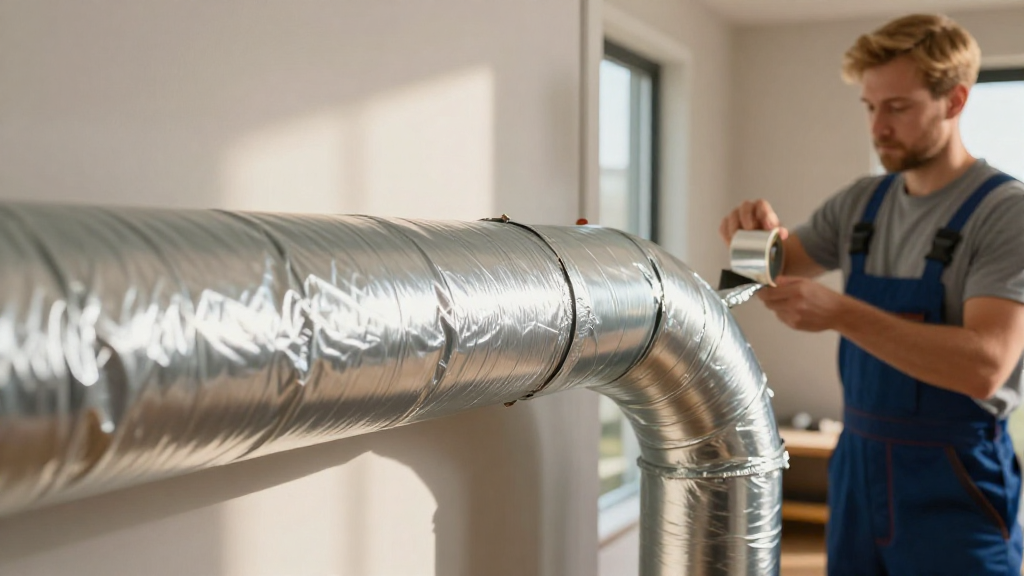
Are you looking for ways to improve your HVAC system efficiency? Understanding how to insulate HVAC ducts properly is essential to achieving optimal performance and comfort in your home or office.
Why Should You Insulate HVAC Ducts?
Insulating your HVAC ducts has several benefits that can enhance both your comfort and energy efficiency.
-
Energy Savings: Insulated ducts prevent heat loss in the winter and heat gain in the summer, ensuring that your system doesn’t have to work overtime.
-
Improved Comfort: Proper insulation keeps the air in your ducts at its intended temperature, leading to more consistent heating and cooling.
-
Condensation Control: Insulating your ducts can help minimize condensation on duct surfaces, reducing the risk of mold and mildew.
-
Noise Reduction: Insulated ducts can also help dampen sound, creating a quieter indoor environment.
So, how do you achieve these benefits? Let’s explore the steps to properly insulate your HVAC ducts.
What Materials Should You Use for Insulating HVAC Ducts?
When considering how to insulate HVAC ducts, selecting the right materials is critical.
Here’s a list of commonly used insulation materials:
-
Fiberglass Insulation:
– Widely used for HVAC duct insulation.
– Comes in batts or rolls and is relatively easy to install. -
Foam Board Insulation:
– Rigid panels that provide excellent thermal resistance.
– Ideal for use in areas where space is limited. -
Reflective or Radiant Barrier:
– Usually made from a reflective material that reflects heat rather than absorbing it.
– Best suited for hot climates. -
Spray Foam Insulation:
– Expands to fill gaps and requires professional installation.
– Offers superior air sealing and insulation.
Choosing the right insulation type depends on various factors, including your climate, duct location, and budget.
How Do You Prepare HVAC Ducts for Insulation?
Before you insulate your HVAC ducts, it’s important to prepare them properly. Follow these steps to get started:
-
Inspect the Ductwork:
– Look for any visible leaks, loose fittings, or damages.
– Repair any damages, as air leaks can significantly impact efficiency. -
Clean the Ducts:
– Make sure the ducts are free of dust and debris.
– Use a vacuum and a damp cloth to clean where necessary. -
Seal Duct Joints:
– Use mastic sealant or foil tape to seal joints and seams to prevent air leaks.
How to Insulate HVAC Ducts: Step-by-Step Process
Now that you have prepared your HVAC ducts, it’s time to insulate them. Here’s a simple guide on how to insulate HVAC ducts effectively:
Step 1: Measure Your Ducts
- Measure the length and diameter of each duct.
- This information will help you purchase the right amount of insulation material.
Step 2: Cut the Insulation Material
- Cut the insulation to fit the measurements taken in the previous step.
- Leave room to overlap the edges slightly to ensure complete coverage.
Step 3: Apply the Insulation
- Wrap the insulation material around the ducts:
- For fiberglass batts, press them firmly against the ducts.
- For foam board, use adhesive to hold it in place.
- For spray foam, apply it evenly along the exterior of the ducts.
Step 4: Secure the Insulation
- Use duct tape or insulation tape to secure the ends of the insulation in place.
- Make sure there are no gaps or loose spots, as this can compromise your insulation’s effectiveness.
Step 5: Final Inspection
- Inspect your work to ensure everything is secured properly.
- Look for any exposed areas that might need additional insulation or sealing.
Where Should You Insulate HVAC Ducts?
Understanding where to insulate HVAC ducts is just as crucial as knowing how to do it.
-
In Conditioned Spaces: Ducts located within the living space (like basements and attics) should be thoroughly insulated to prevent energy loss.
-
In Unconditioned Spaces: Ducts running through garages or attics should definitely be insulated to maintain the required air temperature.
-
Ducts Passing Through Walls: Any ducts that go through walls should also be insulated to minimize heat loss.
How Often Should You Check and Maintain Insulated Ducts?
Regular maintenance is necessary to ensure your HVAC ducts remain effective. Here are some tips on how to insulate HVAC ducts in terms of ongoing maintenance:
-
Inspect Annually: Check the ducts at least once a year for signs of wear and tear.
-
Look for Condensation: If you notice condensation forming, it may indicate an issue with insulation, and it may need to be repaired or replaced.
-
Clean Ducts Regularly: Schedule a deep cleaning every few years to keep your duct system free of debris and allergens.
Can You DIY Insulate Your HVAC Ducts?
One common question is whether you can DIY your duct insulation.
- Yes, you can!
-
However, it’s important to have a basic toolbox and an understanding of your duct system.
-
Consider Hiring Professionals if:
- You’re unfamiliar with ductwork or insulation materials.
- You have a complex or extensive setup.
Conclusion: The Importance of Properly Insulating HVAC Ducts
Knowing how to insulate HVAC ducts properly can save you both time and money in the long run. You benefit from increased energy efficiency, comfort, and a healthier indoor environment.
By following the steps outlined in this article, you can achieve optimal performance from your HVAC system.
Remember, proper insulation is not just an add-on; it’s an essential part of maintaining a comfortable and energy-efficient home.
Incorporating these practices will not just cost-effectively manage your comfort levels, but it will also ensure a healthier living space for you and your family. Don’t neglect your HVAC ducts—insulate them!