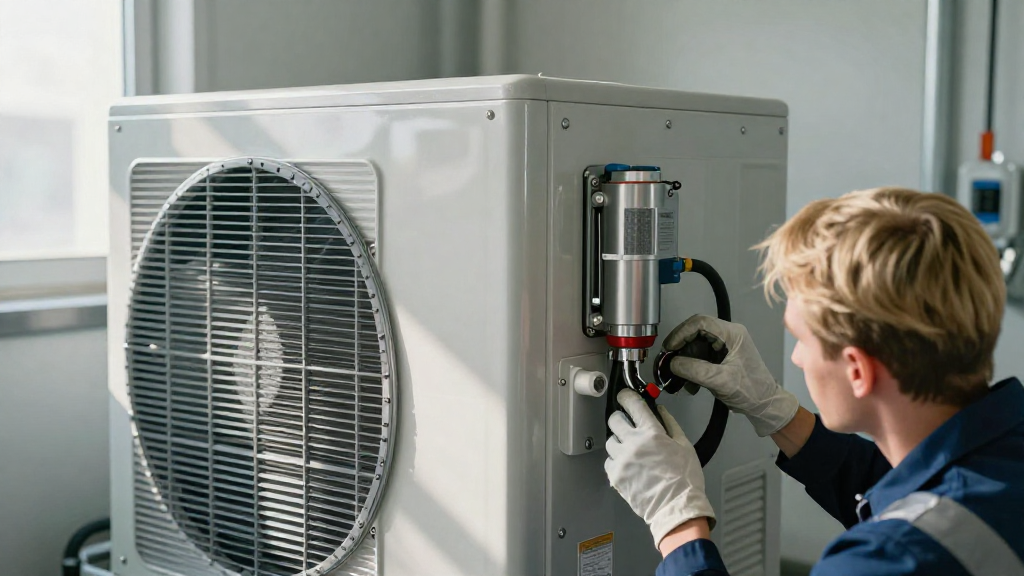
Maintaining an air handler is essential to keep your HVAC system running smoothly and efficiently.
In this article, we will explore effective strategies and tips for how to maintain an air handler to ensure optimal performance.
Why Is It Important to Know How to Maintain an Air Handler?
An air handler is a critical component of your heating, ventilation, and air conditioning (HVAC) system.
By understanding how to maintain an air handler, you can:
- Enhance Efficiency: Properly maintained air handlers operate more efficiently, leading to energy savings.
- Extend Lifespan: Routine care can prolong the life of your air handler, saving you money on premature replacements.
- Improve Indoor Air Quality: A well-maintained air handler can help reduce dust, allergens, and other pollutants in your home.
- Reduce Repair Costs: Regular maintenance can identify potential issues early, preventing costly repairs.
What Are the Key Components of an Air Handler?
To effectively maintain your air handler, it’s essential to understand its components:
- Blower: Circulates air through the HVAC system.
- Coils: Transfer heat to and from the air. You’ll find evaporator and condenser coils.
- Filters: Capture dust and debris from the air before it circulates through your home.
- Dampers: Control the airflow within the air handler.
- Drain Pan and Drain Line: Direct moisture away from the system to prevent water damage.
Understanding these components will help you target your maintenance efforts effectively.
What Steps Should You Follow to Maintain an Air Handler?
Now that you know the importance and components of an air handler, let’s dive into practical steps on how to maintain an air handler effectively.
1. Change or Clean the Air Filter Regularly
Frequency: Every 1 to 3 months.
Why: Dirty filters restrict airflow, causing energy inefficiency and reducing air quality.
Steps:
- Turn off the HVAC system before replacing or cleaning the filter.
- Locate the filter compartment, typically found near the blower.
- Remove the old filter and replace it with a new one or clean it if reusable.
- Ensure the new or cleaned filter is correctly installed in the right direction.
2. Inspect and Clean the Coils
Frequency: At least once a year.
Why: Dust and grime can accumulate on the coils, significantly reducing efficiency.
Steps:
- Turn off the air handler and allow it to cool.
- For access, remove the panel surrounding the coils.
- Use a soft brush or vacuum cleaner to remove dust.
- If the coils are particularly dirty, use a coil cleaner spray and follow the manufacturer’s instructions for rinsing.
3. Check and Clear the Drain Line
Frequency: Monthly checks recommended.
Why: A clogged drain line can cause water damage and system failure.
Steps:
- Look for a small pipe exiting the home, usually near the air handler.
- Check for blockages; if there is standing water, it needs to be cleared.
- Use a wet-dry vacuum to eliminate any clogs.
- Flush the line with a mix of vinegar and water monthly to prevent buildup.
4. Inspect the Blower Motor
Frequency: Annually.
Why: The blower motor plays a vital role in air circulation. A malfunctioning motor can lead to uneven temperatures and increased energy consumption.
Steps:
- Disconnect power to the air handler.
- Remove any protective covering and check the motor for dust buildup.
- If necessary, clean the motor with compressed air.
- Check the motor’s bearings; if audible noises or vibrations are present, lubrication may be needed.
5. Evaluate the Insulation
Frequency: Inspect annually.
Why: Proper insulation helps maintain the desired temperature and prevents energy loss.
Steps:
- Inspect the insulation around air ducts connected to the air handler.
- Look for any signs of moisture or wear and tear.
- Replace or add insulation where needed to ensure airtight seals.
6. Schedule Professional Maintenance
Frequency: At least once a year.
Why: Professional technicians can identify issues that may go unnoticed during routine checks.
Steps:
- Look for a qualified HVAC technician with good reviews.
- Schedule an annual inspection that includes checks on refrigerant levels, electrical connections, and overall system performance.
- Don’t hesitate to ask questions about your system’s condition and any areas needing attention.
What Are Common Signs You Need to Maintain Your Air Handler?
Recognizing early warning signs can help you effectively maintain your air handler and prevent problems.
Look out for:
- Increased Energy Bills: If your energy expenses spike unexpectedly, it may indicate your air handler isn’t running efficiently.
- Weak Airflow: Reduced airflow or inconsistent temperatures can signify a clogged filter or issues with the blower.
- Strange Noises: Unusual sounds such as grinding, squeaking, or rattling indicate something may be wrong and needs immediate attention.
- Water Leaks: Excess moisture around the unit can signify a blocked drain line or issues with coils.
How Can You Maximize the Efficiency of Your Air Handler?
Beyond routine maintenance, consider these additional tips:
- Use a Programmable Thermostat: This allows you to optimize energy usage, reducing strain on the air handler.
- Seal Ductwork: Ensure that ducts are properly sealed to prevent loss of conditioned air.
- Keep Vents Clear: Ensure no furniture or decor obstructs air vents to maintain proper airflow.
Conclusion
Learning how to maintain an air handler is an essential skill for homeowners who want to ensure their HVAC systems operate efficiently.
By following these steps, you enhance the longevity of your air handler while improving overall energy efficiency.
From changing the air filters regularly to scheduling annual professional maintenance, these actions can ultimately save you money and provide a more comfortable home environment.
Investing time and effort into proper maintenance will pay off in the long run, making your air handler work like new for many years to come.